Adaptive fitness combines innovative assistive technologies and inclusive coaching to help you reach your sports and training goals. Devices like prosthetics and specialized equipment break down barriers, while coaches tailor programs to your unique abilities. This approach boosts confidence, promotes physical and mental strength, and creates a supportive environment. By focusing on your capabilities, adaptive fitness shows that obstacles can be overcome. If you want to discover more about empowering your athletic journey, there’s much more to explore.

Get workout gear delivered free — and shop member deals
- Fast, free delivery on millions of items
- Access to Prime Big Deal Days deals on October 6–7
- Prime Video, Amazon Music and more included
Key Takeaways
- Assistive technology like prosthetics and specialized equipment enables full participation in adaptive training and sports.
- Inclusive coaching tailored to individual abilities fosters confidence and ensures effective, personalized training.
- Customization of assistive devices and training plans helps athletes safely push limits and achieve fitness goals.
- Adaptive fitness promotes physical strength and mental resilience through supportive, accessible, and engaging environments.
- Combining assistive tech and inclusive coaching broadens participation, inspiring athletes to overcome barriers and excel.
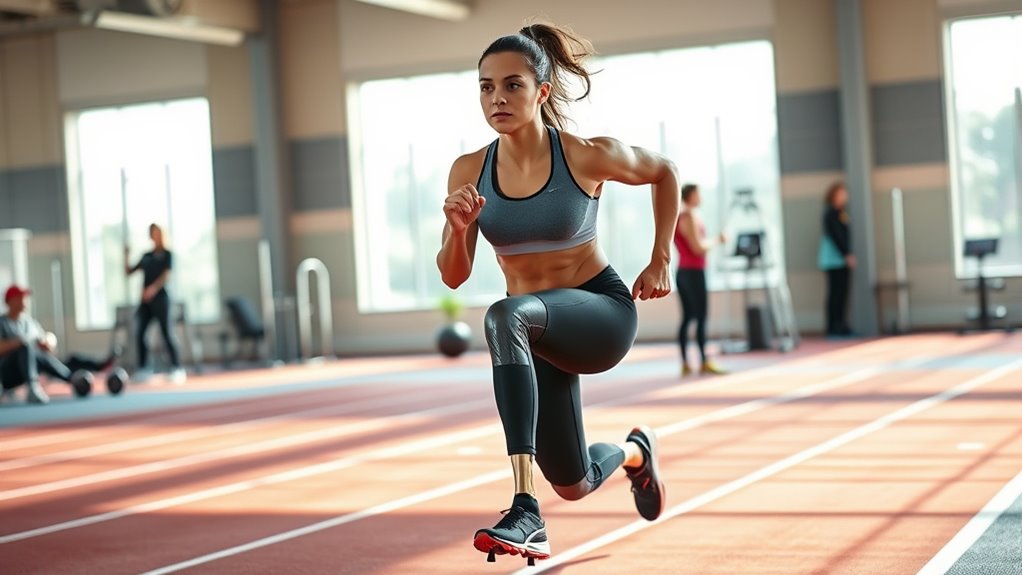
Have you ever wondered how some people stay fit despite constantly changing circumstances? It’s often because they leverage tools and support systems designed to meet their unique needs. When it comes to adaptive fitness, assistive technology plays a vital role. Devices like prosthetic limbs, wheelchairs adapted for sports, and specialized equipment allow athletes with disabilities to participate fully in training and competition. These tools aren’t just about mobility; they’re about empowerment. They help break down barriers, making it easier to perform exercises, engage in sports, and reach personal goals. But technology alone isn’t enough. The key to success lies in inclusive coaching, which emphasizes understanding, flexibility, and tailored instruction. Inclusive coaches recognize that every athlete’s body and abilities are different, so they adapt their methods accordingly. They learn to modify drills, suggest alternative movements, and use assistive technology effectively, guaranteeing that no athlete feels left out or overwhelmed.
Assistive technology and inclusive coaching empower athletes with disabilities to overcome barriers and achieve their fitness goals.
When you work with inclusive coaching, you’re encouraged to focus on what you can do rather than what you can’t. Coaches help you find ways to incorporate assistive technology seamlessly into your routines, making training sessions more effective and enjoyable. They create an environment where everyone feels valued and motivated, regardless of physical limitations. This approach doesn’t just improve performance; it boosts confidence and fosters a sense of community. You start to see your disabilities not as barriers but as unique aspects of your athletic journey.
In adaptive sports, assistive technology is often customized to match the athlete’s specific needs, whether it’s a specialized racing wheelchair or a modified rowing machine. These innovations open up new possibilities, allowing you to push your limits safely and confidently. Inclusive coaching ensures that your training plan is as personalized as your equipment, focusing on your strengths and working around challenges. It’s about building a partnership between you and your coach, rooted in trust and understanding. As a result, you gain not only physical strength but also mental resilience. You learn that with the right tools and support, you can overcome obstacles and enjoy the thrill of competition.
Ultimately, adaptive fitness is about breaking down barriers through a combination of assistive technology and inclusive coaching. It’s about creating a space where everyone, regardless of ability, can pursue their athletic dreams. By embracing these approaches, you’re not just training your body—you’re redefining what’s possible for yourself and inspiring others along the way.
adaptive sports prosthetic limbs
As an affiliate, we earn on qualifying purchases.
As an affiliate, we earn on qualifying purchases.
Frequently Asked Questions
How Do Adaptive Sports Programs Accommodate Different Disabilities?
You’ll find that adaptive sports programs embrace inclusive strategies and adaptive modifications to accommodate different disabilities. They tailor equipment, rules, and environments to meet individual needs, ensuring everyone can participate safely and comfortably. By adjusting activities and providing specialized support, these programs create an inclusive space where athletes with diverse disabilities can train, compete, and thrive, fostering a sense of achievement and community for all participants.
What Specialized Equipment Is Used in Adaptive Athletic Training?
You use specialized equipment like wheelchair-accessible sports chairs and prosthetic technology tailored to your needs. Wheelchair access guarantees you can participate comfortably in activities, while advanced prosthetics improve mobility and performance. Adaptive sports gear is designed to accommodate various disabilities, providing stability and support. This equipment helps you train effectively, compete confidently, and enjoy sports to the fullest, making your athletic experience inclusive and empowering.
How Can Coaches Ensure Safety During Adaptive Fitness Sessions?
Ever wondered how to keep adaptive fitness sessions safe? You should always follow emergency protocols and guarantee equipment is well-maintained. Regularly inspect gear for damage, and have a clear plan for emergencies. Communicate safety procedures clearly to your athletes, and tailor activities to their abilities. By staying vigilant and prepared, you create a secure environment where athletes can train confidently and safely.
Are There Any Specific Nutritional Considerations for Adaptive Athletes?
You should focus on tailored dietary planning to meet each adaptive athlete’s unique needs. Incorporate nutritional supplements if necessary to address specific deficiencies or enhance performance. Guarantee their diet includes adequate protein, carbs, and healthy fats, considering any medical conditions or mobility limitations. Regularly consult with a sports nutritionist to adjust plans as their training intensity or goals evolve, helping them stay energized and prevent nutritional deficits.
How Can Adaptive Sports Improve Mental Health and Community Integration?
Adaptive sports boost your mental health and community integration by providing peer support and opportunities to build confidence. As you participate, you’ll connect with others who share similar experiences, reducing feelings of isolation. Engaging in these activities helps you develop a sense of belonging, enhances self-esteem, and promotes emotional well-being. Through teamwork and shared goals, you can strengthen social bonds, making your journey both empowering and inclusive.
As an affiliate, we earn on qualifying purchases.
Conclusion
Just like a river flowing around obstacles, adaptive fitness shows that with determination and the right support, you can overcome any challenge. Embracing training and sports for athletes with disabilities isn’t just about breaking barriers—it’s about redefining what’s possible. Your journey might be unique, but your resilience is universal. Keep pushing forward, stay inspired, and remember: every step you take is a victory, turning challenges into opportunities for growth and achievement.
adaptive training assistive technology
As an affiliate, we earn on qualifying purchases.
As an affiliate, we earn on qualifying purchases.
inclusive coaching fitness tools
As an affiliate, we earn on qualifying purchases.
As an affiliate, we earn on qualifying purchases.
Fall Picks
fall essentials
As an affiliate, we earn on qualifying purchases.