If you suffer from chronic back pain, spinal stiffness, or herniated discs, an inversion table might be especially helpful for you. It’s great if you spend long hours sitting or have limited mobility. Athletes recovering from injury and those seeking natural spinal decompression also benefit. Just remember, it’s important to start slowly and consult a healthcare professional. Keep exploring to discover how an inversion table can fit into your wellness routine.

Get workout gear delivered free — and shop member deals
- Fast, free delivery on millions of items
- Access to Prime Big Deal Days deals on October 6–7
- Prime Video, Amazon Music and more included
Key Takeaways
- Individuals with chronic back pain and spinal stiffness seeking natural relief
- Sedentary workers or those with long desk hours needing spinal decompression
- Athletes or injury recovery patients aiming to improve flexibility and support healing
- People experiencing sciatic nerve discomfort or herniated discs
- Those interested in holistic wellness and circulatory improvement practices
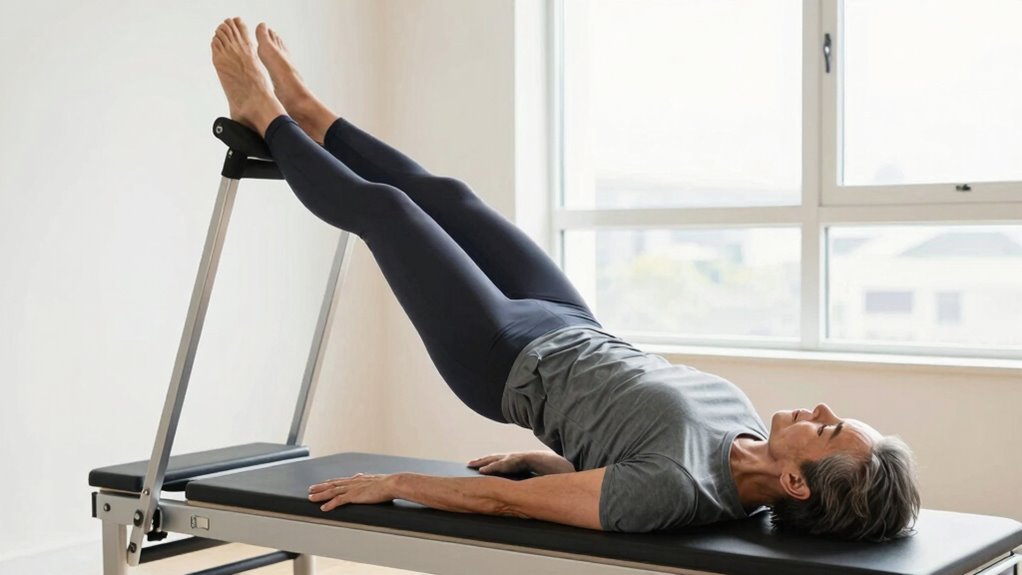
Have you ever wondered if an inversion table could help with your back pain or improve your overall spinal health? If so, you’re not alone. Many people turn to inversion therapy for relief, especially when traditional treatments fall short. Inversion tables work by inverting your body, which can offer targeted benefits like spinal decompression and improved circulatory health. If you’re dealing with chronic back pain, herniated discs, or spinal stiffness, inversion therapy might be worth considering.
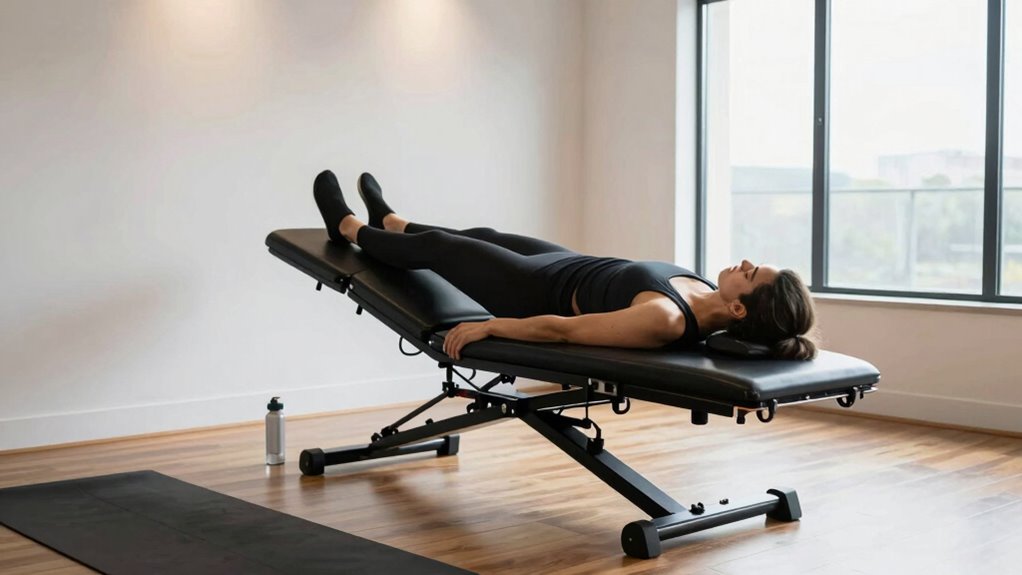
Spinal decompression is one of the primary reasons people use inversion tables. When you invert, gravity helps to gently stretch your spine, reducing pressure on the discs and nerve roots. This can relieve pain caused by compressed discs or pinched nerves, giving your spine a chance to decompress naturally. If you experience frequent sciatica or lower back pain, inversion therapy could help ease the discomfort by creating space between vertebrae and promoting nutrient flow to spinal tissues. Regular use may improve spinal alignment and flexibility, making everyday movements less painful and more fluid.
Inversion tables help decompress the spine, easing pain and improving flexibility by reducing pressure on discs and nerves.
Circulatory health is another key benefit. When you’re inverted, blood flow shifts, encouraging circulation throughout your body. This can help reduce swelling, promote healing, and improve oxygen delivery to tissues. Improved circulation also supports the removal of metabolic waste, which can be particularly beneficial if you suffer from poor circulation or conditions like varicose veins. Enhanced blood flow might also contribute to better overall energy levels and quicker recovery from injuries. Additionally, understanding the environmental impact of tissue paper can inspire more eco-conscious choices in your wellness routine, such as opting for sustainable craft materials. Being aware of regional health practices like those in Saratoga Springs or Salem can also give you insights into holistic approaches to health and wellness.
However, inversion therapy isn’t suitable for everyone. If you have high blood pressure, glaucoma, or cardiovascular issues, you should consult your doctor before trying an inversion table. Pregnant women and individuals with certain medical conditions should avoid inversion therapy altogether. It’s also important to start slowly, gradually increasing the duration and angle of inversion to allow your body to adapt safely.
If you’re someone who spends long hours sitting at a desk or has a sedentary lifestyle, inversion tables can offer a refreshing way to relieve tension and stretch your spine. Athletes and those recovering from injury might also find inversion therapy beneficial for maintaining flexibility and accelerating healing. Still, it’s always best to discuss your specific health concerns with a healthcare professional to determine if inversion therapy is right for you.
In the end, if you’re looking for a non-invasive way to promote spinal decompression and boost circulatory health, an inversion table might be a helpful addition to your wellness routine. Just remember to use it responsibly and listen to your body’s signals.
inversion table for back pain relief
As an affiliate, we earn on qualifying purchases.
As an affiliate, we earn on qualifying purchases.
Frequently Asked Questions
Are Inversion Tables Suitable for Pregnant Women?
Inversion tables are generally not suitable for pregnant women due to pregnancy restrictions and safety concerns. You should avoid using an inversion table during pregnancy, especially in the later stages, as it could put pressure on your abdomen or cause discomfort. Always consult your healthcare provider before attempting inversion exercises while pregnant to guarantee safety for both you and your baby.
Can Children Safely Use Inversion Tables?
Think of inversion tables as a powerful tool, but not a playground for kids. You should know that children generally shouldn’t use them due to safety concerns. Child safety is paramount, and age restrictions are in place because young bodies are still developing. Always consult a healthcare professional before considering inversion therapy for children, and never let them use an inversion table unsupervised to prevent accidents or injury.
How Long Should I Invert During Each Session?
You should start with an inversion duration of about 1 to 2 minutes per session, gradually increasing as your body adjusts. Most people find that 5 to 10 minutes per session is effective, but don’t overdo it—listen to your body. Maintain a consistent session frequency, like 3 to 4 times weekly, to see benefits without risking strain. Always consult a professional if you’re unsure about your limits.
Are Inversion Tables Effective for Chronic Back Pain?
Think of your spine as a tense bow, and inversion tables as gentle hands easing the string. Yes, inversion tables can be effective for chronic back pain by promoting vertebral decompression and improving spinal alignment. By reversing gravity’s pull, you help relieve pressure on compressed discs and nerves. Regular use may reduce pain, enhance mobility, and support long-term spinal health, making inversion a promising option for ongoing back discomfort.
What Are the Risks of Using an Inversion Table?
Using an inversion table can pose risks like increased blood pressure, dizziness, or headaches, especially if you have heart issues or hypertension. While it’s an alternative therapy for back pain, you should always follow safety precautions, such as consulting your doctor first. Be cautious and listen to your body; avoid inversion if you experience discomfort. Proper use minimizes risks and helps you safely enjoy potential benefits.
spinal decompression inversion table
As an affiliate, we earn on qualifying purchases.
As an affiliate, we earn on qualifying purchases.
Conclusion
If you’re dealing with back pain or poor circulation, an inversion table could be a game-changer for you. Some worry it’s unsafe, but when used correctly and under guidance, it’s a safe way to ease discomfort and improve your spine health. Don’t let fear hold you back—start slow, listen to your body, and see if inversion therapy can help you feel better. Your back might thank you!
inversion table for sciatic nerve pain
As an affiliate, we earn on qualifying purchases.
As an affiliate, we earn on qualifying purchases.
adjustable inversion therapy table
As an affiliate, we earn on qualifying purchases.
As an affiliate, we earn on qualifying purchases.
Fall Picks
fall essentials
As an affiliate, we earn on qualifying purchases.