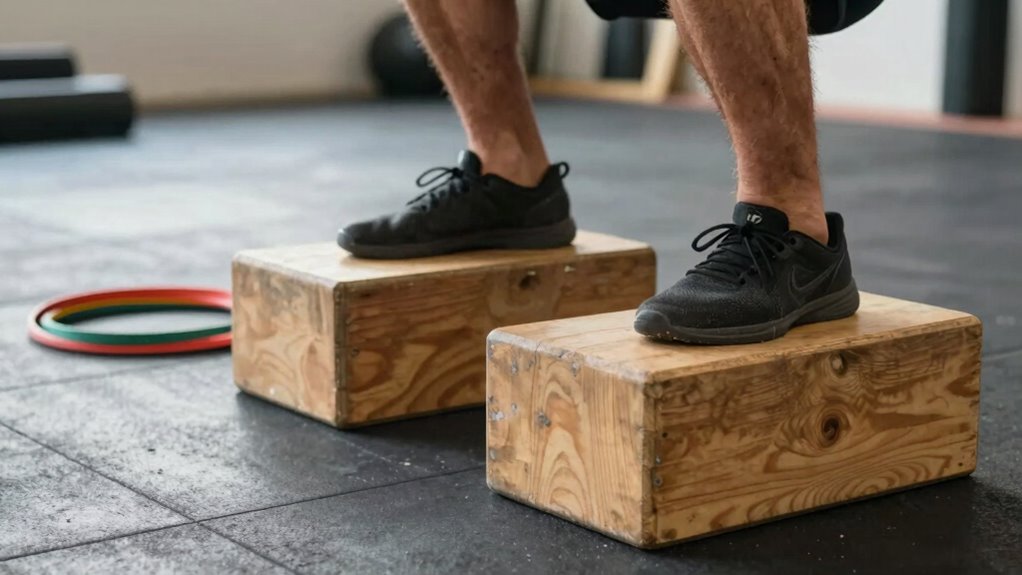

To use training blocks for better long-term progress, plan your sessions with systematic variation in intensity and volume, incorporating phases like buildup, peak, and recovery. Focus on managing workload to prevent burnout, include recovery techniques such as active rest and proper nutrition, and track your progress regularly. This strategic approach guarantees consistent gains while preventing stagnation. Keep exploring methods to optimize your training, and you’ll discover how to make each phase count.
Key Takeaways
- Plan training phases with varying intensity and volume to promote continuous adaptation and prevent plateaus.
- Incorporate recovery techniques like active rest, stretching, and proper nutrition to enhance long-term progress.
- Set specific goals for each training block to monitor progress and make necessary adjustments.
- Use systematic variation and cyclical patterns to keep training engaging and avoid stagnation.
- Balance work and rest periods strategically to optimize recovery and sustain consistent improvements over time.

To achieve consistent progress in your training, breaking your program into focused, dedicated blocks can make a significant difference. This approach, known as using training blocks, helps you manage your workload effectively, prevent burnout, and optimize gains over the long term. A key aspect of designing these blocks is implementing periodization strategies, which involve systematically varying your training intensity and volume to avoid plateaus and promote continual improvement. By planning specific phases—like buildup, peak, and recovery—you can ensure your body adapts efficiently while reducing the risk of overtraining. For example, you might focus on high-intensity strength work for several weeks, then shift to a lighter, recovery-focused phase that emphasizes mobility and rest. This cyclical pattern keeps your training fresh and your progress steady.
Breaking training into focused blocks with varied intensity prevents burnout and promotes steady, sustainable progress.
Incorporating recovery techniques into your training blocks is equally important. Recovery isn’t just about taking days off; it’s a strategic part of your overall plan. Techniques such as active recovery, foam rolling, stretching, and proper nutrition help your muscles repair and adapt, allowing you to perform better in subsequent blocks. When you embed recovery into your periodization strategies, you give your body the time it needs to rebuild stronger tissue and prevent injuries. Listening to your body’s signals becomes crucial here—if you notice persistent fatigue or soreness, it’s a sign to extend your recovery phase or dial back intensity. Proper sleep and hydration also play vital roles in supporting your recovery techniques, ensuring you’re fully prepared for the next training block. Additionally, understanding the importance of training periodization can help you structure these phases more effectively, as it provides a framework for balancing work and rest to maximize benefits. Incorporating proper planning into your routine is essential for aligning your training phases with your goals. Recognizing how natural cycles can influence your energy levels might also help you better tailor your training schedule and recovery periods.
Structuring your training into distinct blocks also enables better tracking of your progress. You can set specific goals for each phase, such as increasing your squat by a certain amount or improving your endurance. This targeted approach makes it easier to identify what’s working and where adjustments are needed. Additionally, it helps you avoid the pitfalls of stagnation that come from doing the same routine endlessly. When you plan your blocks, consider how each phase builds on the previous one, gradually increasing difficulty while incorporating deload or recovery weeks to reset and consolidate gains. Incorporating systematic variation and adaptive training techniques can further enhance your ability to adapt and improve over time.
Ultimately, using training blocks with well-planned periodization strategies and recovery techniques will give you a clearer roadmap for sustained improvement. It’s about creating a balanced cycle of effort and rest that caters to your body’s needs, enhancing your long-term progress. By staying disciplined with your planning and attentive to your recovery, you set yourself up for continuous growth without unnecessary setbacks. This strategic approach ensures that each training phase brings you closer to your goals, making your fitness journey both effective and sustainable.
training blocks for strength training
As an affiliate, we earn on qualifying purchases.
As an affiliate, we earn on qualifying purchases.
Frequently Asked Questions
How Do I Determine the Optimal Length for a Training Block?
You determine the ideal length for a training block by monitoring your progress and adjusting based on recovery strategies. Track your progress closely, noting improvements and signs of fatigue. If you’re progressing steadily without overtraining, stick with that duration. However, if recovery becomes harder or progress stalls, shorten or extend your training block accordingly. Listening to your body and consistently tracking your progress helps fine-tune the perfect length for sustained gains.
Can Training Blocks Be Customized for Different Fitness Levels?
Yes, training blocks can definitely be customized for different fitness levels. You can tailor personalization options by adjusting intensity, volume, and exercise selection based on your experience. Progress tracking helps you monitor improvements and make necessary adjustments. For beginners, shorter, less intense blocks work well, while advanced individuals might benefit from longer, more challenging ones. Personalization guarantees consistent progress and prevents plateaus.
How Should I Modify Nutrition During Training Blocks?
During training blocks, you should make nutrition adjustments based on your goals and training intensity. Focus on optimizing dietary timing by consuming carbs and protein around your workouts to fuel recovery and performance. Increase calorie intake if you’re aiming for muscle gain, or slightly reduce it for fat loss. Stay consistent with your meals, prioritize nutrient-dense foods, and listen to your body’s hunger cues to support your progress effectively.
What Are Signs of Overtraining Within a Training Block?
You might notice overtraining symptoms like persistent fatigue, irritability, or declining performance during a training block. Other signs include frequent injuries or illnesses and difficulty recovering between sessions. Pay attention to recovery indicators, such as improved sleep and consistent energy levels, which suggest you’re not overtraining. If these signs appear, consider reducing intensity or volume, incorporating rest days, and allowing your body adequate time to recover to prevent burnout.
How Do I Transition Between Training Blocks Effectively?
Like a well-played game of chess, shifting between training blocks requires strategic planning. You should gradually taper volume and intensity, applying periodization strategies to prevent setbacks. Incorporate recovery techniques such as rest days, mobility work, and proper nutrition to guarantee your body adapts smoothly. Reflect on your progress, then shift focus to new goals, maintaining momentum while avoiding burnout. This thoughtful approach keeps your training game strong over the long haul.
foam roller for muscle recovery
As an affiliate, we earn on qualifying purchases.
As an affiliate, we earn on qualifying purchases.
Conclusion
Using training blocks can considerably boost your long-term progress by allowing focused, strategic development. Studies show that trainees who organize their training into blocks experience up to 30% faster strength gains compared to traditional methods. By prioritizing specific goals within each block, you optimize recovery and adaptation, reducing burnout. So, start planning your training blocks today—your future gains depend on it. Stay consistent, and watch your progress accelerate over time!
periodization training planner
As an affiliate, we earn on qualifying purchases.
As an affiliate, we earn on qualifying purchases.
active recovery tools
As an affiliate, we earn on qualifying purchases.
As an affiliate, we earn on qualifying purchases.