
Active recovery means doing light workouts on rest days to help your muscles recover faster and reduce soreness. You might focus on gentle activities like walking, swimming, or cycling, combined with stretching and foam rolling to ease tight muscles and improve flexibility. These low‑intensity efforts promote blood flow and enhance recovery without causing fatigue. Keep moving smartly, and you’ll find that your muscles stay loose and ready for your next workout—exploring these techniques more reveals even greater benefits.
Key Takeaways
- Engage in low‑intensity activities like walking, swimming, or cycling to promote blood flow without overexertion.
- Incorporate gentle stretching targeting major muscle groups to improve flexibility and reduce tightness.
- Use foam rolling techniques to release muscle tension and enhance mobility during rest days.
- Maintain proper hydration and deep breathing to support muscle recovery and relaxation.
- Focus on moving smartly and listening to your body’s signals to prevent injury and optimize recovery.
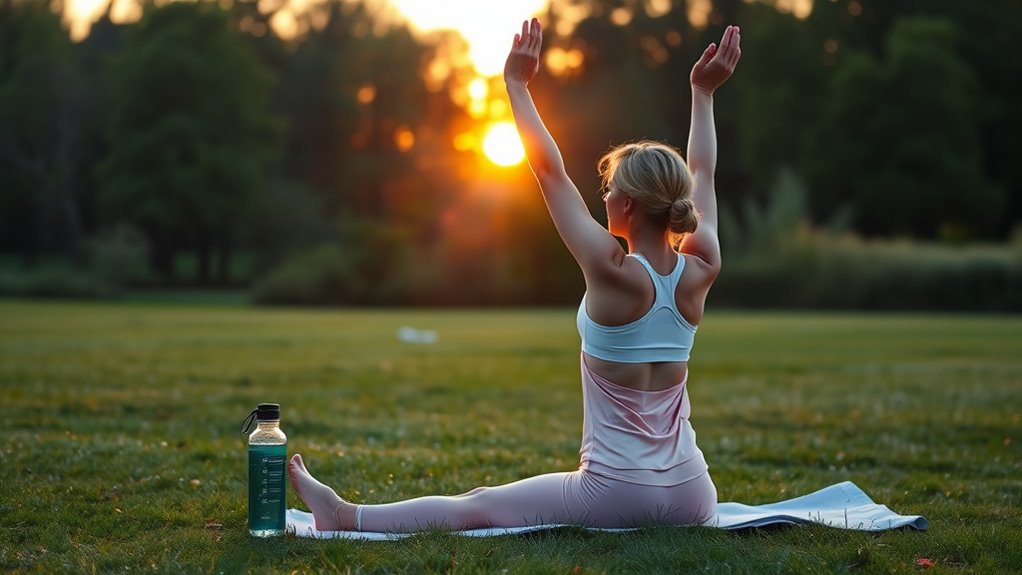
Active recovery involves engaging in low‑intensity exercise or activity on rest days to help your muscles recover faster and reduce soreness. Instead of complete rest, you incorporate gentle movements that promote blood flow and muscle relaxation. This approach helps your body repair itself more efficiently while preventing stiffness and fatigue. One effective way to enhance your active recovery is by including stretching routines. These routines gently elongate your muscles, improving flexibility and reducing tightness caused by intense workouts. Focus on slow, controlled stretches that target major muscle groups—hamstrings, quads, calves, and back. Hold each stretch for about 20–30 seconds, breathing deeply to maximize relaxation. Incorporating dynamic stretches, like leg swings or arm circles, can also warm up your muscles without overexerting them.
Engage in gentle stretching on rest days to boost flexibility and aid muscle recovery effectively.
Alongside stretching routines, foam rolling techniques play a crucial role in active recovery. Foam rolling, also known as self-myofascial release, involves using a foam roller to apply pressure to tight or sore areas. This technique helps break down adhesions in the fascia—the connective tissue surrounding muscles—improving mobility and easing discomfort. When you roll over your calves, quads, or upper back, you’re encouraging better blood flow, which accelerates the healing process. Keep the pressure moderate and roll slowly, pausing on tender spots to release tension. Regular foam rolling sessions on rest days can prevent muscle knots, reduce soreness, and enhance overall flexibility. Incorporating proper recovery techniques can further optimize your results and prevent injuries.
You should aim to keep your active recovery sessions light—think walking, swimming, or cycling at a relaxed pace. These activities keep your muscles engaged without pushing them to fatigue. As you incorporate stretching routines and foam rolling techniques into your rest days, you’ll notice a decrease in post-workout soreness and a quicker return to intense training. Remember, consistency is key; making these practices a regular part of your routine will yield the best results over time.
Additionally, listen to your body. If you feel tightness or discomfort, spend extra time on specific areas with foam rolling or stretching. Hydrate well, and consider incorporating deep breathing exercises to further promote relaxation. Active recovery isn’t just about moving—it’s about moving smartly to support your progress, prevent injuries, and keep you feeling good on your rest days. By combining gentle movements, stretching routines, and foam rolling techniques, you create a sustainable, effective approach to recovery that keeps you in the game longer and feeling stronger.

TriggerPoint Grid 1.0 Foam Roller – 13" Multi-Density Massage Roller for Deep Tissue & Muscle Recovery – Relieves Tight, Sore Muscles & Kinks, Improves Mobility & Circulation – Targets Key Body Parts
IMPROVE MUSCLE RECOVERY – Multi-density GRID features a three-dimensional surface that provides more efficient muscle recovery by promoting…
As an affiliate, we earn on qualifying purchases.
As an affiliate, we earn on qualifying purchases.
Frequently Asked Questions
Can Active Recovery Replace Full Rest Days Entirely?
Active recovery can’t fully replace rest days because your muscles need complete rest to repair and prevent injury. Light workouts help reduce muscle soreness and keep you active without overloading your body, but they shouldn’t be the only recovery method. Incorporate full rest days to allow your muscles to recover properly, which ultimately helps prevent injuries and improves overall performance. Balance active recovery with full rest for ideal results.
What Are the Best Light Workouts for Active Recovery?
You’ll enjoy gentle stretching routines and foam rolling, which work wonders for your muscles without overexerting. These light workouts help improve flexibility, reduce soreness, and boost circulation, making your rest days more invigorating. Incorporate easy yoga poses or simple mobility exercises, and spend a few minutes foam rolling your major muscle groups. This way, you stay active, recover faster, and feel rejuvenated, all while giving your body a well-deserved break.
How Long Should Active Recovery Sessions Last?
For active recovery, aim for sessions lasting 20 to 30 minutes, following duration guidelines that prevent overexertion. You should do these sessions 1 to 3 times per week, depending on your workout intensity and goals. Keep the intensity light, like walking, stretching, or yoga, to promote blood flow and aid recovery without adding stress. Listening to your body helps determine the ideal session length and frequency.
Is Active Recovery Suitable for All Fitness Levels?
Active recovery suits all fitness levels because it adjusts to your training intensity and promotes workout variety. Whether you’re a beginner or an experienced athlete, light exercises help you stay active, prevent injuries, and boost recovery. You can modify the intensity, duration, and type of activity to match your needs, ensuring that everyone benefits from active recovery without risking overexertion or burnout.
What Signs Indicate Active Recovery Is Effective?
You’ll know active recovery is working if your muscle soreness decreases without increasing fatigue, and you feel more energized and mentally clear. If your body feels less stiff and your mood improves, it’s a good sign your light workouts are aiding recovery. You should notice gradual improvements, not setbacks, and your performance may stay steady or even improve. These signs show your active recovery is effectively supporting your overall progress.
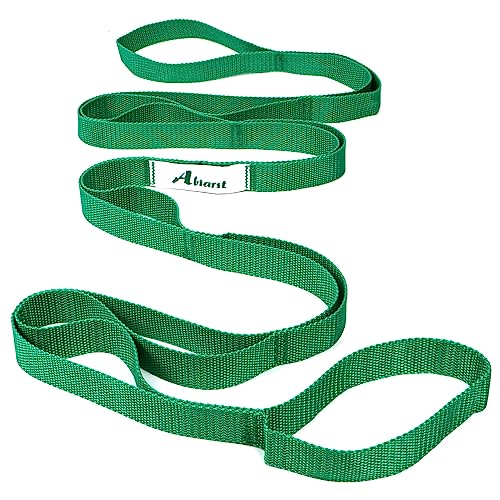
Abiarst Stretching Strap Yoga Straps for Physical Therapy, 10 Loops Non-Elastic Stretch Band for Pilates, Flexibility, Exercise and Gymnastics (Green)
Durable Materia: Our stretching straps are constructed of a durable high-quality fabric that will not fray or break….
As an affiliate, we earn on qualifying purchases.
As an affiliate, we earn on qualifying purchases.
Conclusion
Incorporating active recovery into your routine transforms rest days into powerful tools for progress. Think of it as giving your muscles a gentle hug instead of a harsh slap—helping you recover faster and feel better. Don’t underestimate the magic of light workouts; they’re your secret weapon to avoiding burnout and reaching your goals sooner. Embrace active recovery, and watch your strength skyrocket like a rocket to the stars—faster than you ever imagined possible!

RYGEO Pedal Exerciser Mini Exercise Bike for Leg and Arm Recovery Exercise Lightweight and Portable Floor Bike(Silver)
Leg and Arm Exercise Bike-This mini exercise bike is designed for leg and arm cycling low intensity exercise,and…
As an affiliate, we earn on qualifying purchases.
As an affiliate, we earn on qualifying purchases.

MZDXJ Muscle Roller Massage Roller Stick- Deep Tissue Fascia Blaster for Myofascial Pain Relief, Lymphatic Drainage & Body Sculpting, Handheld Physical Therapy & Recovery Tool (Purple Black-18 inch)
[🌟Precise targeting] Our product can reach deep into muscle trigger points. Its professional massage design effectively relieves muscle…
As an affiliate, we earn on qualifying purchases.
As an affiliate, we earn on qualifying purchases.