
TL;DR

Get workout gear delivered free with Prime
- Fast, free delivery on millions of items
- Prime Video, Amazon Music and more included
- Member-only deals all year
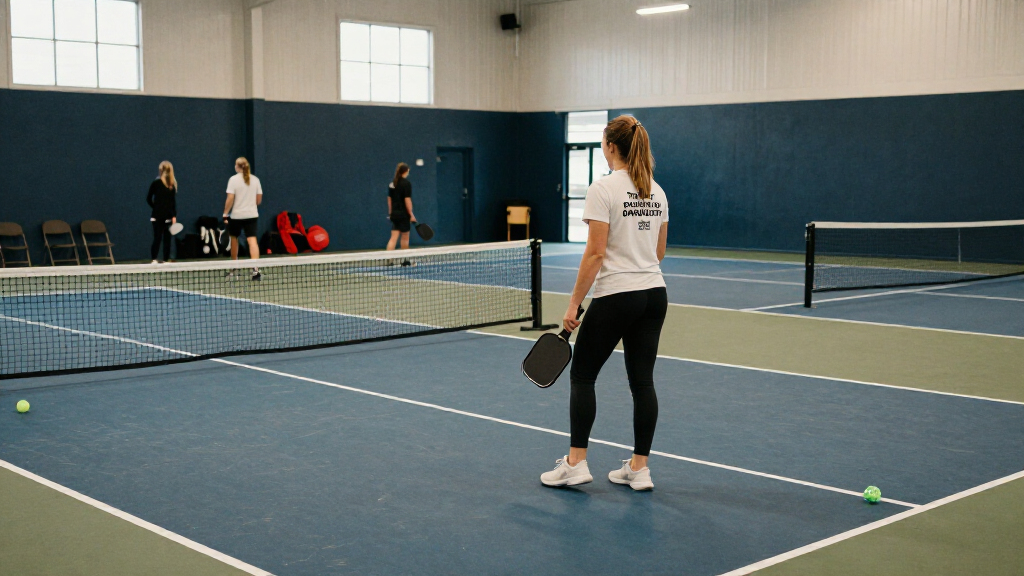
Picklr Inc., parent of The Picklr indoor pickleball franchise, filed for Chapter 11 bankruptcy protection in the Northern District of Texas to address obligations tied to its rapid expansion. An investor group led by franchisee Tom Neale has committed $4.5 million in debtor-in-possession financing; Picklr says the filing does not immediately close clubs, but franchise partners make decisions about individual locations.
Picklr Inc., the parent company of indoor pickleball franchise The Picklr, has filed for Chapter 11 bankruptcy protection in the U.S. Bankruptcy Court for the Northern District of Texas, saying it plans to address obligations accumulated during rapid expansion. The company says its franchising and club-operating subsidiaries are not included in the filing and that no clubs will close immediately as a result, while an investor group led by franchisee Tom Neale has committed $4.5 million in financing for the restructuring.
Picklr said its holding company had guaranteed leases and taken on other obligations for individual clubs as it expanded. Some of those arrangements, the company said, no longer fit its operating model. Chapter 11 allows a business to seek court-supervised reorganization while continuing operations, but the filing does not settle the future of each franchised location.
Dynamus Alliance, an investor group led by franchisee Tom Neale, has committed $4.5 million in debtor-in-possession financing and is expected to sponsor a reorganization plan. If approved by the court, the financing and cash generated by operations are expected to fund the company through the process. Picklr has also asked the court to authorize continued payment of employee wages and benefits and to pay vendors for goods and services provided after the filing.
The company says it has more than 70 locations across 29 states, with master franchise partners in Canada, Australia and Japan continuing to operate. Picklr has said the bankruptcy itself will not trigger immediate closures, but it also says it cannot make the final decision about whether individual clubs remain open: franchise partners own and run those locations.
Franchise Clubs Face Local Decisions
The filing puts a fast-growing fitness franchise under court supervision at a time when the economics of some indoor pickleball locations appear challenging. For members, Picklr’s statement that clubs remain open offers a near-term assurance, but it is not a guarantee that every location will continue operating over the longer term. Franchise owners control individual clubs, and the company says those owners decide whether to stay open.
For employees and vendors, the court process will determine how obligations are handled. Picklr has requested approval to keep paying wages, benefits and post-filing vendor bills; those requests are not the same as a final restructuring outcome. The proposed financing could provide operating funds while the company works on a plan, subject to court approval.
The case also matters to franchisees evaluating the brand’s support and financial structure. Picklr says it is addressing legacy obligations linked to expansion, while the filing and prior club changes put attention on whether its franchising model can support locations with different local costs, demand and competition. The available information does not establish that a nationwide slowdown in pickleball caused the bankruptcy.
As an affiliate, we earn on qualifying purchases.
Expansion and Club Changes Before Filing
Picklr expanded quickly after establishing itself as an indoor pickleball franchise. In January 2024, it named former NFL quarterback Drew Brees a national brand ambassador and area developer for 30 Midwest locations. Later that year, it closed a Series B financing round at a reported $59 million valuation, bringing total funds raised to $9 million, according to the source report. The company also pursued international growth, including a 2025 master franchise agreement for 50 clubs in Australia and New Zealand.
Signs of strain at some locations had surfaced before the filing. CEO Jorge Barragan told franchisees in a September email that the company had cut corporate staff and was evaluating options. Clubs in Round Rock, Texas, and Bluffdale, Utah, consolidated operations with nearby locations, while a West Jordan, Utah, club closed. Other operators left the brand or reopened under different names. These examples show changes at specific sites; they do not establish that all Picklr clubs are struggling.
The filing comes amid changing conditions across U.S. racket sports. The source report cites Sports & Fitness Industry Association figures showing pickleball participation rose 1.3% in the first half of 2026, while padel participation rose 14.5% over that same period. Those figures describe participation growth, not Picklr’s revenue or the cause of its financial difficulties. Pickleball activity is also shifting across age groups, according to a PayPal analysis of six years of payment transactions, while some property developers continue to include courts as residential amenities.
“Our clubs are open, and our members are playing.”
— Picklr CEO Jorge Barragan
As an affiliate, we earn on qualifying purchases.
Court Approval and Club Futures
The court has not yet approved the proposed financing or the requested payments described by Picklr. The available source material does not provide a confirmed timetable for hearings, a final restructuring plan or the amount and treatment of all company obligations.
It is also unclear which, if any, franchise locations may close, change operators or leave the Picklr brand during the case. The company says franchise partners control those decisions, and its assurance that no clubs close immediately does not resolve their longer-term status. Picklr has linked the filing to obligations from expansion; the source material does not establish that slowing U.S. pickleball participation caused the filing.
As an affiliate, we earn on qualifying purchases.
Financing and Reorganization Steps
The next milestones are court consideration of Picklr’s requests for debtor-in-possession financing and permission to continue paying employees and post-filing vendors, followed by development of a reorganization plan. Dynamus Alliance is expected to sponsor that plan, but its terms and timing have not been provided in the source material.
Members, workers, vendors and franchisees will need to watch for court filings and updates from the company about operating arrangements. Individual club decisions may emerge separately because franchise partners run the locations. Until more details are available, Picklr’s stated position is that clubs remain open and the company intends to continue operating while it restructures.
As an affiliate, we earn on qualifying purchases.
Key Questions
What filed for bankruptcy?
Picklr Inc., the parent company of The Picklr indoor pickleball franchise, filed for Chapter 11 protection. The company says its franchising and club-operating subsidiaries are not included in the filing.
Will Picklr clubs close because of the filing?
Picklr says no clubs will close immediately as a result of the filing. It also says franchise partners own and operate individual clubs and make the final decisions about whether those locations stay open.
Who is financing the restructuring?
Dynamus Alliance, an investor group led by franchisee Tom Neale, has committed $4.5 million in debtor-in-possession financing. The financing is subject to court approval, according to the report.
Did slower pickleball growth cause the bankruptcy?
The report says U.S. pickleball participation growth slowed, but Picklr attributed its filing to legacy obligations associated with rapid expansion. The available information does not establish that slower participation growth caused the bankruptcy.
Source: rss
Halloween Picks
halloween
As an affiliate, we earn on qualifying purchases.