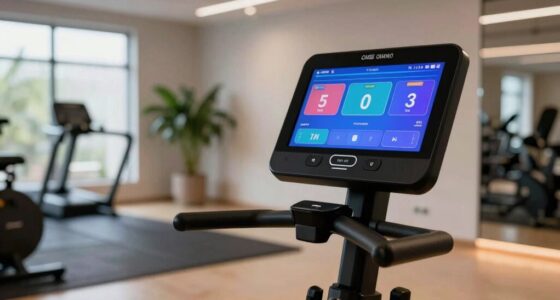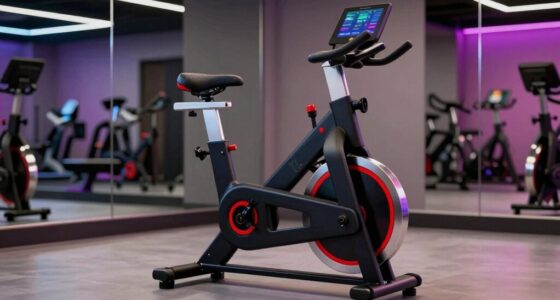

Low-impact cardio works for more people than you think because it allows you to boost fitness safely and sustainably. It protects your joints while still increasing calorie burn and building endurance. This makes it ideal during recovery or if you have joint issues like arthritis. It’s easier to stay consistent because it’s less uncomfortable and intimidating. If you keep exploring, you’ll discover how this gentle approach can help you enjoy better health for the long term.

Get workout gear delivered free with Prime
- Fast, free delivery on millions of items
- Prime Video, Amazon Music and more included
- Member-only deals all year
Key Takeaways
- Low-impact cardio provides effective calorie burning without stressing joints, making it accessible for all fitness levels.
- Its safety and gentleness encourage consistent exercise, leading to long-term health and weight management benefits.
- Suitable for those recovering from injury or with joint conditions, expanding its user base.
- The enjoyable, less intimidating nature boosts motivation and adherence over time.
- It improves cardiovascular health and endurance while reducing inflammation, attracting a diverse range of participants.
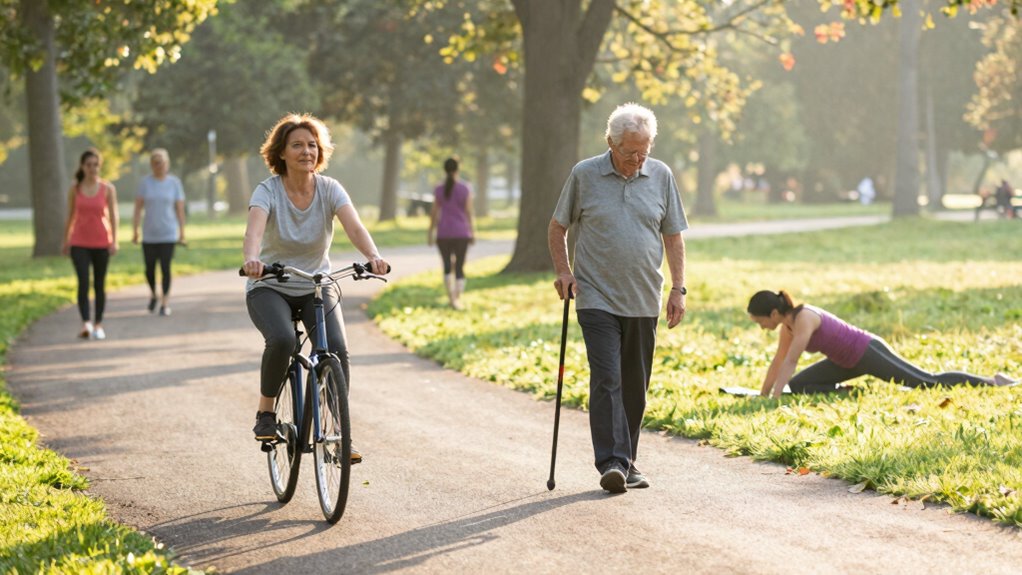
If you’re looking for an effective way to boost your fitness without putting excessive strain on your joints, low-impact cardio offers an excellent solution. It’s a fantastic way to increase your calorie burn while protecting your joint health. Unlike high-impact exercises, which can sometimes lead to discomfort or injury, low-impact activities allow you to work out longer and more consistently. This consistency is key to achieving sustained fitness results.
Low-impact cardio boosts fitness safely, promotes consistency, and protects joint health for long-term results.
You might think that low-impact means less effective, but that’s a misconception. These workouts can still elevate your heart rate, helping you burn calories efficiently. When you choose activities like brisk walking, cycling, swimming, or rowing, you engage your muscles without jarring your joints. This means you can push yourself enough to see progress without risking inflammation or pain. Over time, you’ll notice improvements in endurance, strength, and overall cardiovascular health.
One of the main advantages of low-impact cardio is its accessibility. No matter your age or fitness level, you can incorporate these exercises into your routine. If you’re recovering from an injury or dealing with conditions like arthritis, low-impact workouts allow you to stay active without exacerbating your symptoms. This approach encourages regular movement, which is crucial for maintaining joint health and preventing stiffness or deterioration. Additionally, joint-friendly exercises make it easier to stay motivated and consistent. Incorporating smart programming principles can further help you tailor your routines to your individual needs and goals. Moreover, understanding how to modify exercises can make these workouts even more suitable for your specific circumstances.
Another benefit is that low-impact cardio tends to be easier to sustain over longer periods. Since it’s less taxing on your body, you’re more likely to stick with it consistently. This consistency not only helps with calorie burn but also supports healthy weight management. As you shed excess weight, the added pressure on your joints decreases, further protecting your joint health. It’s a positive cycle that promotes overall well-being. Incorporating appropriate exercise technology can also help optimize your workout experience and track your progress effectively.
You also gain mental benefits from low-impact cardio. Because these workouts can be more comfortable and less intimidating, you’re more likely to enjoy them and integrate them into your daily routine. Whether you’re walking in a park or cycling around your neighborhood, you get the added bonus of fresh air and scenery, which can boost your mood and motivation. Additionally, understanding the benefits of low-impact cardio can motivate you to stay committed and make it a sustainable part of your lifestyle.
As an affiliate, we earn on qualifying purchases.
Frequently Asked Questions
Can Low-Impact Cardio Help With Weight Loss Effectively?
Yes, low-impact cardio can help you lose weight effectively. It boosts calorie burning without putting too much strain on your joints, making it easier to stick with the workout. By maintaining a consistent workout intensity, you can gradually increase calorie burn over time. This approach makes weight loss sustainable, especially if you’re dealing with joint issues or prefer a gentler exercise routine.
Is Low-Impact Cardio Suitable for All Age Groups?
They say age is just a number, and low-impact cardio proves it true. It’s suitable for all age groups because it’s gentle on joint health and easily adaptable to different fitness levels. Whether you’re young or older, you can enjoy benefits like improved endurance and heart health without risking injury. Its flexibility makes it a safe, effective choice for everyone looking to stay active and healthy.
How Often Should I Do Low-Impact Cardio for Best Results?
You should aim for low-impact cardio about three to five times a week, depending on your fitness level. Keep your exercise intensity moderate, so you can maintain a conversation without gasping. For best results, focus on workout duration of 30 to 45 minutes per session. Consistency is key, so listen to your body, and gradually increase duration or intensity as your endurance improves.
Does Low-Impact Cardio Improve Mental Health?
Absolutely, low-impact cardio can transform your mental health like a superhero swooping in! It boosts mindfulness benefits, helping you stay present, and reduces stress more effectively than you might imagine. As you move gently, your brain releases feel-good hormones, clearing mental fog. Regular sessions can turn your mind into a calm, focused oasis, making stress and anxiety shrink away like shadows at sunrise. It’s a powerful, accessible way to uplift your mood daily.
Are There Specific Low-Impact Exercises I Should Try First?
Start with joint-friendly options like brisk walking, swimming, or cycling, which are perfect for beginners. These routines are gentle on your joints but still effective for cardio health. You can easily find beginner-friendly routines online or create a simple plan that gradually increases intensity. Remember, consistency is key, so choose activities you enjoy to stay motivated and make low-impact cardio a regular part of your fitness routine.
recovery friendly elliptical trainer
As an affiliate, we earn on qualifying purchases.
As an affiliate, we earn on qualifying purchases.
Conclusion
So, don’t overlook low-impact cardio—it’s accessible and effective for many. Did you know that nearly 60% of adults prefer low-impact workouts because they’re easier on the joints? That’s a huge chunk of people finding a sustainable way to stay active. Whether you’re recovering from an injury or just starting out, low-impact cardio can fit into your routine seamlessly. Give it a try—you might find it’s exactly what you need to stay consistent and healthy.
arthritis friendly swimming pool float
As an affiliate, we earn on qualifying purchases.
As an affiliate, we earn on qualifying purchases.
As an affiliate, we earn on qualifying purchases.
Columbus Day / Indigenous Peoples' Day Picks
long weekend sales
As an affiliate, we earn on qualifying purchases.