AIThis post was created with the assistance of artificial intelligence (AI).

TL;DR

Compact adjustable dumbbells combine multiple weight settings in one assembly, often using a dial, pin, or lever to change the load. They can save storage space and support many home strength exercises, but you should compare per-dumbbell weight, increments, dimensions, adjustment steps, and warranty before buying.

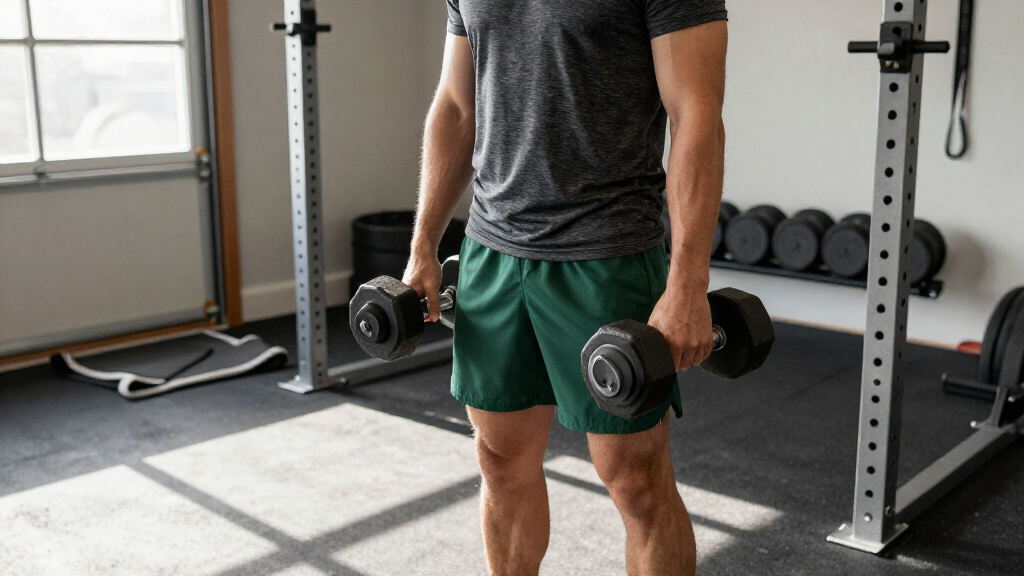
A pair of dumbbells can turn a quiet corner of your home into a place to train, but a full rack can take over the room. Compact adjustable dumbbells solve that storage problem by combining multiple weight settings in one handle-and-weight assembly. You select the load with a dial, pin, lever, or spin-lock plates, then return to your workout. That convenience comes with tradeoffs. Some models need a cradle for weight changes, and their shape can feel different from traditional dumbbells during curls or presses. This guide explains how the systems work, what to check before you buy, and how to use and store them sensibly. You’ll also see why “compact” describes storage better than it describes every movement.
At a glance
Compact Adjustable Dumbbells: What to Know Before Buying
Key insight
A compact adjustable set can take up much less storage space than a rack of fixed weights, while the dumbbells themselves may be longer or bulkier during use than fixed dumbbells at the same load.
Key takeaways
1

Check the maximum load per dumbbell, since listings may advertise the combined weight of a pair.

2

Compare increment size and adjustment steps; some selector systems need a cradle for changes.

3

Measure the cradle and the dumbbells, and check their length for your exercises.

4

Review warranty, replacement parts, and manufacturer guidance about dropping or storing the weights.

5

Choose a weight range that covers your current routine and leaves room for gradual progression.

Before you orderOffer from Amazon

Get workout gear delivered free with Prime

  • Fast, free delivery on millions of items
  • Prime Video, Amazon Music and more included
  • Member-only deals all year
Start your free Prime trial Free trial for eligible customers · Cancel anytime
As an affiliate, we earn on qualifying purchases.

How compact adjustable dumbbells replace a rack of weights

Compact adjustable dumbbells are a handle-and-weight assembly that lets you choose from several loads using one piece of equipment. A selector often uses a dial, pin, or lever to combine multiple weight settings in one assembly, so users can move between loads without keeping a separate pair for each weight. Some simpler designs use spin-lock collars and plates that you add or remove by hand. Think of the set as a small toolbox: the same handle serves many jobs, but you still need to choose the right tool for each one. You might select a light setting for lateral raises, then a heavier one for rows. That flexibility helps when your spare room has a yoga mat, a laundry basket, and little else to spare. The details vary by model. A dial may change weight quickly, but some systems require the dumbbell to rest in its cradle while you select a load. A spin-lock model takes more hands-on adjustment, yet its straightforward design may suit someone who uses only a few weights and does not mind changing plates between exercises. The word “compact” often refers to the storage footprint compared with a rack. It does not guarantee that each dumbbell will be short or easy to maneuver. At a light setting, the full length may feel noticeably different from a fixed dumbbell, so check dimensions as well as the number of settings.

Products Worth Considering

Oral-B iO7 Rechargeable Electric Toothbrush, Deep Clean + Protect, White

Oral-B iO7 Rechargeable Electric Toothbrush, Deep Clean + Protect, White

As an affiliate, we earn on qualifying purchases.

Compare weight range and adjustment speed before you buy

The most useful adjustable dumbbell is the one whose weight range fits your actual exercises and progression. Compare the lightest and heaviest setting per dumbbell, the size of each increment, and how you change loads. A product that advertises a large pair total may list the combined weight of both dumbbells, so read the specifications carefully.
What to checkWhy it mattersExample
Weight per dumbbellShows the maximum load in each handA pair total can sound like twice the per-hand limit
IncrementsSmaller jumps can make progression more manageableMoving up gradually may help with shoulder exercises
Adjustment methodChanges how quickly you can switch loadsA dial can be faster than adding plates
Cradle requirementDetermines where weight changes happenYou may need a stable surface nearby
These specifications affect how a set works across an entire workout. A maximum load that is adequate for raises may be too low for rows or presses, while a high maximum is of little use if the lightest setting is too heavy for controlled smaller-muscle exercises. Increment size matters because strength does not always progress in large, even jumps: a small increase can let you keep good form when the next bigger setting would force you to shorten the movement or compensate. Adjustment speed is a practical tradeoff. Faster changes can keep a circuit moving, but a selector that must sit in its cradle may make transitions awkward if the cradle is across the room or the next exercise uses the floor. For example, if you do presses at a heavier load and raises at a lighter one, small increments may be handy for the raises, while a high maximum load may matter more for your presses. Check whether the advertised range belongs to one dumbbell or the pair, then compare those numbers with the loads you use now and the exercises you plan to do.

Check the shape and balance for the exercises you do

Compact adjustable dumbbells can feel different from fixed dumbbells because their plates, selector parts, and handles may extend farther along the hand. Their shape and balance affect how close the weights sit together during presses and how comfortable the grip feels during curls. Space savings at home do not automatically mean a more natural feel in your hand. Picture a workout in a small bedroom: you set up for a floor press, bring the weights toward your shoulders, and notice their outer ends touch sooner than the fixed dumbbells you used at a gym. That is a practical fit issue, not a sign that the exercise itself is wrong. A longer design may also bump your forearm during a curl or feel awkward at a light setting. If possible, handle the model before buying or check its length and grip dimensions. Look for details about how the plates sit at lighter settings, since the dumbbell may keep its full length even when you remove weight. Your own movements matter: someone doing rows and presses may be comfortable with a longer body, while a person who relies on close-grip movements may prefer a different shape. Treat fit as part of the specification. If a return period is available, try a few familiar movements in a clear space and follow the maker’s instructions. Stop if the selector or plates shift, and confirm that the selected load is locked before lifting.

Choose a set that fits your room, budget, and routine

Choose compact adjustable dumbbells by matching the usable weight range, storage footprint, and adjustment process to your routine. A pair and its cradles usually need less room than a full rack, but the cradle and the dumbbells’ length still need a dedicated place. Measure the intended spot instead of relying on the word “compact.” Use this short buying sequence before you decide:
  1. List your main exercises and the loads you use for each hand.
  2. Check the per-dumbbell range and the smallest weight jumps.
  3. Measure the storage area with room to lift the dumbbells out of their cradles.
  4. Compare the adjustment steps, including whether changes require a cradle.
  5. Review the price, warranty, and parts support for that specific model.
Each step helps expose a different mismatch before it becomes an expensive inconvenience. Your current loads show whether the set works today; the available increments and maximum help you judge whether it can still serve as you progress. Measuring the space should include access, not just the footprint: a set that fits beneath a bench may be difficult to lift out if the handles or cradle are boxed in. Budget is another tradeoff between upfront cost and flexibility. Adjustable dumbbells often cost more than a few fixed pairs, but they can replace many pairs if you will actually use the range. A complicated selector or unavailable replacement parts can reduce that value over time. A renter who trains in the living room might value a quick selector and a compact cradle, then slide the set beside a cabinet after a workout. Someone who trains in short circuits may care more about how smoothly they can switch loads between exercises. Compare the warranty and replacement-part availability alongside the purchase price; a broken selector can matter more than a small difference in cost.

Use and maintain adjustable dumbbells with care

Use adjustable dumbbells according to the manufacturer’s instructions, and check that the selected weight is secure before each lift. The handle, plates, locking parts, and cradle all affect how the set holds up over time. A selector mechanism adds convenience, but it also gives you moving parts to keep clean and handle as directed. Most models should not be dropped unless the manufacturer specifically says they are designed for it. A hard impact on a garage floor can damage a selector, plate, or locking part. For example, after a set of rows, place the dumbbell back in its cradle rather than letting it fall from knee height. Keep the equipment clean and dry, inspect the selector and locking parts regularly, and store it in the cradle if the maker recommends that practice. These checks matter because the chosen load depends on parts engaging as intended. If a plate is not seated or a selector has not locked, the dumbbell may not behave as expected during a lift. Dropping it can also damage internal or locking components even when the outside looks intact, so an impact rating should come from the manufacturer rather than appearance. A brief check before lifting and careful placement after a set help protect both the mechanism and your training space. Quick weight changes can help a workout flow, but they do not mean every model suits fast circuits. Some systems need to sit in the cradle before you can adjust them, so plan a stable spot for changes and leave enough room to move safely. If exercise is new to you, learn the movement with a manageable load and build up gradually. If you have a pre-existing health condition or need guidance on exercise intensity, speak with a qualified professional before starting a routine.

Keep these key buying facts in mind

The key facts and buying questions come down to fit: choose a set whose range, adjustment steps, shape, storage needs, and support match how you train. Compact adjustable dumbbells can replace several fixed pairs in a home gym, but “compact” does not describe every movement or every storage setup. Specifications and model lineups change, so check the current product listing and warranty before purchasing. According to the product specifications you are comparing, confirm whether the maximum weight applies to one dumbbell or to the pair. That distinction changes what load you can use in each hand, so a large pair total can overstate the useful load for bilateral exercises. Then look at dimensions both in storage and in use. A set may fit beneath a bench yet feel unusually long during a light curl, much like carrying a short umbrella that opens wider than you expected. Before checkout, ask whether you can get replacement parts, whether the manufacturer permits dropping the weights, and whether any expansion kit actually fits that model. These details affect the cost and usefulness of the set after the initial purchase: a repairable selector may extend its service life, while an incompatible expansion kit cannot solve a range that is too light. Compatibility and added capacity are model-specific. For a real-world example, if your routine includes presses, rows, and raises in one session, a broad range with practical increments may serve you better than a headline maximum you rarely use. > A smaller storage footprint is useful only when the selected weights also feel secure and workable in your hands. Use that as your final filter: a set should fit your home, your training, and your willingness to follow its adjustment and care instructions.

Frequently Asked Questions

Are adjustable dumbbells as good as fixed dumbbells?

Adjustable dumbbells can support many of the same strength exercises while taking less storage space than a rack. Fixed dumbbells are often simpler and may suit heavy commercial use, while adjustable models consolidate several loads into one setup.

How much weight should I buy?

Choose a range that covers the exercises you do now and allows gradual progression. Check the maximum weight per dumbbell, since a listing may show the total for the pair.

Are adjustable dumbbells suitable for beginners?

Yes. A useful range and manageable increments can support gradual changes as you learn. Start with a load you can control, and follow the manufacturer’s adjustment instructions.

Can I drop adjustable dumbbells?

Usually, you should not drop them unless the manufacturer says that model is designed for impact. A drop can damage plates, selectors, or locking parts. Set them down carefully and return them to the cradle when directed.

Will compact adjustable dumbbells fit in a small apartment?

They often need less storage space than a rack, but the pair and cradles still need room. Measure the storage spot and check the dumbbell length, including the space you need to lift them out.

How do I maintain adjustable dumbbells?

Keep them clean and dry, inspect the selector and locking parts, and store them as the manufacturer recommends. Check that the chosen load is locked before lifting.

Conclusion

Choose compact adjustable dumbbells by the work they can do in your hands and the space they take up at home. Compare per-hand weight, increments, shape, adjustment steps, and support before buying, then store and handle the set as the manufacturer directs. A good pair should leave your room open and your next workout within reach—like a small, tidy toolbox waiting in the corner.
Wellness content on this site is informational and not a substitute for professional medical guidance.
You May Also Like

5 Gym Machines Perfect for Beginners (and How to Use Them)

Unlock essential gym machines for beginners and discover how to use them effectively to build confidence and strength—your fitness journey starts here.

Fitness Trackers & Smartwatches: Do They Really Improve Your Workout?

Push your workout further with fitness trackers and smartwatches—discover how they can truly enhance your fitness journey and why you should keep reading.

5 Things to Know Before Buying Your First Treadmill

Just knowing these five essentials can transform your treadmill purchase—discover what you need to consider before making your first buy.

Resistance Tubes Vs Resistance Bands: What’s the Difference?

What’s the key difference between resistance tubes and bands, and which one is right for your fitness goals? Keep reading to find out.