

TL;DR
New research investigates if creatine, commonly used for muscle building, can enhance intelligence or cognitive performance. While some studies suggest potential benefits, evidence remains inconclusive. The findings could influence supplement use and brain health strategies.
Recent research has explored whether creatine supplementation, widely used for physical performance, can also boost cognitive function. While some preliminary findings suggest potential benefits, conclusive evidence is still lacking, and experts emphasize the need for further studies to determine any definitive effects.

Get workout gear delivered free with Prime
- Fast, free delivery on millions of items
- Prime Video, Amazon Music and more included
- Member-only deals all year
While creatine is well-known for its role in muscle energy metabolism, its impact on brain chemistry and cognition remains under study. Some researchers point out that creatine naturally occurs in the brain and that supplementation could support brain energy demands, especially in populations with deficiencies or cognitive impairments. Nonetheless, the scientific community emphasizes that more rigorous, large-scale trials are necessary to confirm any cognitive benefits.
Why Creatine’s Cognitive Effects Could Impact Supplement Use
If future research confirms that creatine can enhance cognitive functions such as memory, attention, or processing speed, it could lead to broader use of the supplement among healthy individuals seeking mental performance support. This might influence dietary supplement markets, brain health strategies, and even clinical approaches for cognitive decline. However, without definitive evidence, health professionals advise caution and recommend consulting medical providers before using creatine for cognitive purposes.
Products Worth Considering

Levoit Vital 100S-P Air Purifier for Home and Pets

Garmin Forerunner 570 GPS Running Smartwatch, 42 mm, Aluminum Bezel, Bone/Mango
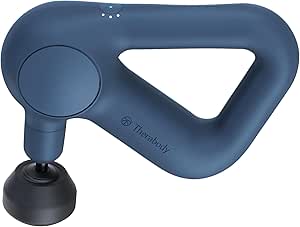
Therabody Theragun Relief Massage Gun, 3-Speed, Navy
As an affiliate, we earn on qualifying purchases.
Previous Research on Creatine and Brain Function
Creatine has been extensively studied for its benefits in athletic performance and muscle growth. Its role in energy metabolism in muscle cells is well established, leading to widespread supplementation among athletes. In recent years, interest has grown in its potential neuroprotective and cognitive-enhancing effects, especially in populations with neurological conditions or cognitive impairments. Several small studies have suggested that creatine supplementation might improve memory and mental fatigue in specific groups, but results have been inconsistent. The current research aims to clarify whether these effects extend to healthy individuals and how significant they might be.
“While some evidence hints at cognitive benefits from creatine, the data is still preliminary. Larger, controlled trials are essential to establish any definitive effects.”
— Dr. Susan Lee, neuroscientist at the University of California
Unconfirmed Effects and Need for Further Research
Despite some promising findings, it is not yet clear whether creatine reliably improves cognition in healthy individuals. The current studies are limited in size and scope, and results have been mixed. It remains uncertain if creatine’s potential benefits are significant enough to recommend for cognitive enhancement outside specific medical conditions. Researchers emphasize the importance of larger, long-term trials to verify these early signals.
Upcoming Studies and Research Directions
Scientists plan to conduct larger, randomized controlled trials to better understand creatine’s effects on various aspects of cognition. Researchers also aim to identify which populations might benefit most, such as older adults or those with cognitive impairments. Meanwhile, health professionals advise consumers to approach creatine supplementation for brain health with caution and consult healthcare providers before use.
Key Questions
Can creatine improve my memory?
Current evidence is inconclusive. Some studies suggest potential benefits, but more research is needed to confirm if creatine can reliably enhance memory in healthy individuals.
Is creatine safe for cognitive use?
Creatine is generally considered safe when used as directed for physical performance. Its safety for cognitive enhancement is still being studied, and individuals should consult healthcare providers before use for this purpose.
How long does it take for creatine to affect the brain?
Research on the timeline of cognitive effects is limited. Most studies have tested supplementation over several weeks, but definitive timeframes are not established.
Should I start taking creatine to boost my brainpower?
Experts recommend caution. While some preliminary data are promising, there is no conclusive evidence to suggest creatine reliably boosts cognition in healthy people. Consult a healthcare professional before considering supplementation for this purpose.
Source: hn