Instead of relying solely on a scale, focus on tracking body composition with tools like calipers or bioelectrical impedance, noting changes in fat percentage and muscle gain. Keep an eye on strength improvements by recording reps and weights, and monitor your cardiovascular endurance through pace and heart rate. Take progress photos, track flexibility, and notice how your clothes fit better. For more effective ways to measure your progress, explore these strategies in detail to stay motivated and confident.
Key Takeaways
- Focus on body composition measurements like body fat percentage and muscle gain for a more accurate progress assessment.
- Track strength improvements through regular records of reps, weights, and milestone achievements.
- Monitor cardiovascular endurance using heart rate, pace, and recovery metrics rather than weight alone.
- Use progress photos, clothing fit, and flexibility tests to visualize subtle changes and motivate ongoing effort.
- Keep a workout and nutrition journal to evaluate consistency, habits, and overall health beyond the scale.
Tracking Body Composition Changes

While the scale offers a quick way to check your progress, it doesn’t tell the whole story. To truly understand your fitness journey, focus on tracking body composition changes. Instead of just watching your weight, pay attention to shifts in body fat and muscle gain. You might be losing fat but gaining muscle, which the scale might not reflect accurately. Using tools like skinfold calipers or bioelectrical impedance devices helps you monitor these changes more precisely. These methods are professional-grade tools that provide more detailed insights into your body makeup. They can also help you identify muscle gain that isn’t visible through weight measurement alone. This way, you see improvements like a lower body fat percentage or increased muscle mass, even if your weight stays steady. Tracking these aspects keeps you motivated and provides a clearer picture of your progress, ensuring you’re moving toward your fitness goals in a healthy, sustainable way. Understanding body composition can help you make more informed decisions about your health and fitness.
Monitoring Strength Gains

To effectively monitor your strength gains, you should regularly track your maximum reps and record your progress in weightlifting. Noticing improvements in these areas helps you stay motivated and adjust your training as needed. Keep an eye on key strength milestones to see how far you’ve come without relying on the scale. Incorporating progress tracking techniques can further enhance your ability to measure your fitness improvements accurately. Paying attention to consistent training consistency also ensures your progress remains steady and measurable over time. Additionally, understanding SDLC principles can help you plan and evaluate your training phases more effectively. Recognizing the importance of cultural heritage in Native communities can deepen your appreciation for the diverse ways people measure success and progress in their personal and communal development. Moreover, utilizing tools like digital tracking apps can provide real-time data and help you stay organized in your fitness journey.
Track Maximum Reps Regularly
Have you ever wondered how much your strength has improved over time? Tracking your maximum reps regularly offers clear insight into your progress. It’s a straightforward way to measure strength gains without relying solely on weight. To get accurate results:
- Schedule consistent testing days, ideally weekly or biweekly.
- Warm up properly to prevent injury and ensure valid comparisons.
- Track your maximum reps for each exercise, noting any increases.
- Support your progress by maintaining good calorie monitoring and prioritizing sleep quality, which both influence strength recovery.
- Incorporating consistent yoga practice can help improve flexibility and balance, supporting overall strength development.
- Incorporating performance tuning can help you analyze trends over time and tailor your training plan more effectively. Regularly reviewing your training data can also identify patterns that optimize your progress, especially when considering ethical hacking principles like reconnaissance and data analysis to refine your approach.
Record Weightlifting Progress
Tracking your weightlifting progress is essential for understanding how your strength is developing over time. Keep a detailed log of your lifts, noting the weight, reps, and sets each session. Focus on maintaining proper lifting technique to guarantee you’re progressing safely and effectively. Regularly review your records to identify improvements and plateaus. Additionally, pay attention to equipment maintenance—make certain your gear is in good condition to prevent injuries and maintain prime performance. Adjust your training plan based on these observations, gradually increasing weights as your strength improves. Recording these details helps you stay motivated and provides clear evidence of your progress beyond just how you look. Consistent documentation makes it easier to set realistic goals and celebrate your strength gains.
Monitor Strength Milestones
Monitoring your strength milestones helps you see how your efforts translate into real gains. Instead of relying solely on the scale, focus on tangible progress. Here are some effective ways to track your strength improvements:
- Record the weights you lift in key exercises like squats or deadlifts to measure increases over time.
- Track your flexibility improvements, which often accompany increased strength, by measuring your flexibility regularly.
- Monitor your hydration levels, as proper hydration can impact strength and recovery.
- Use progress photos or strength tests to visually and physically assess gains.
- Pay attention to support systems like braces or supportive gear that can help prevent injuries and improve performance during training. Additionally, understanding YouGoNews insights can provide motivation and awareness of broader health and wellness trends that support your fitness journey.
Assessing Cardiovascular Endurance
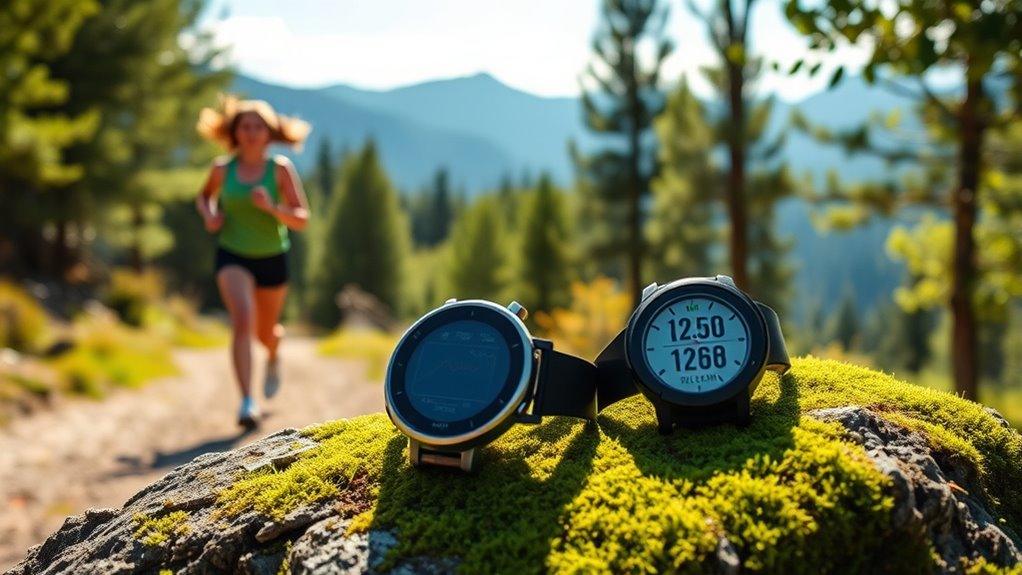
To assess your cardiovascular endurance, focus on tracking your running speed over time to see how your performance enhances. Keep an eye on your heart rate during exercise to make certain you’re working within your target zone. These simple measures help you understand your progress without relying on the scale. Incorporating cardiovascular health awareness into your routine can also support recovery and reduce stress post-workout. Using load‑planning tools can help you structure your training effectively and monitor improvements systematically. Additionally, integrating smart monitoring technology can provide real-time feedback and more precise insights into your cardiovascular progress. Implementing performance tuning techniques can further optimize your training results by identifying areas for improvement and making targeted adjustments.
Track Running Speed
Evaluating your cardiovascular endurance through running speed involves measuring how quickly you can cover a set distance. To do this effectively, focus on your pace and consistency during each run. Incorporate interval training to push your limits and improve speed. Track your progress over time to see improvements in your running times. Make sure to:
- Set a fixed distance, like 1 or 3 miles, for consistent measurement
- Use a stopwatch or GPS watch for accurate timing
- Practice interval training to boost your speed and stamina
- Maintain pace consistency to ensure reliable progress tracking
Monitor Heart Rate
Tracking your heart rate during runs provides real-time feedback on how hard your cardiovascular system is working. By paying attention to your heart rate variability, you can gauge your body’s response to exercise and recovery. Monitoring your resting heart rate over time reveals improvements in cardiovascular endurance; a lower resting rate typically indicates better efficiency and fitness. Using a heart rate monitor or smartwatch makes tracking these metrics straightforward. During intense activity, your heart rate should elevate, but if it remains too high or doesn’t recover quickly afterward, it may signal overtraining or fatigue. Regularly evaluating your heart rate helps you tailor workouts for ideal progress, ensuring you’re challenging yourself without risking burnout. Ultimately, monitoring your heart rate offers valuable insights beyond just the scale.
Using Progress Photos for Motivation

Progress photos can be a powerful tool to keep you motivated on your fitness journey. They help you see visual consistency over time, which often goes unnoticed day-to-day. By comparing photos, you improve your self perception, recognizing subtle changes and avoiding frustration. To maximize this method:
- Take photos from consistent angles and lighting to ensure accuracy.
- Wear the same clothing to better see physical changes.
- Schedule regular sessions, like weekly or monthly, for clear comparisons.
- Keep your photos private or share them only with trusted friends for honest feedback.
These steps reinforce your progress and boost motivation. Using photos shifts focus from numbers to visual evidence, making your journey more tangible and rewarding. It’s a motivating reminder that your effort is transforming your body.
Measuring Flexibility and Mobility

Measuring your flexibility and mobility provides valuable insights into your physical capabilities and progress. You can evaluate joint mobility by performing simple tests, such as shoulder or hip rotations, to see how freely your joints move. Incorporate dynamic stretching into your routine to improve and gauge flexibility; it also helps identify tight areas that may limit your movement. Tracking improvements in your range of motion over time indicates increased joint health and functional fitness. Pay attention to how easily you perform movements like reaching for your toes or twisting your torso. These measures help you understand your body’s adaptability beyond weight or appearance. Regularly assessing flexibility and mobility keeps you aware of your progress and highlights areas needing targeted improvement.
Keeping a Workout and Nutrition Journal

Keeping a workout and nutrition journal is one of the most effective ways to stay accountable and see real results. It helps you monitor progress beyond the scale, highlighting areas like meal planning and hydration tracking. By recording your workouts, you can identify patterns and adjust your routines for better gains. Tracking meals ensures you’re meeting your nutritional goals and avoiding guesswork. Hydration tracking reminds you to drink enough water, which boosts energy and recovery. To get started, consider these tips:
- Log daily workouts and exercises.
- Write down meals and snacks, focusing on portion sizes.
- Track water intake to maintain proper hydration.
- Review your journal weekly to celebrate progress and spot areas for improvement.
Paying Attention to How Clothes Fit

Tracking your journey isn’t just about numbers on a scale; it’s also about how your clothes fit. When your clothing comfort improves, you’ll notice your wardrobe changes reflect your progress. Looser shirts or pants that fit more comfortably are signs that you’re losing inches and gaining confidence. Pay attention to how your favorite jeans or dresses feel—are they becoming easier to wear? This method offers a tangible, motivating way to gauge your success without obsessing over your weight. Keep in mind, slight adjustments in clothing fit can be more accurate indicators of your progress than scales, especially since muscle gain and fat loss can offset each other. By focusing on wardrobe changes, you stay motivated and connected to your body’s real transformation.
Noticing Improved Energy and Mood

As you make healthier choices and incorporate regular activity into your routine, you’ll likely notice a boost in your energy levels and mood. This positive change often comes from improved circulation and the release of endorphins. You might also find that practicing mindful breathing helps you stay present, reducing stress and enhancing your overall sense of well-being. Pay attention to these signs:
- Increased daily enthusiasm and motivation
- Better resilience to stress and fewer mood swings
- Greater mental clarity and focus
- More consistent energy throughout the day
These benefits are strong indicators of your progress beyond the scale. Staying mindful of your breathing and managing stress effectively can amplify these mood-boosting effects, making your fitness journey more rewarding.
Setting and Reaching Personal Goals

Have you ever wondered how setting clear, achievable goals can transform your fitness journey? When you set realistic expectations, you create a roadmap that keeps you motivated and focused. Incorporating mindfulness practices helps you stay present and aware of your progress, preventing frustration or burnout. Break your larger goals into smaller, manageable steps to celebrate each milestone along the way. Remember, success isn’t just about quick results; it’s about building sustainable habits. By aligning your goals with your values and priorities, you ensure they’re meaningful and motivating. Stay flexible and adjust your objectives if needed, recognizing that progress takes time. With a balanced approach, you’ll develop confidence and enjoy every step toward your healthier, stronger self.
Frequently Asked Questions
How Often Should I Reassess My Fitness Progress Without a Scale?
You should reassess your fitness progress every 4 to 6 weeks using scale alternatives and progress benchmarks. This timeframe allows you to see meaningful changes without getting discouraged by daily fluctuations. Focus on metrics like body measurements, strength gains, stamina, or how your clothes fit. Regular check-ins help you stay motivated, adjust your routines, and celebrate non-scale victories, making your fitness journey more satisfying and sustainable.
What Are Some Signs of True Fitness Improvement Beyond Measurements?
You’ll notice true fitness improvements through increased muscle tone, which makes your muscles look more defined and firm. You’ll also see boosts in stamina and endurance, allowing you to perform daily activities or workouts longer without fatigue. Additionally, you might feel stronger physically, recover faster from exertion, and experience better overall energy levels. These signs show you’re making real progress, even if the scale stays the same.
Can Mental Health Affect My Physical Progress Tracking?
Yes, mental health considerably impacts your physical progress tracking. When your self-esteem impacts your confidence, you might feel discouraged even if you’re improving physically. Motivation fluctuations can make it harder to stay consistent, causing setbacks in your fitness journey. Prioritizing mental well-being helps you recognize real progress beyond numbers, keeping you motivated and focused. Remember, a positive mindset fuels consistent effort and better overall results.
How Do I Stay Motivated When Progress Seems Slow?
Imagine your motivation as a tiny squirrel trying to cross a vast canyon—slow progress can make you feel like it’s impossible. To stay motivated, embrace mindset shifts and celebrate small wins. Focus on steady goal setting, not quick fixes. When progress stalls, remind yourself that every tiny step builds momentum, transforming that squirrel into a fearless explorer rather than a stranded nut collector. Keep going; the view’s worth it!
Are There Any Risks in Ignoring the Scale Entirely?
Ignoring the scale isn’t without risks. You might develop scale anxiety or become overly measurement-dependent, missing other signs of progress. Without regular weighing, you could overlook issues like muscle gain or fat loss, which the scale doesn’t always reflect. To stay balanced, combine other progress indicators like strength, endurance, or how your clothes fit, ensuring you don’t rely solely on the scale for your fitness journey.
Conclusion
Ditch the scale and discover diverse ways to track your transformation. Focus on fitness facts like progress photos, performance, and personal goals. Celebrate small successes, stay motivated, and make your journey joyful. Remember, your progress is more than just pounds—it’s about perseverance, persistence, and passion. By embracing these better benchmarks, you’ll build a balanced, body-positive mindset and boost your confidence every step of the way. Keep counting your wins, not just your weight!