
If you’re new to fitness, struggle with consistency, or worry about safety, a personal trainer can help you stay motivated, create customized plans, and guarantee proper form to prevent injuries. Beginners and those facing plateaus benefit greatly from professional guidance, while experienced, disciplined individuals may prefer DIY routines. To make the best choice, consider your motivation, safety concerns, and confidence level. Keep exploring to discover how to decide when a trainer might be just what you need.
Key Takeaways
- Beginners or those lacking confidence benefit from professional guidance to learn proper technique and build motivation.
- If you struggle with consistency or motivation, a trainer provides accountability and encouragement.
- When aiming to prevent injuries or tailor workouts to specific limitations, a trainer’s expertise is essential.
- DIY routines require discipline and knowledge; if unsure, a trainer helps ensure effectiveness and safety.
- Personal trainers are valuable when seeking customized programs and motivation to overcome plateaus and achieve goals.

Are you wondering whether to hire a personal trainer or go the DIY route for your fitness goals? Deciding between the two depends on your individual needs, experience, and motivation levels. If you’re new to exercise or have struggled to stay consistent on your own, a personal trainer can provide significant motivation boosts that keep you committed. Trainers know how to create tailored workout plans that align with your goals, making it easier to stay focused and energized. They also offer accountability, which can be a game-changer when motivation wanes. Without someone pushing you, it’s easy to lose steam or skip workouts, especially when life gets busy or you hit a plateau. A trainer’s encouragement can help you push through those tough days, ensuring you stay on track.
A personal trainer keeps you motivated, focused, and accountable to reach your fitness goals effectively.
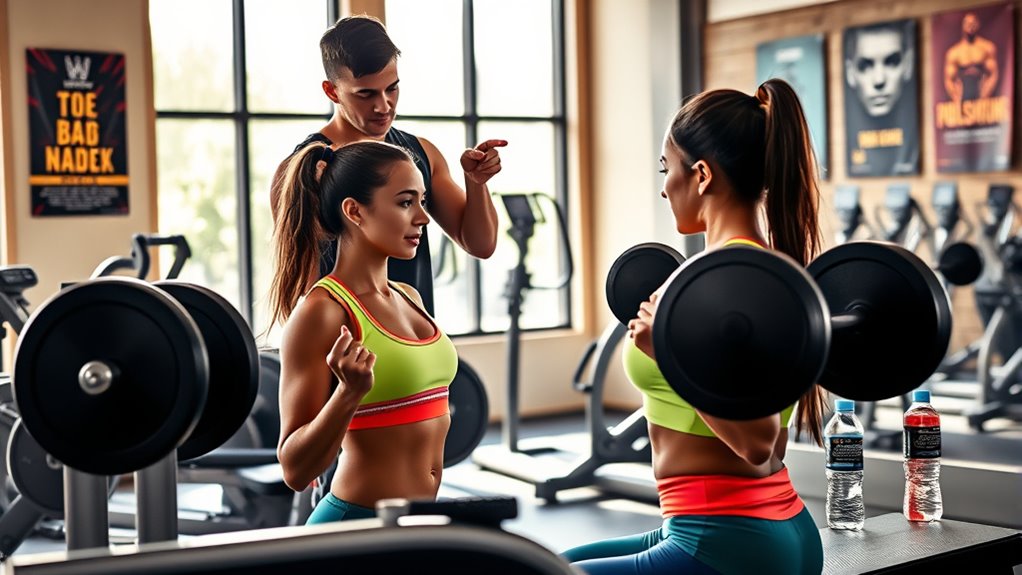
In addition to motivation, injury prevention is another critical reason to contemplate working with a professional. When you’re exercising on your own, it’s easy to overlook proper form or push yourself beyond safe limits. Poor technique can lead to strains, sprains, or more serious injuries that set back your progress or require medical attention. A personal trainer ensures you learn correct form from the start, minimizing your risk of injury. They can also modify exercises to accommodate any existing injuries or limitations, making sure your workout is both safe and effective. On your own, it’s tempting to ignore discomfort or fatigue, but a trainer will monitor your form and help you recognize warning signs before something goes wrong.
Going the DIY route can work well if you’re confident in your ability to design effective workouts and stay motivated. However, even if you’re experienced, the lack of professional guidance might mean you miss out on key injury prevention strategies or motivation boosts that help you push past plateaus. Without someone to hold you accountable, it’s easier to slack off or lose interest, especially when results plateau or motivation dips. While DIY workouts are more affordable and flexible, they require a high level of discipline and knowledge. If you’re unsure about proper form or how to design a balanced program, you run the risk of injury or stagnation.
Ultimately, the decision hinges on your confidence, experience, and motivation. If you need extra encouragement and personalized guidance to stay safe and motivated, hiring a personal trainer offers clear benefits. If you’re disciplined, knowledgeable, and self-motivated, you might be comfortable going the DIY route. Additionally, selecting appropriate equipment can enhance your workout safety and effectiveness. Either way, understanding your own needs will help you choose the best path toward reaching your fitness goals.

The Personal Trainer's Client Workout Journal: Plan, Track and Optimize One-on-One Training Sessions: A straightforward, pen-and-paper planner … organize and monitor client progress
As an affiliate, we earn on qualifying purchases.
As an affiliate, we earn on qualifying purchases.
Frequently Asked Questions
How Do I Know if I Need a Trainer for My Fitness Goals?
If you struggle with motivation or often feel unsure about proper technique, you likely need a trainer. A trainer provides a motivation boost, keeps you accountable, and guarantees safe workouts to prevent injuries. If you’ve hit a plateau or want personalized guidance tailored to your goals, hiring a trainer can make a big difference. They help you stay consistent, motivated, and injury-free as you work toward your fitness objectives.
Can I Safely Start a Workout Routine Without Professional Guidance?
Yes, you can safely start a workout routine on your own if you focus on equipment safety and beginner exercises. Make sure to learn proper techniques, start slow, and avoid complex moves until you’re confident. Research exercises thoroughly, listen to your body, and consider consulting a professional if you’re unsure about form or safety. This approach helps prevent injuries and builds a solid foundation for your fitness journey.
What Signs Indicate I Should Hire a Personal Trainer?
You should hire a personal trainer if you struggle with motivation issues or want to reduce injury risks. If you find it hard to stay consistent or push yourself safely, a trainer can keep you accountable and guarantee proper technique. You’ll also benefit if you’re new to exercise or have specific goals. A trainer helps you stay motivated, avoid injury, and get the most out of your workouts safely.
How Much Does a Personal Trainer Typically Cost?
The cost of a personal trainer varies widely, typically ranging from $40 to $100+ per hour, depending on location and trainer qualifications. When comparing costs, consider the trainer’s certifications and experience—they influence price and quality. Investing in a qualified trainer may seem costly upfront, but it often leads to better results and fewer injuries. Remember, higher qualifications usually justify higher rates, so choose based on your goals and budget.
Is Online Coaching as Effective as In-Person Training?
Online coaching can be just as effective as in-person training if you choose the right fit. Think of virtual coaching as a tailored suit—you get personalized attention, accountability, and support through fitness apps comparison. While some thrive with remote guidance, others need the in-person motivation. Ultimately, it depends on your learning style and commitment. You can achieve your goals, but make sure your virtual coach offers the guidance you need to stay on course.

Resistance Bands for Working Out, 5-Pack Elastic Exercise Bands for Strength Training, Stretching, Workout; Home Gym Equipment for Women Men, Pilates Yoga Physical Therapy, Leg Glute Arm Exercise Kit
- Complete 5-Pack Fitness Kit: Includes 5 multi-level resistance bands
- Durable Natural Latex Material: Made from high-quality, stretchy latex rubber
- Versatile Full-Body Workout: Targets all major muscle groups effectively
As an affiliate, we earn on qualifying purchases.
As an affiliate, we earn on qualifying purchases.
Conclusion
Ultimately, choosing between a personal trainer or going it alone depends on where you feel most guided. Sometimes, a gentle nudge from an experienced hand can open new doors, while other times, your own curiosity lights the way. Trust your instincts to steer you toward the path that feels right—whether that’s the steady rhythm of self-led progress or the nuanced guidance of a trainer. After all, every journey benefits from a subtle hand in the shadows.

BLITZU Thigh Compression Sleeve, Hamstring Support Brace for Men Women XL
- Targeted Compression for Relief: Supports hamstring and quad muscles
- Enhances Performance & Prevents Injuries: Reduces fatigue and improves circulation
- Versatile for Men & Women: Suitable for recovery and sports activities
As an affiliate, we earn on qualifying purchases.
As an affiliate, we earn on qualifying purchases.
motivational fitness accessories
As an affiliate, we earn on qualifying purchases.
As an affiliate, we earn on qualifying purchases.