

To avoid all-or-nothing thinking with food, remember that setbacks happen and don’t define your progress. Practice mindful eating by paying attention to hunger cues and savoring each bite without judgment. Shift your perspective to see food as nourishment and enjoyment, not as strictly good or bad. Focus on consistency rather than perfection, and recognize that balance is key. Keep exploring, and you’ll discover more ways to create a healthier, more relaxed relationship with food.

Get workout gear delivered free with Prime
- Fast, free delivery on millions of items
- Prime Video, Amazon Music and more included
- Member-only deals all year
Key Takeaways
- Practice self-compassion and remind yourself that setbacks are normal parts of progress.
- Focus on balanced, mindful eating rather than striving for perfection.
- Recognize that one slip-up doesn’t undo your overall efforts or worth.
- Shift perspective from labeling foods as strictly good or bad to viewing them as nourishment or treats.
- Develop awareness of hunger cues and eat with intention to foster a relaxed relationship with food.
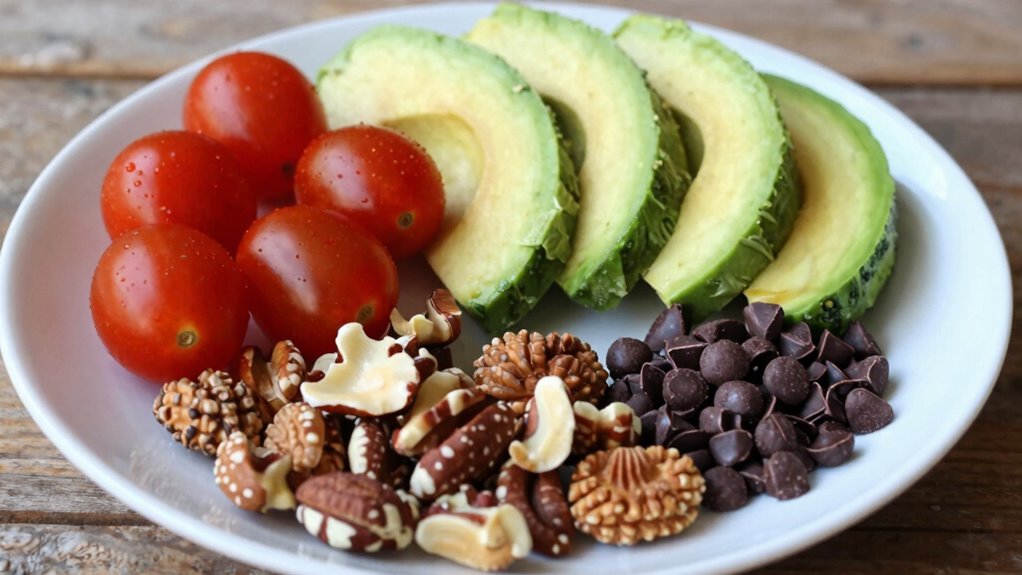
Have you ever found yourself thinking that if you slip up with your diet, the entire effort is ruined? It’s a common feeling, and it often leads to all-or-nothing thinking about food. You might tell yourself that one missed workout or one indulgent meal means you’ve failed entirely. But that mindset can do more harm than good, trapping you in cycles of guilt and restriction. Instead, try to adopt a more mindful eating approach, which encourages awareness and acceptance rather than judgment. When you focus on eating with intention and paying attention to how food makes you feel, you build a more balanced mindset. This helps you recognize that your choices don’t define your worth or your overall progress.
One slip-up doesn’t ruin your progress; embrace mindful eating and kindness toward yourself instead.
All-or-nothing thinking can make it seem like there’s no middle ground. You might believe that eating a cookie means you’ve blown your diet, so you give up entirely and go on a binge. But in reality, every meal is an opportunity to practice moderation and self-compassion. Instead of viewing food as good or bad, see it as nourishment—sometimes indulgent, sometimes wholesome. This perspective allows you to enjoy treats without guilt, knowing that one slip-up doesn’t undo all your hard work. It’s important to remember that progress isn’t linear; setbacks are normal. What matters most is how you respond to them. A balanced mindset recognizes that your worth isn’t tied to food choices or calorie counts.
Developing this mindset involves shifting your focus from perfection to consistency. When you eat mindfully, you become more in tune with your body’s signals, which helps prevent overeating or emotional eating. It’s about noticing hunger cues, savoring each bite, and acknowledging how different foods make you feel. With time, this practice cultivates a more compassionate relationship with food and yourself. Additionally, understanding the role of contrast ratio in visual quality can help you see that perfection isn’t always necessary for a satisfying experience—in the same way, your food choices don’t need to be perfect for your overall well-being. Recognizing that mindful eating is a skill that develops gradually can help make this transition easier. Incorporating natural cues can also support your journey toward balanced eating habits, emphasizing the importance of listening to your body rather than external rules. Moreover, being aware of cultural influences can help you develop a more realistic and accepting attitude towards your eating patterns.
Ultimately, avoiding all-or-nothing thinking requires patience and practice. Remember, your goal isn’t perfection but progress. By embracing mindful eating and fostering a balanced mindset, you’ll find it easier to make sustainable choices and enjoy your food without guilt. Over time, this approach helps you build a healthier, more relaxed relationship with eating, making it easier to maintain your goals without feeling deprived or defeated.
As an affiliate, we earn on qualifying purchases.
Frequently Asked Questions
Can All-Or-Nothing Thinking Lead to Disordered Eating?
Yes, all-or-nothing thinking can lead to disordered eating because it fuels cognitive distortions, making you see food and dieting in extremes. When you experience emotional triggers, this mindset can cause guilt or shame over minor slip-ups, reinforcing unhealthy habits. Recognizing these patterns helps you challenge distorted thoughts, promoting a balanced approach to food and reducing the risk of developing disordered eating behaviors.
How Do I Recognize When I’M Using All-Or-Nothing Thinking?
You recognize all-or-nothing thinking when your thought patterns involve cognitive distortions like “I failed” after eating one cookie or believing you must completely abstain or indulge. Pay attention to language that’s extreme or black-and-white. If you notice yourself thinking in absolutes—such as “always” or “never”—you’re likely caught in this pattern. Being mindful helps you challenge these distortions and develop healthier, more balanced perspectives.
Are There Specific Foods I Should Avoid to Prevent This Mindset?
You don’t need to avoid specific foods altogether; instead, focus on balanced choices. Incorporate healthy snack options like nuts or fruit, and use meal planning strategies to prevent feeling deprived. When you plan meals and snacks thoughtfully, you reduce the temptation to think in extremes. This approach helps you maintain a flexible mindset, avoiding all-or-nothing thinking, and promotes a healthier, more sustainable relationship with food.
How Can Mindfulness Help in Changing My Food-Related Thought Patterns?
Mindfulness helps change your food-related thought patterns by fostering mindful awareness, so you notice your thoughts without judgment. This allows you to recognize all-or-nothing thinking and gently redirect it through thought restructuring. By staying present during meals, you become more aware of hunger cues and emotional triggers, making it easier to challenge negative beliefs and develop a healthier, balanced attitude toward food.
What Role Does Support From Others Play in Overcoming This Thinking?
Did you know that people with strong social support are 50% more likely to stick to their health goals? Community encouragement and peer accountability play essential roles in overcoming all-or-nothing thinking. When you share your struggles, others motivate you, and you feel less alone. Their support helps you challenge rigid thoughts, fostering a balanced mindset. Engaging with a supportive network keeps you accountable, making healthier food choices easier and more sustainable over time.
As an affiliate, we earn on qualifying purchases.
Conclusion
So, next time you find yourself thinking in absolutes about food—either all in or all out—remember, moderation isn’t a monster. Ironically, allowing yourself some flexibility might just be the key to long-term peace and balance. After all, the secret isn’t perfection, but progress. So go ahead, indulge a little, and watch how your mindset softens. Who knew that giving yourself permission could be the ultimate power move?
self-compassion books for dieting
As an affiliate, we earn on qualifying purchases.
As an affiliate, we earn on qualifying purchases.
balanced diet meal prep containers
As an affiliate, we earn on qualifying purchases.
As an affiliate, we earn on qualifying purchases.
Halloween Picks
halloween
As an affiliate, we earn on qualifying purchases.