To start your journey toward healthy eating, focus on balancing your plate with all essential nutrients. Include fruits, vegetables, lean proteins, and whole grains, while staying hydrated and controlling portion sizes. Learn to read food labels and choose whole foods over processed options to reduce added sugars and unhealthy fats. Developing a meal plan and mindful eating habits helps you stay consistent. Keep exploring this guide to build a solid foundation for lasting, nutritious habits.
Key Takeaways
- Understand the importance of macronutrients (carbohydrates, proteins, fats) and how to balance them on your plate.
- Incorporate a variety of micronutrients, vitamins, and minerals from diverse whole foods to support overall health.
- Read food labels carefully to identify hidden sugars and choose nutrient-dense, minimally processed options.
- Practice portion control and prepare meals from scratch to manage intake and avoid overeating.
- Plan meals and develop sustainable habits like mindful eating and routine habits for long-term healthy eating.
Understanding the Basics of Macronutrients

Have you ever wondered what fuels your body during the day? It all comes down to macronutrients, which provide energy and support bodily functions. Carbohydrates are your body’s primary energy source, so choosing good carbohydrate sources like whole grains, fruits, and vegetables is essential. They give you sustained energy and help prevent crashes. Protein quality is equally important because it supplies amino acids needed for muscle repair, immune function, and enzyme production. High-quality proteins, such as lean meats, eggs, dairy, and legumes, contain all essential amino acids your body can’t produce on its own. Balancing these macronutrients ensures you get enough fuel without overdoing it. Understanding how carbohydrate sources and protein quality work together is key to maintaining a healthy, energized body. Attention to detail in selecting nutrient sources plays a vital role in optimizing your overall health and wellbeing.
The Role of Micronutrients in Your Diet

Micronutrients like vitamins and minerals are essential for maintaining your overall health. They support critical functions such as immune response, energy production, and cell repair. Including a variety of nutrient-rich foods guarantees you get these indispensable nutrients and enjoy their many health benefits. Additionally, a balanced diet should consider proper portion sizes to ensure optimal absorption and avoid deficiencies. Proper intake of micronutrients can also help prevent chronic diseases and promote long-term wellness.
Essential Vitamins and Minerals
Ever wondered why your body needs more than just carbohydrates, proteins, and fats? That’s where essential vitamins and minerals come in. These micronutrients support indispensable functions like immune health, energy production, and cell repair. Without enough vitamins, you risk vitamin deficiencies, which can cause fatigue, weakness, or more serious health issues. Minerals like iron and calcium are equally pivotal; lacking them might lead to anemia or bone problems. If your diet isn’t balanced, mineral supplements can help fill the gaps, but they shouldn’t replace whole foods. Incorporating a variety of fruits, vegetables, lean proteins, and whole grains ensures you get these nutrients naturally. Understanding the role of ethical hacking in security can help you appreciate the importance of safeguarding your personal health data. Recognizing nanotechnology and its potential applications in nutrition can also inspire innovative approaches to nutrient delivery. Additionally, being aware of keto diet tracking tools can assist you in maintaining proper nutrient ratios. For example, electric bikes exemplify how advanced technology can promote physical activity and healthy living. Moreover, advancements in biotechnology are opening new avenues for personalized nutrition plans tailored to individual needs. Remember, a well-rounded diet is your best defense against deficiencies and promotes overall health.
Micronutrients’ Health Benefits
Building on the importance of vitamins and minerals, understanding their specific health benefits highlights why they should be a regular part of your diet. Micronutrients offer powerful antioxidant properties that help protect your cells from damage caused by free radicals, reducing the risk of chronic diseases. They also play a crucial role in supporting your immune system, making you more resilient against infections. For example, zinc and vitamin C strengthen your body’s defenses, while iron keeps your energy levels up. Including a variety of nutrient-rich foods ensures you get enough of these essential micronutrients. Additionally, micronutrient absorption impacts how well you can see fine details in your food presentation, making meals more appealing and encouraging healthier choices. When your body efficiently absorbs these nutrients, it enhances overall nutritional balance and effectiveness. Improving water intake can further optimize nutrient absorption and overall health. Proper hydration also supports the functioning of necessary bodily processes, which is vital for maintaining health. By doing so, you boost your overall health, ward off illnesses, and maintain ideal function. Micronutrients truly are the tiny but mighty components of a balanced, healthy diet.
Building a Balanced Plate

Building a balanced plate isn’t just about portion sizes; it’s also about choosing nutrient-dense foods that provide maximum health benefits. How can you create a meal that fuels your body and satisfies your taste buds? Focus on plate composition by balancing your food groups. Aim to fill half your plate with fruits and vegetables—they provide essential vitamins, fiber, and antioxidants. One quarter should feature lean proteins like chicken, fish, beans, or tofu to support muscle and cell repair. The remaining quarter is for whole grains such as brown rice, quinoa, or whole wheat bread, giving you sustained energy. Incorporating a variety of these food groups can help you meet your nutritional goals and avoid common dietary mistakes. Remember, food group balance makes it easier to get a variety of nutrients without overeating. Use smaller portions of high-calorie items and prioritize nutrient-dense choices. Building a balanced plate isn’t about perfection but about making smarter, more informed decisions every time you sit down to eat.
The Importance of Hydration

Staying properly hydrated is essential for maintaining your overall health and ensuring your body functions at its best. Proper hydration supports electrolyte balance, which affects nerve function and muscle performance. To stay hydrated, you can adopt simple hydration strategies such as drinking water regularly, consuming hydrating foods like fruits and vegetables, and avoiding excessive caffeine or alcohol. Remember, thirst isn’t always a reliable indicator of dehydration, so proactive intake is key. Here’s a quick guide:
| Hydration Strategy | When to Use | Benefits |
|---|---|---|
| Drink water regularly | Throughout the day | Maintains fluid balance |
| Eat hydrating foods | With meals or snacks | Adds electrolytes naturally |
| Limit dehydrating drinks | During hot weather or exercise | Prevents electrolyte imbalance |
Additionally, incorporating wall organization solutions can help keep your space neat and promote a calm, stress-free environment that supports your overall well-being. Regularly monitoring your indoor air quality can also help in maintaining a healthy living environment.
Furthermore, paying attention to soulmate angel numbers can provide insights into your emotional well-being and readiness for love.
Smart Food Shopping and Meal Planning

Smart food shopping and meal planning are essential for maintaining a balanced diet and making healthy choices effortless. Start by creating a detailed grocery list before heading to the store, focusing on fresh produce, lean proteins, whole grains, and healthy fats. Planning your meals ahead of time helps you stick to nutritious options and reduces impulse buys. Incorporate meal prep routines by preparing ingredients in advance, which saves time during busy weekdays and ensures you have wholesome meals ready to go. When shopping, stick to your list to avoid processed or sugary foods. Keep your meals simple and balanced, and consider variety to cover all nutrient bases. Utilizing meal planning techniques can further streamline your shopping and cooking process, making healthy eating more manageable. With thoughtful planning and a clear grocery list, you’ll find it easier to stay on track with your healthy eating goals. Additionally, implementing organization strategies can help you maintain a clutter-free kitchen space, making meal prep more efficient and enjoyable. Moreover, understanding the importance of balanced nutrition can motivate you to choose nutrient-rich foods over quick-fix options. Incorporating knowledge about raw food can also inspire you to include more unprocessed options in your diet, enhancing overall health. Being aware of expiration dates and storage conditions for perishable items can help prevent food waste and ensure safety.
Tips for Reading Food Labels
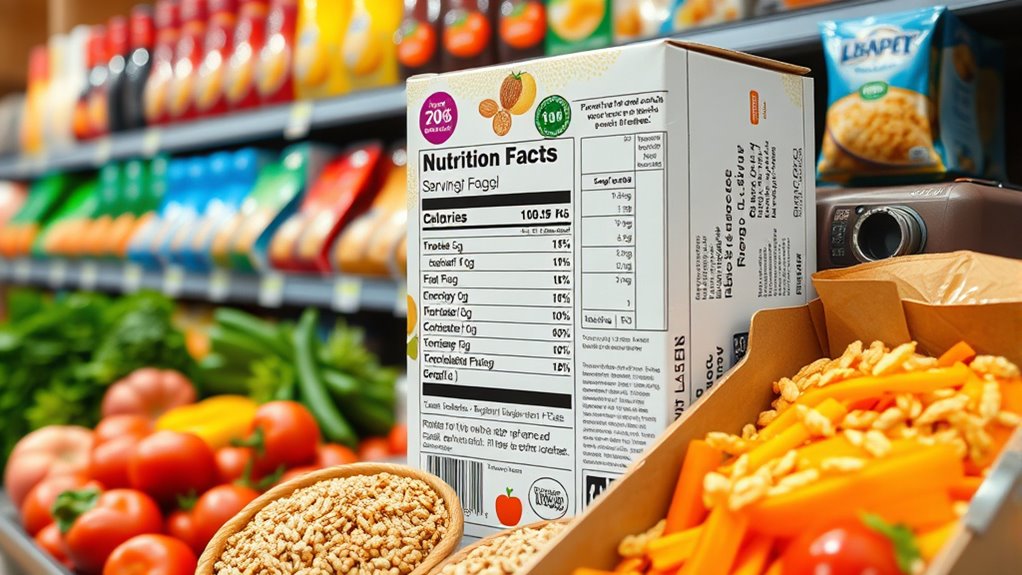
When you read food labels, start by checking the nutrient information to see what’s truly in your food. Be alert for hidden sugars that can add up quickly, even if they aren’t obvious. Also, pay attention to serving sizes so you can accurately compare and manage your intake.
Recognizing Nutrient Information
Reading food labels might seem complicated at first, but understanding how to recognize key nutrient information can help you make healthier choices. Start by familiarizing yourself with common food label terminology, such as serving size, calories, and daily value percentages. Pay attention to nutrient density—the amount of beneficial nutrients relative to calories—which indicates how nourishing a food is. Look beyond calories; check the amounts of fiber, protein, vitamins, and minerals to assess overall quality. Be wary of misleading claims and focus on the actual nutrition facts table. By mastering these skills, you’ll quickly identify foods that support balanced eating and avoid those with excessive unhealthy ingredients. Recognizing nutrient information empowers you to make informed decisions that align with your health goals.
Identifying Hidden Sugars
Have you ever checked the ingredients list for hidden sugars? Many processed foods contain added sugars that aren’t obvious. To improve your sugar detection, learn to read labels carefully. Look beyond the front package and examine the ingredients list for names like sucrose, high-fructose corn syrup, or cane sugar. Use this table to recognize common hidden sugars:
| Ingredient Name | Alternative Name |
|---|---|
| High-fructose corn syrup | Glucose-Fructose |
| Cane sugar | Beet sugar |
| Dextrose | Corn syrup solids |
| Maltose | Barley malt |
Spotting these helps you avoid excess sugar intake and make healthier choices. Remember, the key is to stay vigilant when it comes to sugar detection.
Understanding Serving Sizes
Ever wonder how to make sense of food labels quickly? Understanding serving sizes is key to practicing proper portion control. Food labels list nutritional info based on a specific serving size, which might be smaller or larger than what you typically eat. Always check the serving size first, so you can accurately gauge how many calories, sugars, and fats you’re consuming. Keep in mind that packages often contain multiple servings, so eating the whole thing could mean consuming more than one serving. By paying close attention to the serving size, you can better manage your intake and avoid overeating. Remember, accurate portion control helps you make healthier choices and stay aligned with your nutrition goals.
Incorporating Whole Foods Into Your Meals

Incorporating whole foods into your meals is a simple yet powerful way to boost your overall nutrition. Focus on choosing farm-to-table options whenever possible, as they tend to be fresher and more nutrient-rich. Opt for seasonal produce, which is harvested at its peak, offering better flavor and higher vitamin content. Incorporate colorful fruits and vegetables into your dishes, and consider swapping processed snacks for whole nuts, seeds, or grains. Preparing meals from scratch allows you to control ingredients and avoid preservatives. When shopping, read labels carefully to ensure you’re selecting minimally processed foods. By making small, intentional choices to include more whole foods, you’ll support better digestion, increased energy, and a more balanced diet overall.
Managing Portion Sizes and Mindful Eating

Managing portion sizes and practicing mindful eating are essential steps to prevent overeating and maintain a balanced diet. Portion control helps you avoid consuming too much food, which can lead to weight gain and health issues. Use smaller plates, check serving sizes, and listen to your body’s hunger cues to manage portions effectively. Mindful eating encourages you to pay close attention to how you feel during meals—savor each bite, eat slowly, and notice flavors and textures. This awareness helps you recognize true hunger and fullness, reducing the likelihood of mindless overeating. By combining portion control with mindful eating, you develop a healthier relationship with food, making it easier to stick to your nutritional goals and enjoy your meals without guilt or excess.
Staying Consistent and Making Sustainable Changes

Building on the habits of mindful eating and portion control, sustaining your progress depends on consistency and creating changes you can maintain long-term. Habit formation is key—you want to develop routines that become second nature, making healthy choices automatic. Effective goal setting helps you stay focused and motivated; set clear, achievable targets to track your progress and celebrate small wins. Remember, consistency doesn’t mean perfection; it’s about making steady efforts even when challenges arise. Adjust your goals as needed, ensuring they remain realistic and aligned with your lifestyle. By prioritizing sustainable changes over quick fixes, you’ll establish habits that last, making healthy eating an integral part of your everyday life.
Frequently Asked Questions
How Can I Balance My Meals if I Have Dietary Restrictions?
You can balance your meals despite dietary restrictions by focusing on meal planning and ingredient substitutions. Start by identifying suitable alternatives for restricted foods, like plant-based proteins if you’re vegetarian or gluten-free grains. Incorporate a variety of colorful vegetables, lean proteins, and healthy fats to guarantee nutrient diversity. Planning ahead helps you create well-rounded meals that meet your needs, making it easier to stay balanced without sacrificing flavor or nutrition.
What Are Healthy Snack Options to Complement My Diet?
You might think healthy snack ideas are boring, but there are plenty of nutrient-dense options to keep you satisfied. Grab some fresh fruit, like berries or an apple, paired with nut butter. Crunch on veggie sticks with hummus, or enjoy a handful of nuts and seeds. These snacks are easy to prepare, delicious, and give you the energy boost you need while complementing your diet perfectly.
How Often Should I Vary My Food Choices?
You should vary your food choices daily or at least weekly to promote meal rotation and guarantee dietary diversity. This variety helps you get a broad spectrum of nutrients and keeps your meals interesting. Incorporate different fruits, vegetables, grains, and proteins regularly. By doing so, you prevent nutritional gaps and enjoy a balanced diet. Make a habit of trying new foods to maintain a healthy, exciting eating pattern.
Are Supplements Necessary for a Balanced Diet?
Supplements aren’t usually necessary for a balanced diet if you fill your plate with a variety of nutritious foods. Think of dietary supplements as Band-Aids for nutritional gaps—useful only if your diet misses certain nutrients. If you’re eating well, your body’s toolkit is already stocked. But if you have specific health concerns or dietary restrictions, consulting a healthcare professional can help determine if supplements are needed to fill those nutritional voids.
How Can I Overcome Emotional Eating Habits?
You can overcome emotional eating by practicing mindful eating and recognizing emotional triggers. When you feel the urge to eat emotionally, pause and identify if you’re truly hungry or just reacting to feelings. Find healthier ways to cope, like walking or journaling. Paying attention to your emotions helps break the cycle, enabling you to make more conscious choices and develop a healthier relationship with food.
Conclusion
Think of your nutrition journey as tending a vibrant garden—you’re the gardener, nurturing each plant with care. By understanding the basics, choosing whole foods, and savoring mindful portions, you’ll cultivate a thriving, balanced diet. Every healthy choice adds color and vigor to your life’s landscape. Stay consistent, be patient, and watch your well-being blossom—because nourishing yourself is the most beautiful garden you’ll ever grow.