If you want effective supplements for fitness, focus on proven options like creatine, whey protein, and BCAAs to support muscle growth, strength, and recovery. Caffeine and beta-alanine can boost performance, while omega-3s and tart cherry juice help reduce soreness and inflammation. Always check for quality and safety certifications to avoid contaminants. Keep these strategies in mind, and you’ll discover how to make supplements work for your goals.
Key Takeaways
- Creatine, whey protein, and BCAAs are scientifically proven to support muscle growth, strength, and recovery.
- Supplements should complement a balanced diet and consistent training, not replace healthy habits.
- Proper timing and dosing, such as taking creatine post-workout and caffeine pre-workout, enhance effectiveness.
- Choose reputable brands with third-party testing and certifications to ensure safety and quality.
- Always consult healthcare professionals before starting new supplements and monitor responses for safety.
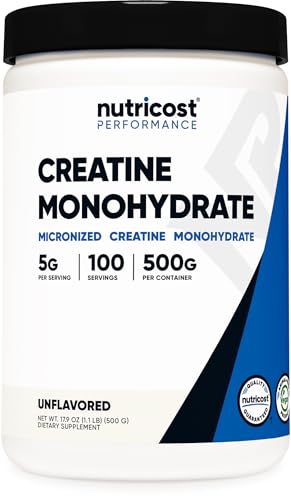
Nutricost Creatine Monohydrate Micronized Powder 500G, 100 Servings
- High-Quality Micronized Creatine: Micronized Creatine Monohydrate Powder
- Enhances Strength and Endurance: Supports Workout Performance
- Generous 500g Bottle: Contains 500 grams of Creatine
As an affiliate, we earn on qualifying purchases.
As an affiliate, we earn on qualifying purchases.
Understanding the Role of Supplements in Fitness

Have you ever wondered how supplements can enhance your fitness journey? Understanding their role starts with recognizing that they aren’t magic solutions but tools to support your goals. Your dietary restrictions, such as allergies or vegetarian preferences, influence which supplements are suitable for you. It’s vital to choose options that align with your needs. Additionally, supplement timing plays a pivotal role; taking products at the right moments, like before or after workouts, ensures maximum absorption and effectiveness. Supplements can fill nutritional gaps, boost energy, or aid recovery—but only when used thoughtfully. Remember, they complement a balanced diet and consistent training. Paying attention to supplement efficacy and timing helps you get the most benefit from your supplement routine and stay on track toward your fitness goals. Being aware of local resources and tools can also help you access quality supplements and professional advice to optimize your regimen.
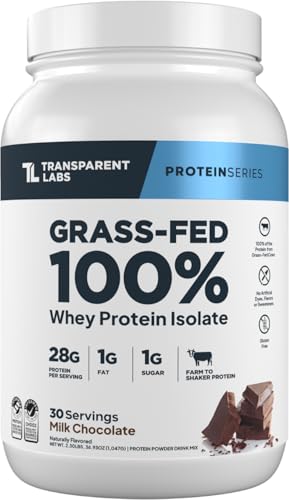
Transparent Labs Grass-Fed Whey Protein Isolate – Naturally Flavored, Gluten Free Whey Protein Powder with 28g of Protein per Serving & 9 Amino Acids – 30 Servings, Milk Chocolate
- Natural Flavors: Made from naturally-fed, hormone-free whey
- Gluten-Free: Free of gluten, artificial sweeteners, dyes, preservatives
- High Protein Content: 28g of protein per serving
As an affiliate, we earn on qualifying purchases.
As an affiliate, we earn on qualifying purchases.
Proven Supplements for Muscle Growth and Strength

To effectively build muscle and increase strength, incorporating proven supplements can make a significant difference. Many ingredient myths cloud what genuinely works, so focusing on evidence-backed options is key. Creatine monohydrate tops the list; it’s well-studied and proven to boost strength and muscle mass. Protein powders, especially whey, help meet daily protein needs and support growth. Beta-alanine and branched-chain amino acids (BCAAs) also show benefits when used correctly. Supplement timing matters—taking creatine and protein shortly before or after workouts maximizes their effects. Understanding AI in Education can also help tailor your nutrition and supplement storage for maximum shelf life and effectiveness. Proper supplement dosages are crucial to avoid wastage and ensure safety. Avoid falling for myths that certain ingredients are instant magic; consistency and proper use matter more. Stick to these proven supplements, and you’ll see better results in your muscle-building journey. Survivalism knowledge can also inform how to optimize your nutrition and supplement storage for maximum shelf life and effectiveness. Additionally, considering skin health and proper skin care routines can support overall well-being during intense training periods. Understanding nutritional strategies enhances your ability to support muscle growth.

Nutricost BCAA 1000mg, 500 Capsules (250 Serv), 2:1:1 Branched Chain Amino Acids (500mg of L-Leucine, 250mg of L-Isoleucine and L-Valine)
- Amino Acid Ratio: 2:1:1 Leucine to Isoleucine and Valine
- Capsule Count: 500 capsules, 250 servings
- Capsule Type: Easy to swallow capsules
As an affiliate, we earn on qualifying purchases.
As an affiliate, we earn on qualifying purchases.
Supplements That Aid in Recovery and Reduce Soreness

When you’re pushing your limits in the gym, recovery becomes just as important as the workout itself. Post workout recovery is essential to prevent injury and improve performance, and certain supplements can help speed up this process. Supplements like branched-chain amino acids (BCAAs) support muscle repair and reduce soreness. Omega-3 fatty acids also have anti-inflammatory effects, aiding soreness reduction techniques. Additionally, tart cherry juice is known for its antioxidant properties, helping to decrease muscle inflammation. Proper hydration and protein intake are critical, but these supplements can give you an extra edge. Using them consistently can shorten recovery time and minimize discomfort, so you’re ready for your next session faster and stronger. Incorporating evidence-based practices can further optimize your recovery strategy, including proper nutrition and hydration, which are key components of performance tuning that support overall athletic recovery. A focus on targeted supplementation can make a significant difference in achieving optimal results.
Furthermore, selecting vetted supplements with proven efficacy ensures your recovery regimen is both safe and effective.
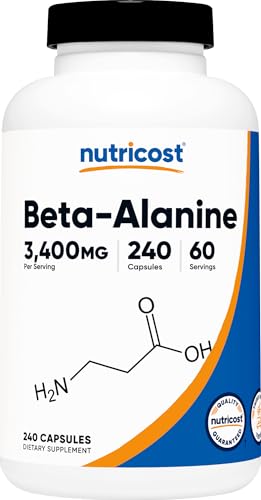
Nutricost Beta-Alanine Capsules 3400mg, 240 Capsules, 60 Servings
- Capsules per Bottle: 240 capsules for 60 servings
- Product Quality: Potent, high-quality Beta-Alanine
- Serving Size: 3400 mg per serving
As an affiliate, we earn on qualifying purchases.
As an affiliate, we earn on qualifying purchases.
Popular Performance-Enhancing Supplements and Their Effectiveness

Popular performance-enhancing supplements can give your workouts a significant boost, but their effectiveness varies depending on the ingredient and your individual goals. Creatine, caffeine, beta-alanine, BCAAs, and nitric oxide boosters are common choices. These supplements can enhance strength, focus, and endurance when used correctly. Keep in mind your dietary restrictions and how they influence supplement choices. Proper supplement timing—such as taking caffeine before a workout or creatine afterward—can maximize benefits. Visualize your routine with:
- A scoop of creatine mixed into your post-workout shake
- A caffeine boost 30 minutes before lifting
- Beta-alanine integrated into your pre-workout snack
- BCAAs sipped during training to delay fatigue
- Nitric oxide boosters promoting vascularity during reps
Incorporating scientific research into your supplement strategy can help you make informed decisions and optimize results. These strategies help you target specific goals efficiently. Understanding the role of AI in marketing can also help you tailor your fitness journey with personalized recommendations and real-time performance tracking. Incorporating generative AI insights into your training plan can further optimize workout routines and nutrition strategies. Additionally, considering exercise-specific needs can help you choose supplements that complement your training type.
Safety and Quality Considerations When Choosing Supplements

When selecting supplements, it’s crucial to check for ingredient transparency so you know exactly what’s inside. Look for manufacturing certifications that ensure quality and safety standards are met. Be aware of potential contaminant risks that could compromise your health, and choose products from reputable sources to minimize those dangers. Additionally, verifying quality control measures can help you choose a name that reflects your pet’s personality and breed, ensuring a good fit. Regularly reviewing regulatory compliance can also help ensure the supplement adheres to industry standards and legal requirements.
Ingredient Transparency Standards
Ingredient transparency is essential for ensuring your safety and confidence when choosing supplements. You want to know exactly what’s inside your product, which depends on clear ingredient sourcing and accurate label information. Look for brands that provide detailed ingredient lists, so you can verify each component. Clear labeling can help prevent misleading claims and ensure you’re getting what you expect. Imagine opening a supplement bottle and seeing: – Clear labels indicating all active and inactive ingredients – Verified sources for each ingredient, from reputable suppliers – No hidden fillers or questionable additives – Consistent, accurate labeling matching the actual contents – Certifications or third-party testing results confirming quality. Additionally, water parks exemplify the importance of transparency, as visitors rely on accurate information about rides and safety measures. These factors help you avoid contaminants, allergens, or ineffective ingredients. Prioritizing transparency guarantees you’re making informed choices and getting what you pay for, rather than a product with misleading claims or poor quality.
Manufacturing Certification Requirements
Have you ever wondered if your supplements are manufactured to the highest safety and quality standards? Ensuring this starts with understanding manufacturing standards and certification processes. Reputable supplement companies follow strict guidelines that meet or exceed industry regulations, such as Good Manufacturing Practices (GMP). These standards help prevent contamination, dosage inaccuracies, and mislabeled ingredients. Certification processes, like NSF International or USP verification, provide an extra layer of confidence, confirming that products are tested for quality and safety. When choosing supplements, look for labels indicating certification from recognized organizations. This ensures you’re getting products that have undergone rigorous testing and adhere to strict manufacturing standards, giving you peace of mind about their safety and effectiveness.
Potential Contaminant Risks
Choosing supplements carefully is essential because contaminants can compromise your safety and health. Contaminant detection is vital to guarantee products aren’t tainted with harmful substances. Ingredient adulteration can occur when manufacturers add unlisted or illegal ingredients to boost potency or misleadingly enhance effects. To avoid these risks, look for third-party testing and transparent sourcing. Visualize products with:
- Unusual or inconsistent ingredient lists
- Unfamiliar or unverified labels
- Powdery or sticky textures indicating possible contamination
- Off odor or discoloration
- Excessive or missing capsules compared to standard servings
Being vigilant helps you spot potential contaminant risks and make informed choices. Prioritize brands committed to safety, quality, and rigorous testing to protect your health and maximize your supplement’s benefits.
Integrating Supplements Into Your Fitness Routine Safely

To safely incorporate supplements into your fitness routine, it’s vital to start with thorough research and consult with healthcare professionals or registered dietitians. Consider your dietary restrictions, as certain supplements may contain allergens or ingredients incompatible with your diet. Pay attention to supplement timing; taking them at appropriate times can maximize benefits and reduce unwanted side effects. For example, some supplements are best consumed before workouts for energy, while others are more effective post-exercise for recovery. Always follow dosing instructions and monitor how your body responds. Avoid combining multiple supplements without guidance, as interactions can occur. By staying informed and seeking expert advice, you guarantee your supplement use supports your fitness goals safely and effectively.
Frequently Asked Questions
Are Supplements Necessary for Achieving Fitness Goals?
Supplements aren’t necessary for achieving your fitness goals, as natural remedies and alternative therapies often provide effective support. You can reach your targets through proper nutrition, consistent exercise, and adequate rest. While supplements may help, they shouldn’t replace healthy habits. Focus on a balanced diet first, then consider supplements if needed, but always consult a professional. Natural remedies and alternative therapies can complement your effort without relying solely on supplements.
How Do I Identify Genuine Supplement Brands?
Imagine sifting through a sea of bottles, each promising gains. To spot genuine brands, look for those with clear labels showing ingredient transparency. Check for brand authenticity by researching their reputation, reviews, and certifications. Trust brands that openly share their sourcing and manufacturing processes. Your goal is to guarantee safety and effectiveness, so prioritize reputable companies that stand behind their products with honesty and transparency.
Can I Rely Solely on Supplements for Muscle Gain?
You shouldn’t rely solely on supplements for muscle gain. Natural foods provide essential nutrients your body needs for recovery and growth, while training routines build strength and endurance. Supplements can support your goals, but they’re most effective when combined with a balanced diet and consistent training. Focus on proper nutrition first, then add supplements strategically to enhance your progress, not replace the fundamentals of fitness.
What Are the Long-Term Health Impacts of Common Supplements?
You might face long-term health impacts from common supplements if you don’t use them carefully. They can cause nutritional deficiencies if they replace balanced meals or are overused. Some supplements may increase chronic health risks like liver damage, heart issues, or kidney problems over time. To stay safe, always follow recommended dosages, consult a healthcare professional, and prioritize a balanced diet to minimize potential long-term risks.
How Do Supplements Interact With Medications?
You might think supplements don’t interact with medications, but they can affect supplement safety and cause harmful medication interactions. Always check with your healthcare provider before combining supplements and prescriptions. Some supplements may interfere with medication absorption, potency, or increase side effects. Being aware of these interactions helps protect your health and ensures safe supplement use. Never assume supplements are entirely safe alongside medications without professional guidance.
Conclusion
So, after all this talk about supplements, you might think they’re the magic bullet for fitness success. But remember, the real gains come from consistent effort, solid training, and good nutrition. Supplements can help—but only if you’re already doing the hard work. Ironically, chasing the perfect pill might distract you from the most effective methods. Focus on the basics first, and let supplements be just that—supplements, not substitutes.