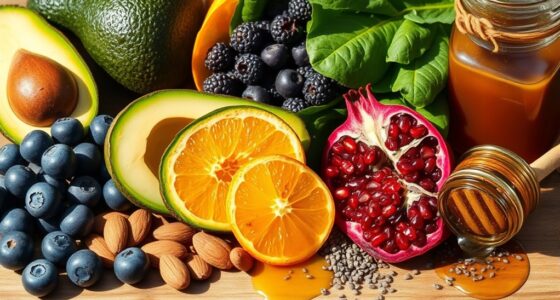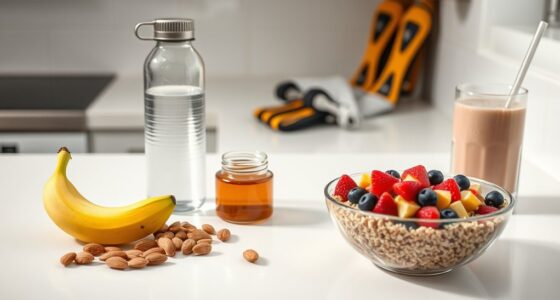

To boost your energy and improve your workout, focus on eating complex carbs like whole grains and starchy vegetables that release energy gradually, keeping you fueled longer. Incorporate hydrating fruits and veggies such as watermelons and cucumbers to stay hydrated. Add lean proteins like chicken or fish for muscle repair, and healthy fats like nuts and avocados for sustained energy. Timing your meals and snacks properly can maximize performance—learn how to optimize your nutrition for better results ahead.
Key Takeaways
- Consume complex carbohydrates like whole grains and starchy vegetables for sustained energy release during workouts.
- Stay hydrated with water-rich fruits and vegetables such as watermelon and cucumbers to enhance endurance.
- Incorporate lean proteins and healthy fats to support muscle recovery and maintain energy levels.
- Eat electrolyte-rich produce like spinach and bananas to prevent cramps and promote hydration.
- Time meals and snacks strategically before, during, and after exercise to optimize performance and recovery.
The Power of Complex Carbohydrates

Complex carbohydrates are essential for fueling your workouts because they provide sustained energy. They have a low glycemic index, meaning they release glucose gradually, helping you maintain steady blood sugar levels during exercise. Foods rich in complex carbs, like whole grains and starchy vegetables, are high in fiber content, which slows digestion and prolongs energy release. This steady supply prevents energy crashes and keeps you going longer. Unlike simple carbs, which cause quick spikes and drops in blood sugar, complex carbs support endurance and focus. Incorporating these into your diet before workouts can optimize performance. Pay attention to the glycemic index and fiber content, choosing foods that promote lasting energy and better exercise results. Additionally, understanding carbohydrate quality can help you select the most effective foods for sustained energy, especially when considering the types of carbs that best support your activity level. Being aware of the role of fiber can further enhance your dietary choices for optimal workout performance. For example, selecting foods with high fiber content can improve digestion and help maintain energy levels throughout your activity.
Protein-Packed Foods to Enhance Recovery

Including lean protein sources in your post-workout meals helps your muscles recover faster and stronger. Choosing foods like chicken, fish, or plant-based options provides the nutrients your body needs. By focusing on these recovery foods, you’ll maximize your workout results and feel better sooner. Incorporating healthy fats can further support energy levels and overall performance. Additionally, selecting foods with nutritional density ensures that your body receives a broad spectrum of essential nutrients to optimize recovery.
Lean Protein Sources
When aiming to improve recovery after a workout, choosing lean protein sources is essential. These foods help repair muscles without excess fat, supporting your fitness goals. Lean proteins include options like chicken breast, turkey, and fish, which are low in fat but high in quality protein. Plant-based proteins, such as lentils, beans, and tofu, provide a great alternative, especially if you prefer dairy alternatives or follow a vegetarian diet. Incorporating a variety of these sources ensures you get essential amino acids for muscle repair. Additionally, selecting dog breeds known for their intelligence and adaptability can inspire you to find enjoyable ways to include these proteins in your meals. Remember, lean proteins are versatile and easy to add to your meals. Including Vetted options like fish or plant-based proteins can enhance your nutritional intake and support your workout recovery. To further optimize your diet, paying attention to nutrient timing can maximize the benefits of your protein intake around workouts. Proper meal planning can help ensure you meet your nutritional needs consistently. Focusing on quality sources of protein, such as those that align with current nutritional guidelines, can help support your overall health and fitness goals. Focus on portion control to avoid excess calories. Combine different protein sources for complete amino acids. Use plant-based proteins and dairy alternatives to diversify your intake.
Post-Workout Recovery Foods
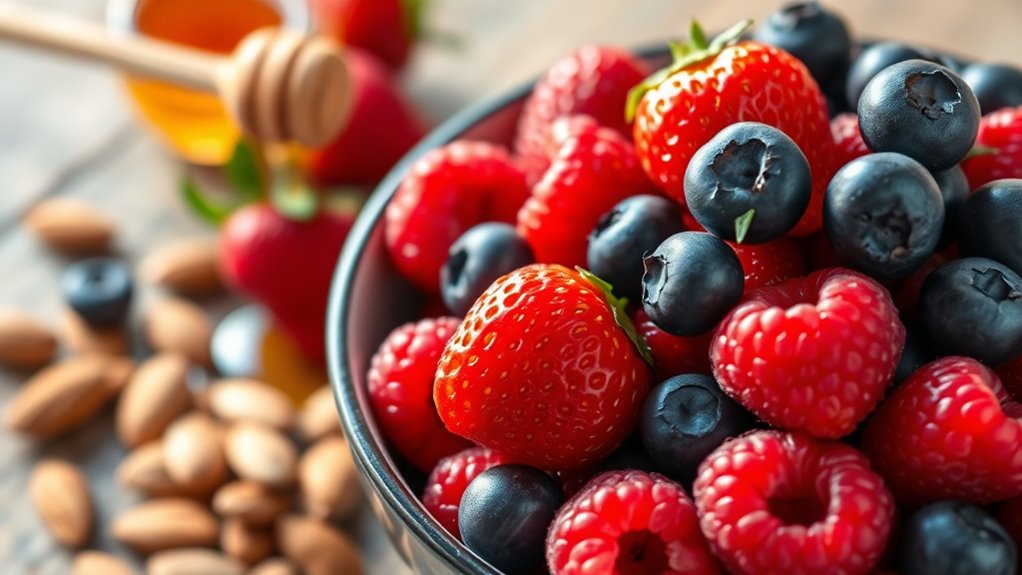
After a tough workout, your body needs the right nutrients to repair and rebuild muscle tissue. Prioritize protein-rich foods like Greek yogurt, lean meats, or plant-based options to support muscle recovery. These foods help reduce soreness and improve sleep quality, which is essential for ideal healing. Managing stress through nutritious post-workout meals also boosts recovery, as stress can hinder muscle repair. Incorporate foods high in antioxidants, such as berries and nuts, to combat inflammation and promote faster healing. Staying hydrated and consuming balanced carbs alongside protein further replenishes glycogen stores, enhancing overall recovery. Proper nutrition is crucial to optimize your body’s natural healing process and prevent fatigue. Using efficient heating solutions can help maintain a comfortable environment that supports optimal rest and recovery, especially during colder months. Additionally, aligning your recovery strategies with the Law of Attraction principles can help you maintain a positive mindset, which is beneficial for overall health and healing. Incorporating cybersecurity awareness into your routine can also help protect your personal health data and prevent potential breaches. Engaging in mindful attention during your meals can improve digestion and nutrient absorption, maximizing the benefits of your recovery foods. By focusing on these recovery foods, you support your body’s natural healing process, improve sleep quality, and manage stress levels, ensuring you’re ready for your next workout.
Healthy Fats for Sustained Energy
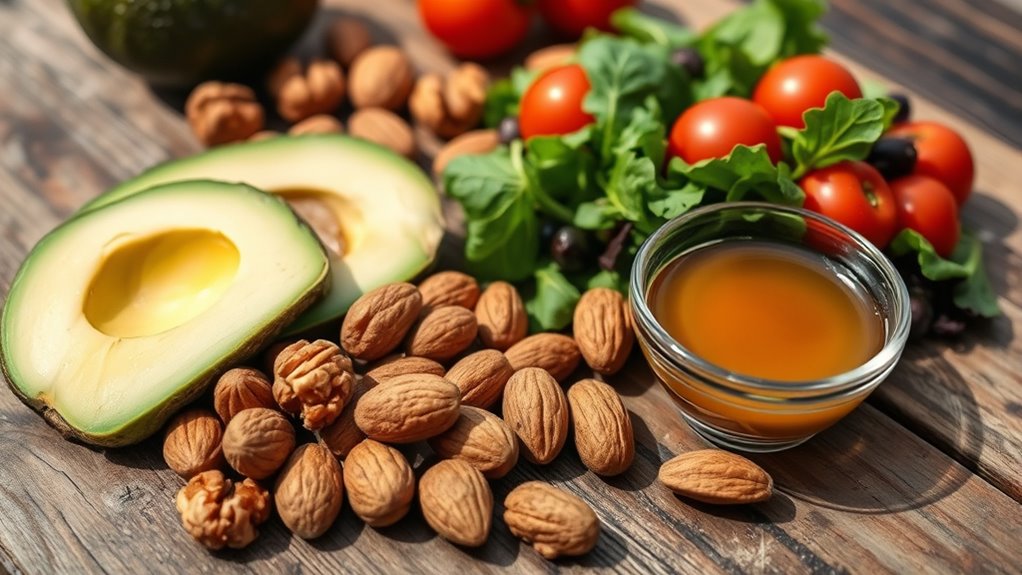
Healthy fats play a crucial role in maintaining your energy levels during workouts, providing a steady fuel source that keeps you going longer. They support nutrient absorption, guaranteeing your body efficiently utilizes essential vitamins and minerals. Incorporating dietary fats into your diet helps sustain energy and improves endurance. When choosing healthy fats, focus on sources rich in omega-3s and monounsaturated fats, which promote overall performance. Remember, not all fats are equal—opt for quality over quantity for ideal results. Including these fats in your meals can prevent energy dips and support muscle recovery. Consuming balanced amounts of healthy fats ensures your body has a consistent energy supply throughout your workout. To maximize benefits, prioritize nutrient-dense fats that fuel your activity and aid in recovery. Additionally, selecting dog names that reflect strength and vitality can be a motivating way to stay inspired during your fitness journey. Consuming healthy fats that are rich in antioxidants can also help reduce inflammation and promote faster recovery after intense exercise. Staying informed about nutrition science advances allows you to make smarter dietary choices tailored to your specific energy needs.
Hydrating Fruits and Vegetables
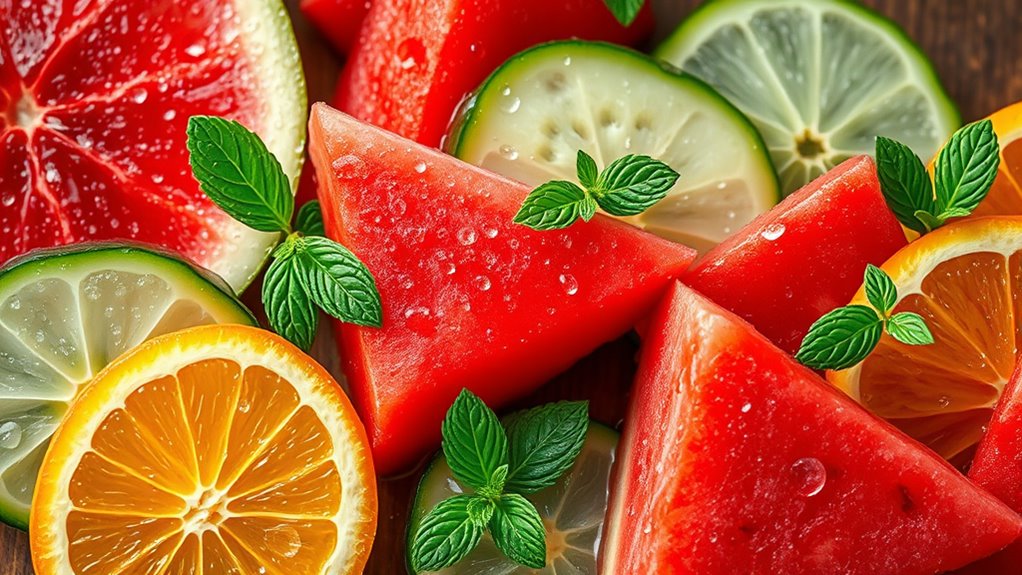
Staying hydrated is key for ideal performance, and water-rich fruits and vegetables can help you achieve that. Choosing produce like watermelon, cucumbers, and oranges boosts your hydration and replenishes electrolytes naturally. Incorporating these into your diet supports your body’s fluid balance and keeps you energized during workouts. Additionally, consuming hydration-focused foods can enhance your overall endurance and recovery. Eating a variety of fresh produce provides essential vitamins and minerals that support muscle function and reduce fatigue. Studies also show that optimal angles for pinball machines can improve game longevity and scoring potential, which is a fun reminder of how proper positioning and adjustments can impact performance, whether in gaming or physical activity.
Hydration Benefits for Athletes
Since fruits and vegetables have high water content, they play a crucial role in keeping athletes properly hydrated. Incorporating these foods into your diet supports hydration strategies by providing essential fluids and nutrients that help maintain electrolyte balance. They can be especially helpful during long workouts or intense training sessions. Consuming hydrating produce aids in replacing lost fluids and minerals, reducing fatigue and cramping. To maximize benefits, focus on fruits and vegetables rich in water and electrolytes.
- Include options like watermelon, cucumber, and oranges in your meals
- Use hydrating produce as snacks during activity
- Pair them with other hydrating foods for ideal electrolyte replenishment
Water-Rich Produce Choices
Water-rich produce options are excellent choices for staying hydrated during your workouts because they deliver high water content along with essential nutrients. Fruits like watermelon, strawberries, and oranges, as well as vegetables such as cucumbers, lettuce, and bell peppers, help keep you hydrated and energized. To make these produce items more appealing, experiment with flavor combinations like mint and lime or balsamic vinegar and cherry tomatoes. Cooking techniques such as gentle steaming or invigorating salads preserve their natural moisture and nutrients, enhancing hydration benefits without sacrificing flavor. Incorporating these produce options into your meals or snacks ensures you get both hydration and necessary vitamins, supporting your performance and recovery. Keep your diet colorful and hydrating with a variety of water-rich fruits and vegetables.
Electrolyte-Rich Vegetables
Electrolyte-rich vegetables are essential for maintaining proper hydration and muscle function during your workouts. They help replenish lost minerals and keep your energy levels steady. Vegetables like spinach, Swiss chard, and beet greens are excellent sources of potassium boost, supporting nerve signals and muscle contractions. Additionally, they serve as magnesium sources, which aid in muscle relaxation and prevent cramps. Incorporate these vegetables into your meals to optimize hydration and performance. Remember, staying balanced with electrolytes can improve endurance and recovery. To maximize benefits, include a variety of these vegetables regularly. They are not only nutritious but also versatile, making it easy to meet your electrolyte needs naturally. Prioritize these vegetables to stay energized and keep your muscles working smoothly.
Timing Your Meals for Optimal Performance

Timing your meals correctly can make a significant difference in your workout performance. Proper meal timing strategies help optimize digestion and performance, ensuring your body has the energy it needs without discomfort. Eating too close to exercise can cause sluggishness, while waiting too long may leave you fatigued. Ideally, consume a balanced meal 2-3 hours before training, focusing on carbs and protein. For shorter workouts, a small snack 30-60 minutes prior can boost energy. Here’s a quick guide:
| Timing | Ideal Foods |
|---|---|
| 2-3 hours before | Whole grains, lean protein, fruits |
| 30-60 minutes before | Banana, yogurt, energy bar |
| During workout | Hydration, easily digestible carbs |
| Post-workout | Protein shake, complex carbs |
Adjust based on your digestion and workout intensity for maximum results.
Snacks That Boost Endurance Between Sets
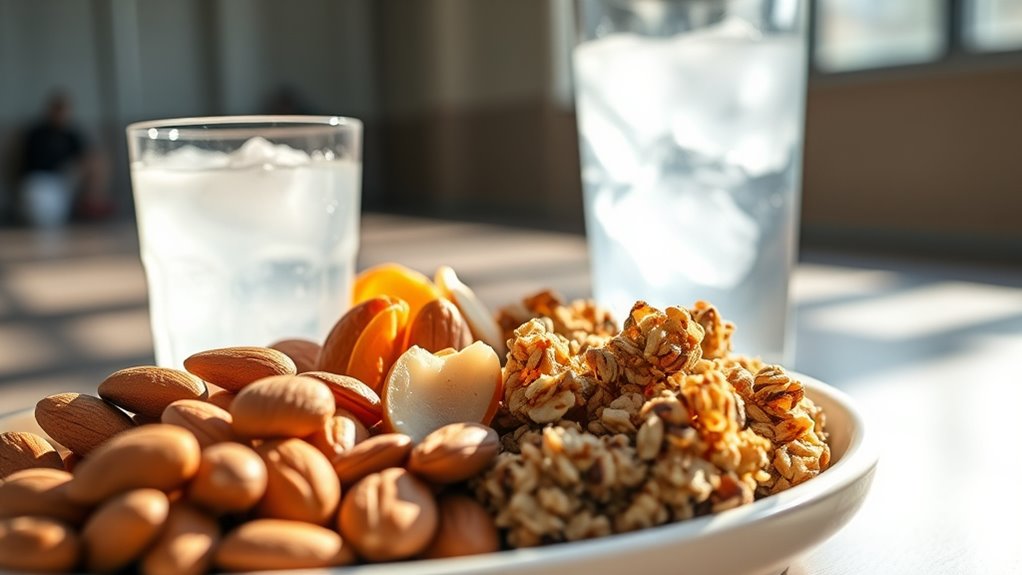
To maintain your stamina and push through multiple sets, choosing the right snacks between exercises is essential. Energy boosting snacks help replenish glycogen and delay fatigue, keeping your endurance high. Opt for foods rich in simple carbs and a touch of protein to sustain your energy levels. Endurance boosting foods like bananas, dates, or energy bars provide quick, accessible fuel. These snacks are easy to digest and won’t weigh you down during your workout.
- Fresh fruit like bananas or berries
- Energy bars with natural ingredients
- Small handfuls of dried fruits like dates or apricots
These options help you stay energized, prevent dips in performance, and maximize your workout efficiency. Incorporate these snacks to keep your energy levels consistent between sets.
Frequently Asked Questions
How Do I Balance Carbs, Protein, and Fats in My Pre-Workout Meal?
To balance carbs, protein, and fats in your pre-workout meal, focus on meal timing strategies and maintain proper macronutrient ratios. Eat 1-3 hours before exercise, including carbs for quick energy, moderate protein for muscle support, and healthy fats to sustain longer workouts. Adjust ratios based on your goals and workout intensity, ensuring your meal fuels you without causing discomfort. This approach optimizes performance and recovery.
Are There Specific Foods That Boost Energy Without Causing Crashes?
You can boost your energy without crashes by choosing natural energy boosters like nuts, seeds, or fruit, which provide sustained fuel. Opt for sugar alternatives such as honey or stevia to satisfy sweet cravings without the spike in blood sugar. These foods deliver steady energy, helping you stay focused and active during your workout. Incorporate them into your diet to maintain consistent energy levels without the dreaded crash afterward.
What Are Quick, Healthy Snack Options for an Energy Boost During Workouts?
For quick, healthy snack options that boost your energy during workouts, consider grabbing some energy-boosting snacks like bananas, trail mix, or Greek yogurt. These healthy munchies provide quick carbs, protein, and natural sugars that sustain your stamina. You could also try energy bars or apple slices with nut butter. These snacks are simple, satisfying, and designed to keep your energy levels high without causing crashes, helping you power through your workout.
How Much Water Should I Drink Before, During, and After Exercise?
You should drink about 17-20 ounces of water two to three hours before exercise, then sip 7-10 ounces every 10-20 minutes during activity. Afterward, rehydrate with 16-24 ounces within 30 minutes. Hydration myths suggest you need excessive water, but maintaining electrolyte balance is key. Listen to your body to prevent dehydration, and remember that overhydration can be just as harmful as dehydration.
Can Certain Foods Improve Mental Focus and Concentration During Workouts?
Did you know that consuming brain-boosting foods can enhance your mental focus during workouts? You can improve concentration by eating foods rich in omega-3s, blueberries, and nuts. These brain-boosting foods support neural function and cognitive clarity. Incorporate mental clarity tips like staying hydrated and taking short breaks. By doing so, you’ll stay sharper, more alert, and maximize your workout performance.
Conclusion
Think of your body as a high-performance engine—you fuel it right, and it’ll run smoothly and powerfully. By choosing the right foods, timing your meals, and snacking smartly, you’re tuning your energy levels for peak performance. Every bite is like adding fuel to this engine, helping you push harder and recover faster. Keep these tips in mind, and watch your workouts become unstoppable engines roaring to new heights.