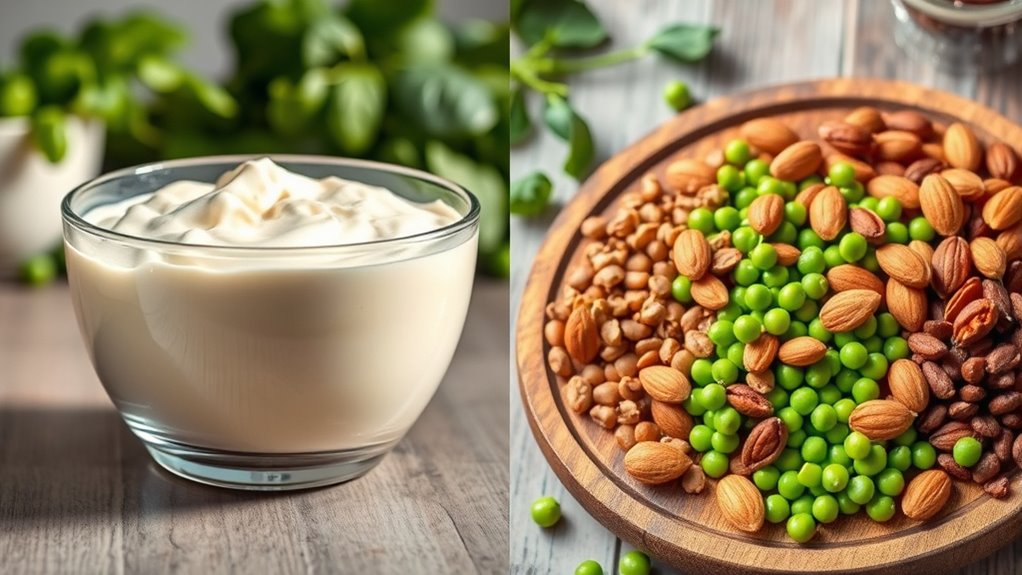

If you’re looking for quick muscle recovery and complete amino acids, whey protein might be better for you, especially after workouts. It absorbs fast and stimulates muscle growth effectively. However, if you prefer plant-based options, focus on blends that offer all essential amino acids and support digestive health. Both types can fit into your diet depending on your goals and preferences. To find out which suits you best, explore more about their benefits and differences.

Get workout gear delivered free — and shop member deals
- Fast, free delivery on millions of items
- Access to Prime Big Deal Days deals on October 6–7
- Prime Video, Amazon Music and more included
Key Takeaways
- Whey is a complete, quickly absorbed protein ideal for post-workout recovery and muscle synthesis.
- Plant proteins are often blended for completeness and support digestive health with higher fiber content.
- Whey may cause digestive issues for lactose intolerant individuals, while plant proteins are typically gentler on digestion.
- Whey suits those seeking rapid muscle repair; plant proteins are better for vegans and those with dairy allergies.
- Personal dietary preferences, health conditions, and recovery goals determine which protein type is more suitable.
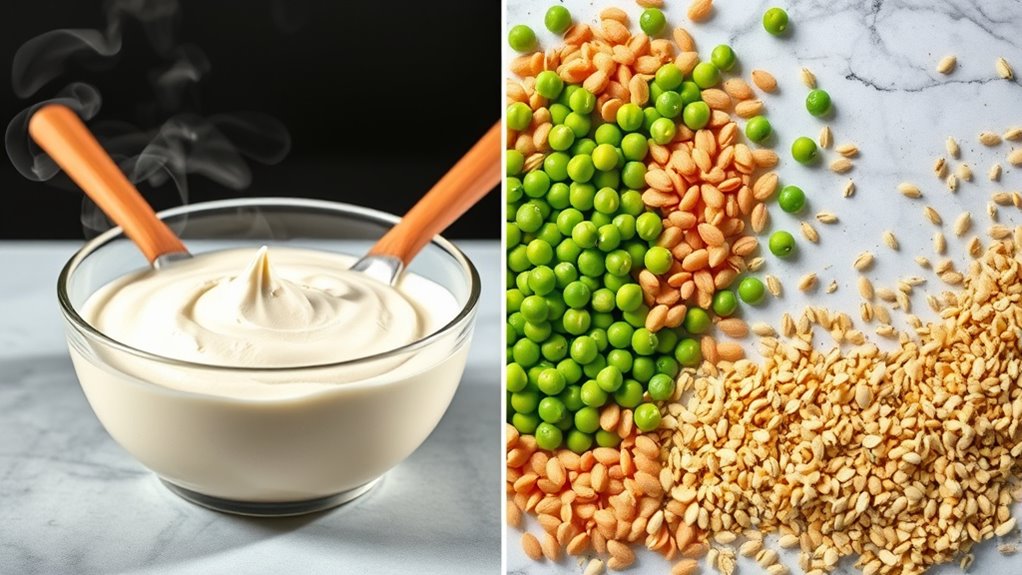
When choosing between whey protein and plant protein, understanding their differences can help you make an informed decision for your fitness goals. Both types have unique benefits, especially when it comes to muscle recovery and digestive health. Whey protein, derived from milk, is a complete protein that contains all nine essential amino acids. It’s quickly absorbed by your body, making it ideal for post-workout recovery. When you consume whey, you’re giving your muscles the rapid amino acid delivery they need to repair and grow, which can markedly enhance muscle recovery after intense exercise. Additionally, many people find whey easy to digest, especially those with a tolerant digestive system, allowing for smooth absorption without causing discomfort.
Whey protein offers rapid absorption and complete amino acids, ideal for post-workout muscle recovery.
On the other hand, plant proteins come from sources like peas, rice, hemp, and soy. While some plant proteins might lack one or two essential amino acids, many blends now offer a complete profile. They are often rich in fiber and antioxidants, which support overall digestive health. If you have a sensitive stomach or suffer from lactose intolerance, plant proteins can be gentler and less likely to cause bloating or gastrointestinal issues. They also tend to contain phytochemicals that promote gut health and reduce inflammation, contributing to better digestion over time.
When comparing muscle recovery, whey protein’s rapid digestibility gives it an edge, especially right after a workout when your muscles need quick nourishment. Its high leucine content is particularly effective at stimulating muscle protein synthesis. However, if you follow a plant-based diet or have dairy allergies, plant proteins can still be effective, especially when consumed in larger amounts or combined with other protein sources to guarantee you get all essential amino acids.
Digestive health is another vital factor. Whey can sometimes cause bloating or gas in sensitive individuals, particularly if they are lactose intolerant. Conversely, many plant proteins are high in fiber, which aids digestion and promotes a healthy gut environment. They also tend to be free from common allergens found in dairy, making them a safer choice for some people.
Ultimately, your choice depends on your personal health, dietary preferences, and fitness goals. If rapid muscle recovery is your priority and you tolerate dairy well, whey might be the better option. But if you’re aiming to improve digestive health or follow a plant-based lifestyle, plant protein offers a nutritious, sustainable alternative. Both can support your fitness journey, so consider your specific needs and preferences when deciding which protein type suits you best.
whey protein powder for muscle recovery
As an affiliate, we earn on qualifying purchases.
As an affiliate, we earn on qualifying purchases.
Frequently Asked Questions
Which Protein Type Is Better for Weight Loss?
You should choose whey protein for weight loss because it typically has a lower calorie content per serving and offers strong satiety effects, helping you feel full longer. Its fast absorption can support muscle retention during calorie deficits. Plant proteins are nutritious too, but often contain more calories and fiber, which may lessen their immediate impact on satiety. Focus on your overall diet and calorie intake for the best results.
Are There Any Allergens Associated With Whey or Plant Proteins?
Think of your body as a delicate fortress, and allergen risk as hidden invaders. Whey protein can trigger protein sensitivities or allergies, especially if you’re lactose intolerant, while some plant proteins, like soy or gluten, also pose allergen risks. Always check labels carefully, because these hidden allergens can sneak in. If you have food sensitivities, consult your healthcare provider to choose the safest protein options for your fortress.
How Do Amino Acid Profiles Differ Between the Two?
You’ll find that whey protein has a complete amino acid profile, making it highly effective for muscle growth. In contrast, plant proteins often lack some essential amino acids, so they’re less complete. However, by combining different plant sources, you can achieve amino acid completeness. Overall, whey provides a more balanced amino acid profile, but plant proteins can still support your needs with proper blending.
Can Vegans Safely Consume Whey Protein?
If you’re vegan, you can’t safely consume whey protein because it’s derived from dairy, which may conflict with dairy restrictions or vegan beliefs. Instead, look for vegan alternatives like pea, rice, or hemp protein, which are plant-based and free from animal products. These options provide similar protein benefits without compromising your dietary choices or ethical stance, ensuring you get the nutrients you need safely.
Which Protein Source Is More Sustainable Environmentally?
Imagine a lush green field where your plant protein grows, soaking up sunlight and nourishing the soil. Plant proteins generally have a lower environmental impact and support sustainability practices better than whey. They require less water, emit fewer greenhouse gases, and cause less land degradation. By choosing plant-based options, you actively reduce your ecological footprint, helping protect the environment for future generations. Your choice can make a meaningful difference in promoting sustainability.
plant-based complete protein supplement
As an affiliate, we earn on qualifying purchases.
As an affiliate, we earn on qualifying purchases.
Conclusion
Ultimately, choosing between whey and plant protein depends on your goals, preferences, and values. Whether you seek muscle growth, digestion ease, or ethical alignment, remember that your choice shapes your health, your environment, and your future. Embrace what fuels your body, supports your values, and enhances your life. Because when you choose with intention, you don’t just nourish your body—you empower your journey, your well-being, and your impact on the world.
As an affiliate, we earn on qualifying purchases.
As an affiliate, we earn on qualifying purchases.
Fall Picks
fall essentials
As an affiliate, we earn on qualifying purchases.