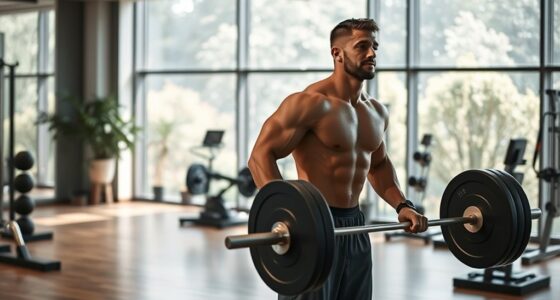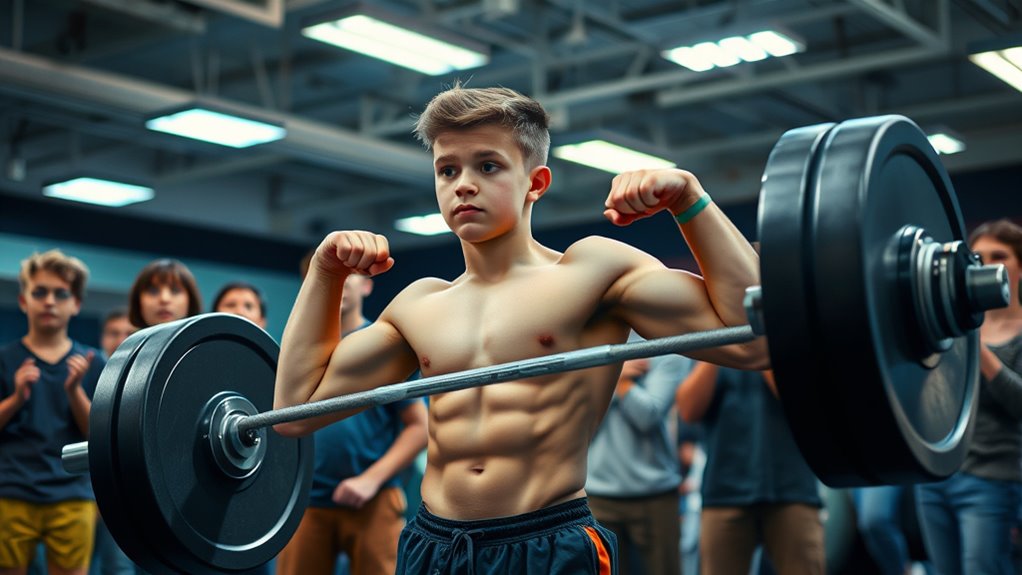

You might have heard that lifting weights stunts growth, but that’s a common myth. When done with proper technique and appropriate weights, resistance training actually supports your growth by strengthening muscles and bones. It stimulates bone development without risking damage to growth plates, especially if you start gradually. Genetics and growth plates primarily determine your height, not weightlifting. Want to uncover more truths about youth fitness and lifting? Keep exploring to get the facts straight.

Get workout gear delivered free — and shop member deals
- Fast, free delivery on millions of items
- Access to Prime Big Deal Days deals on October 6–7
- Prime Video, Amazon Music and more included
Key Takeaways
- Proper weightlifting with correct technique does not stunt growth in adolescents.
- Growth plates close after puberty, limiting height potential regardless of weightlifting.
- Resistance training stimulates bone growth and density, supporting overall skeletal development.
- Heavy lifting myths persist, but evidence shows it’s safe when performed appropriately.
- Weightlifting enhances muscle, bone strength, and posture without negatively impacting height.

Lifting weights is a proven way to promote growth, whether you’re aiming to build muscle, increase strength, or improve overall fitness. Many people worry that lifting heavy or training intensely might stunt their growth, especially during adolescence. However, this concern is largely a myth. When you lift weights properly, you actually support healthy muscle development and enhance bone density, both of which are critical for overall growth and strength. Engaging in resistance training encourages your muscles to grow stronger and larger, which in turn helps stabilize and support your bones. This synergy is essential for maintaining healthy bone density, preventing osteoporosis later in life, and fostering proper skeletal development.
Lifting weights supports healthy growth, boosts bone density, and encourages muscle development without stunting height.
It’s important to understand that growth in height is primarily governed by genetics and growth plates in your bones, which close after puberty. As long as you’re not lifting excessively heavy weights with improper form or risking injury, lifting weights won’t interfere with your natural growth process. Instead, it can promote the development of a strong musculoskeletal system. Properly designed training programs focus on correct technique, appropriate weight levels, and gradual progression, ensuring you maximize benefits without risking damage to growth plates.
Contrary to the myth that strength training stunts growth, evidence indicates that regular weightlifting can actually support bone health. The mechanical stress from lifting stimulates osteoblast activity, which promotes bone formation and increases bone density. This process makes your bones stronger and more resilient, reducing the risk of fractures and osteoporosis later in life. For adolescents and young adults, this means that lifting weights, when done safely, can be a valuable part of a healthy growth and development routine.
Additionally, lifting weights improves muscle development, which supports your overall posture, balance, and coordination. When your muscles are stronger and well-conditioned, they help carry your body properly, reducing strain on your joints and skeletal structure. This not only helps you grow taller in a healthy way but also enhances your athletic performance and everyday function.
Frequently Asked Questions
Can Weightlifting Help Increase Height After Puberty?
Weightlifting won’t increase your height after puberty because your growth plates have closed. However, it can help improve your posture and build muscle tension, making you appear taller and more confident. Proper lifting techniques strengthen muscles around your spine, supporting better alignment. While it doesn’t make you grow taller, weightlifting benefits your overall health and can help you maximize your current height by promoting good posture and muscle development.
Are There Specific Age Limits for Safe Weightlifting?
Imagine growth plates like delicate bridges in your bones, essential for height development. You should follow age restrictions for safe weightlifting, especially since these plates close after puberty. Younger kids and teens should lift with supervision, focusing on proper form, while adults can lift more freely. Always consult a trainer or healthcare professional to guarantee your routine supports healthy growth and avoids risks.
How Does Genetics Influence Height Regardless of Lifting Weights?
Genetics play a significant role in determining your height potential, regardless of how much you lift weights. Your genetic determinants influence your growth plates and overall stature, meaning lifting weights won’t alter your inherent height. While strength training benefits your health, it doesn’t override your genetic blueprint for height. Focus on proper nutrition and exercise to support your growth, but remember that genetics set the foundation for your ultimate height.
Is There a Difference Between Weight Training and Growth Stunt Risks?
You won’t risk growth stunting by weight training, but it can influence growth hormones positively. Properly structured lifting improves bone density and strengthens your skeleton, supporting healthy development. However, using excessive weights or improper form might cause injury, which could impact growth temporarily. Focus on correct technique and balanced routines to maximize benefits without risking your growth potential. Regular training with supervision helps make certain you’re safe and making healthy progress.
Can Proper Nutrition Enhance Growth Alongside Weightlifting?
Proper nutrition impacts your growth positively, especially when combined with weightlifting. Eating a balanced diet rich in proteins, vitamins, and minerals supports hormonal effects that promote bone and muscle development. Adequate calories fuel your workouts and recovery, ensuring you maximize your growth potential. By fueling your body correctly, you help your hormones function at their best, which aids in healthy growth without risking stunting or setbacks from weightlifting.
Conclusion
So, next time someone suggests lifting weights might stunt your growth, ask yourself: is that really the risk, or just a myth? With proper technique and moderation, strength training can actually support your overall development. Don’t let outdated beliefs hold you back from reaching your potential. Are you ready to embrace safe, effective workouts that boost your confidence and health without fear of growth setbacks? The choice is yours—embrace the truth and lift with purpose.
Fall Picks
fall essentials
As an affiliate, we earn on qualifying purchases.