
When you do HIIT, your body stays in an elevated calorie-burning state even after you finish. This happens because the intense bursts push your muscles to demand more oxygen and energy, triggering the afterburn effect. During recovery, your body repairs tissues and restores energy stores, which continues the calorie burn for hours—up to 24 hours in some cases. Keep exploring to discover how to maximize this powerful effect and boost your results even more.
Key Takeaways
- HIIT triggers the afterburn effect by pushing the body to near maximum effort in short intervals, increasing post-exercise calorie burn.
- During HIIT, the body repairs muscles and restores energy, sustaining elevated metabolism for hours after the workout.
- The afterburn effect causes calories to continue burning for up to 24 hours post-HIIT session.
- HIIT boosts resting metabolic rate over time, leading to higher calorie expenditure even at rest.
- Incorporating proper recovery strategies enhances the long-term benefits of HIIT’s calorie-burning afterburn effect.

When you finish a workout, your body continues to burn calories at an elevated rate long after you’ve cooled down, a phenomenon known as the afterburn effect. This process is your body’s way of recovering and restoring itself, and it results in a significant metabolic boost that enhances your overall calorie burn. High-Intensity Interval Training (HIIT) is especially effective at triggering this effect because it pushes your body to operate at near maximum effort during short bursts, followed by brief recovery periods. This intense effort causes your muscles to demand more oxygen and energy, which, in turn, ramps up your metabolism and keeps it elevated well beyond the workout itself.
During HIIT sessions, your body works hard to repair muscle tissue, replenish energy stores, and clear metabolic waste, all of which require additional calories. This increased demand for energy production is what sustains the calorie burn after you’ve stopped exercising. Unlike steady-state cardio, which may only keep your metabolism elevated during the workout, HIIT’s rapid intensity spikes create a longer-lasting afterburn effect. As a result, you continue to burn calories at an accelerated rate for hours, sometimes up to 24 hours after completing your session. This prolonged calorie burn is especially beneficial for weight loss and muscle maintenance because it maximizes the efficiency of your workout.
The metabolic boost from HIIT isn’t limited to just burning calories; it also helps improve your overall metabolic rate over time. As you consistently incorporate these high-intensity bouts into your routine, your body becomes better at using oxygen and breaking down fat for energy, leading to a higher resting metabolic rate. This means you’ll burn more calories even when you’re not exercising, creating a compounding effect that supports long-term weight management. Plus, the afterburn effect increases the efficiency of your workouts, allowing you to get more out of less time spent exercising.
In addition, incorporating proper recovery strategies can further enhance the benefits of HIIT and support your body’s ability to adapt and improve performance. In essence, the afterburn effect transforms your workout into a calorie-burning powerhouse. By engaging in HIIT, you’re not just burning calories during your session but also boosting your body’s ability to burn fat and calories long after you’ve finished. This metabolic boost makes HIIT a smart choice for anyone looking to maximize their calorie burn, improve fitness, and accelerate weight loss. The more consistently you incorporate high-intensity efforts into your routine, the more your body adapts, resulting in a more efficient metabolism that keeps working for you even when you’re at rest.
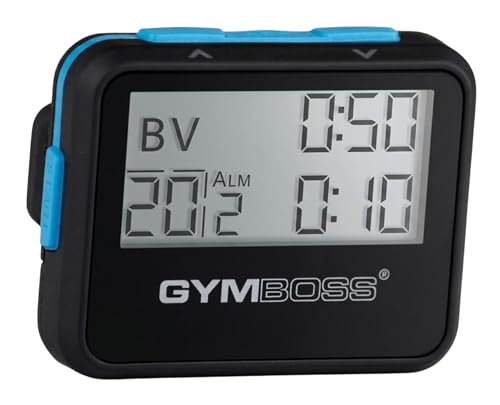
Gymboss Interval Timer and Stopwatch – Black/Blue SOFTCOAT
Compact interval timer times one or two intervals between two seconds and 99 minutes.
As an affiliate, we earn on qualifying purchases.
As an affiliate, we earn on qualifying purchases.
Frequently Asked Questions
How Long Does the Afterburn Effect Last?
The afterburn effect typically lasts from 24 to 48 hours after your workout, depending on the intensity and duration of your HIIT session. During this metabolic duration, your body continues to burn calories at an elevated rate, boosting your fitness timeline. To maximize this effect, incorporate regular HIIT workouts into your routine, and you’ll see faster progress toward your fitness goals as your metabolism stays active longer.
Can HIIT Be Safely Combined With Other Workouts?
Yes, you can safely combine HIIT with other workouts, even in cold weather. Just make certain you wear proper workout gear to stay warm and prevent injuries. Mix HIIT with strength training or steady-state cardio for variety and balanced fitness. Always listen to your body, start gradually, and give yourself enough recovery time. Proper warm-up and cool-down routines are essential, especially when working out in chilly conditions.
Does Age Affect the Afterburn Effect?
Age can influence the afterburn effect because metabolic variations happen as you get older. While your metabolism might slow down, HIIT still delivers a powerful calorie burn, making it an effective workout regardless of age. Younger individuals may experience a slightly more intense afterburn, but older adults can still enjoy significant benefits. Adjusting intensity and recovery helps maximize this effect, ensuring you keep torching calories well into your golden years.
How Does Nutrition Impact Post-Workout Calorie Burn?
Nutrition considerably impacts your post-workout calorie burn. If you focus on meal timing, eating protein and carbs soon after exercise can boost recovery and sustain the afterburn effect. A balanced macronutrient intake helps maintain your metabolism and supports muscle repair, which keeps your calorie burn elevated longer. Skipping proper nutrition or eating poorly can reduce the effectiveness of your post-exercise calorie expenditure and slow down your progress.
Is HIIT Suitable for Beginners or Those With Health Issues?
Jumping into HIIT might be a tall order at first, but it can work for beginners and those with health issues if you start slow. You should look for beginner modifications and listen to your body. Consult your doctor before jumping in, especially if you have health concerns. With patience and proper guidance, you can enjoy the benefits without overdoing it—it’s all about taking small steps.

Iron Series: Best Workout Music for HIIT High Intensity Interval Training & Dumbbells Workout
As an affiliate, we earn on qualifying purchases.
As an affiliate, we earn on qualifying purchases.
Conclusion
Now that you know how HIIT keeps burning calories even after your workout, you can harness the power of the afterburn effect. It’s like a secret weapon, working silently while you go about your day. So, push yourself a little harder, embrace the burn, and let your body do the work long after you’ve finished. Remember, every session is a step closer to a leaner, stronger you—burning bright, burning long.
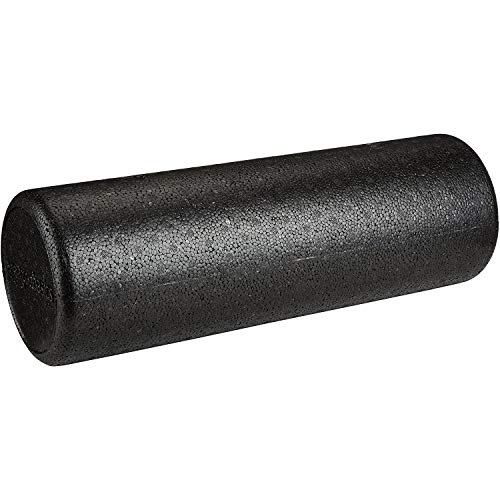
Amazon Basics High-Density Foam Roller for Exercise and Recovery, 18 Inches, Black
High-density foam roller in Black
As an affiliate, we earn on qualifying purchases.
As an affiliate, we earn on qualifying purchases.
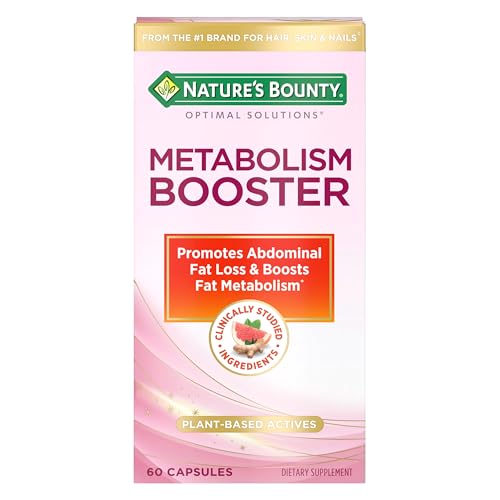
Nature’s Bounty Optimal Solutions Metabolism Booster Supplement, Boosts Fat Metabolism, Promotes Abdominal Fat Loss, With Citrus Extracts and Black Ginger, 60 Capsules
METABOLISM SUPPORT WITH PLANT-BASED ACTIVES: Nature’s Bounty Optimal Solutions Metabolism Booster is a 100% drug-free supplement designed to…
As an affiliate, we earn on qualifying purchases.
As an affiliate, we earn on qualifying purchases.