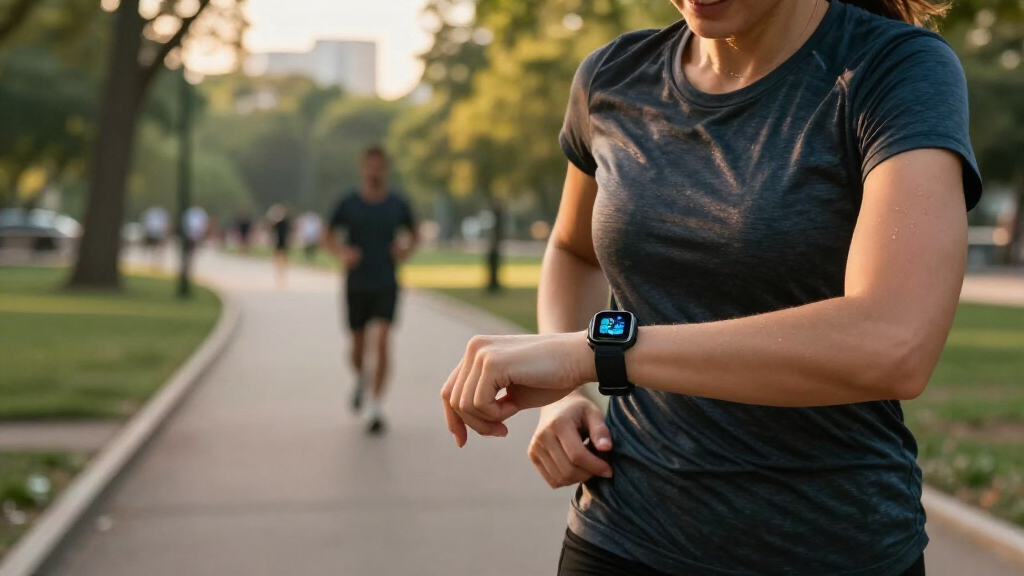

For most people seeking smart fitness trackers for workouts, I’d start with the Google Fitbit Charge 6 for its broader workout and health-tracking feature set. The Xiaomi Smart Band 11 models stand out for a larger AMOLED display, while the Fitbit Inspire 3 is a simpler, lighter option for everyday activity and exercise tracking. The main tradeoffs are screen size versus unobtrusive wear, feature depth versus simplicity, and whether you want a conventional band, ring, or screenless tracker. This roundup compares all 15 options by workout fit, usability, and practical limitations. Read on for the full breakdown and help matching a tracker to your training habits.

Get workout gear delivered free with Prime
- Fast, free delivery on millions of items
- Prime Video, Amazon Music and more included
- Member-only deals all year
Complete the kit


Key Takeaways
- Fitbit Charge 6 is the strongest all-around choice in this lineup for buyers who want a dedicated workout band with a broader feature set than a basic activity tracker.
- Xiaomi Smart Band 11 models lead on screen-first usability; their AMOLED displays make workout stats easier to check, though buyers should compare specific model details rather than assume every listing is identical.
- Fitbit Inspire 3 favors a lighter, simpler experience over the larger displays and more feature-heavy approach of the Xiaomi bands.
- Screenless bands and the BIEMHA smart ring suit different wear preferences, but discreet form factors can make live workout feedback less convenient.
- Several listings share C60 or Smart Band naming, so model identity and listed features matter more than color or title wording when comparing similar entries.
| Google Fitbit Inspire 3 Fitness Tracker with Small and Large Bands |  | Best Overall for Everyday Workouts | Display: Color touchscreen | Exercise modes: More than 40 | GPS: Via smartphone | VIEW LATEST PRICE | See Our Full Breakdown |
| Enfit Fitness Tracker Smart Watch, 1.47-Inch Color Screen, Black |  | Best for Broad Workout-Mode Selection | Display: 1.47-inch touchscreen | Sports modes: More than 100 | Water resistance: 3ATM; 30 meters | VIEW LATEST PRICE | See Our Full Breakdown |
| Bakoor C60 Fitness Tracker with 1.10-Inch AMOLED Display |  | Best for Phone-Connected Route Recording | Display: 1.10-inch AMOLED touchscreen | Sports modes: 25 | GPS: Connected GPS | VIEW LATEST PRICE | See Our Full Breakdown |
| ENGERWALL S5 Fitness Tracker with Heart Rate and Sleep Monitoring |  | Best Slim Tracker with Built-In USB Charging | Model: S5-Black | Sports modes: 16 | GPS: Connected GPS via app | VIEW LATEST PRICE | See Our Full Breakdown |
| BIEMHA Smart Ring Health Tracker, Rose Gold, Size 8 |  | Best Screen-Free Wearable for Recovery Tracking | Model: VR11 | Size and color: Size 8; Rose Gold | Health tracking: Sleep, activity, and heart rate | VIEW LATEST PRICE | See Our Full Breakdown |
| Smart Bracelet Health and Fitness Tracker – Black (No Subscription Fees) |  | Best for Long Battery Life | Display: Screen-free, analog | Battery life: Up to 35 days of use; up to 47 days standby | Charging time: About 2 hours | VIEW LATEST PRICE | See Our Full Breakdown |
| Xiaomi Smart Band 11 Fitness Tracker |  | Best for Bright Workout Readouts | Display: 1.72-inch AMOLED, 212 x 520 | Maximum brightness: 2000 nits | Battery life: Up to 21 days | VIEW LATEST PRICE | See Our Full Breakdown |
| Xiaomi Smart Band 11 Fitness Tracker, Black |  | Best for Wellness Tracking on a Display | Display: 1.72-inch AMOLED, up to 2000 nits | Battery life: Up to 21 days | Water resistance: 5ATM; 50 meters | VIEW LATEST PRICE | See Our Full Breakdown |
| Screenless Fitness Tracker Band with Sleep, Heart Rate, HRV and SpO2 Monitoring |  | Best for Phone-Connected Outdoor Workouts | Display: Screenless | Battery life: 20–30 days | Charging time: About 2 hours | VIEW LATEST PRICE | See Our Full Breakdown |
| Xiaomi Smart Band 11 Fitness Tracker, 1.72-Inch AMOLED Display, Mystic Rose |  | Best Colorway for Everyday Wear | Display: 1.72-inch AMOLED touchscreen | Color: Mystic Rose | Thickness: 9.99 mm, excluding PPG protrusion | VIEW LATEST PRICE | See Our Full Breakdown |
| Xiaomi Smart Band 11 Active Fitness Tracker |  | Best for Workout Variety on a Lightweight Band | Display: 1.47-inch TFT, 172 × 320 resolution, 60Hz | Workout modes: 50 | Battery life: Up to 21 days in light-use mode; up to 8 days in daily-use mode | VIEW LATEST PRICE | See Our Full Breakdown |
| Xiaomi Mi Smart Band 10 (2025) – 1.72″ AMOLED Display, 21-Day Battery Life, Touchscreen, Multi-Sport Tracker, Heart Rate Monitor, BT5.4 (Midnight Black) |  | Best for a Bright, Large Workout Display | Display: 1.72-inch AMOLED; up to 1500 nits HBM | Battery life: Up to 21 days; fast charging in 1 hour | Water resistance: 5ATM, up to 50 meters | VIEW LATEST PRICE | See Our Full Breakdown |
| Google Fitbit Air Screenless Activity Tracker, Obsidian |  | Best Screenless Pick for Focused Training | Display: Screenless | Battery life: Up to 7 days | Quick charging: Up to 1 day of battery life in 5 minutes | VIEW LATEST PRICE | See Our Full Breakdown |
| Fininv C60 Fitness Tracker with AMOLED Touchscreen |  | Best for Everyday Workout Basics | Screen: 1.1-inch AMOLED touchscreen | Health tracking: Heart rate, blood oxygen, sleep, and menstrual cycle | Activity tracking: Steps, distance, calories, and multiple sport modes | VIEW LATEST PRICE | See Our Full Breakdown |
| Google Fitbit Charge 6 Fitness Tracker, Obsidian/Black |  | Best for Phone-Free GPS Workouts | GPS: Built-in | Exercise modes: Over 40 | Features: Activity tracking, multisport tracking, ECG, contactless payments, and sleep monitoring | VIEW LATEST PRICE | See Our Full Breakdown |
| smart fitness trackers for workout | Water resistance | Battery life | Display | GPS |
|---|---|---|---|---|
| Google Fitbit Inspire 3 Fitnes | 50 meters | — | Color touchscreen | Via smartphone |
| Enfit Fitness Tracker Smart Wa | 3ATM; 30 meters | Up to 7 days, depending on use | 1.47-inch touchscreen | None |
| Bakoor C60 Fitness Tracker wit | IP68 | Up to 7 days | 1.10-inch AMOLED touchscreen | Connected GPS |
| ENGERWALL S5 Fitness Tracker w | IP68; not intended for prolonged immersion, hot baths, or saunas | Up to 5–7 days | — | Connected GPS via app |
| BIEMHA Smart Ring Health Track | Up to 80 meters | 2–3 days; over 5 days with charging case | — | — |
| Smart Bracelet Health and Fitn | IP68; up to 1.5 m | Up to 35 days of use; up to 47 days standby | Screen-free, analog | — |
| Xiaomi Smart Band 11 Fitness T | 5ATM; 50 meters | Up to 21 days | 1.72-inch AMOLED, 212 x 520 | No built-in GPS |
| Xiaomi Smart Band 11 Fitness T | 5ATM; 50 meters | Up to 21 days | 1.72-inch AMOLED, up to 2000 nits | No built-in GPS |
| Screenless Fitness Tracker Ban | IP68 | 20–30 days | Screenless | Connected GPS via smartphone |
| Xiaomi Smart Band 11 Fitness T | 5ATM; 50 meters | — | 1.72-inch AMOLED touchscreen | No built-in GPS; GPS geotagging functionality listed |
| Xiaomi Smart Band 11 Active Fi | 5ATM, up to 50 meters | Up to 21 days in light-use mode; up to 8 days in daily-use mode | 1.47-inch TFT, 172 × 320 resolution, 60Hz | Via smartphone |
| Xiaomi Mi Smart Band 10 | 5ATM, up to 50 meters | Up to 21 days; fast charging in 1 hour | 1.72-inch AMOLED; up to 1500 nits HBM | — |
| Google Fitbit Air Screenless A | Up to 50 meters | Up to 7 days | Screenless | Via smartphone |
| Fininv C60 Fitness Tracker wit | IP68 | Up to 7 days of regular use; 15 days standby | — | — |
| Google Fitbit Charge 6 Fitness | Water resistant to 50 meters | — | — | Built-in |
More Details on Our Top Picks
Google Fitbit Inspire 3 Fitness Tracker with Small and Large Bands
The Fitbit Inspire 3 is my strongest all-round pick here for people who want workout tracking alongside useful daily recovery context. It covers more than 40 exercise modes, tracks heart rate, and adds sleep, stress, and wellness measures, so a workout sits within a broader picture of activity and rest. Its 50-meter water resistance also gives it more stated depth protection than the Enfit’s 3ATM rating. Unlike the Bakoor C60, it relies on a nearby phone for GPS, so runners who want route recording need to bring their smartphone. The color touchscreen and two included band sizes make it a flexible everyday tracker, but some features require Fitbit Premium. I’d choose it over the simpler ENGERWALL S5 when breadth of exercise modes and sleep insights matter more than a built-in USB charger.
Pros:- More than 40 exercise modes cover a broad range of workouts.
- Combines workout tracking with automatic sleep and stress tracking.
- Water resistant to 50 meters.
- Includes small and large bands for a more adaptable fit.
Cons:- GPS depends on a nearby smartphone.
- Some features require a Fitbit Premium membership.
Best for: People who want a recognized tracker for varied workouts, sleep tracking, and daily wellness metrics, and who are comfortable carrying a phone for GPS.
Not ideal for: Runners who want phone-free route tracking or buyers who want every feature without a possible Fitbit Premium membership.
- Display:Color touchscreen
- Exercise modes:More than 40
- GPS:Via smartphone
- Water resistance:50 meters
- Connectivity:Bluetooth
- Compatible devices:iOS 16.4 or later; Android 11.0 or later
- Supported metrics:Heart rate, sleep duration, stress, and blood oxygen
- Included bands:Small and large
Our verdict“Choose the Inspire 3 if you want one tracker for varied workouts and everyday wellness, provided phone-connected GPS and possible subscription features suit you.”
Enfit Fitness Tracker Smart Watch, 1.47-Inch Color Screen, Black
The Enfit’s main appeal is its 100-plus sports modes, a notably larger selection than the 25 modes on the Bakoor C60 or 16 on the ENGERWALL S5. That breadth may suit people who switch between different activities and want a mode for each, while the 1.47-inch color touchscreen leaves room for notifications and customizable watch faces. It also tracks heart rate, blood oxygen, sleep, steps, distance, and calories, with battery life stated at up to seven days depending on use. The tradeoff is that this is not a route-tracking choice: it has no GPS, unlike the phone-connected GPS options in this roundup. Its 3ATM water resistance is rated to 30 meters, below the Inspire 3’s 50-meter specification. I’d pick it for mode variety, not for GPS-led outdoor training.
Pros:- More than 100 sports modes provide unusually broad activity selection in this group.
- 1.47-inch touchscreen provides a larger viewing area than the Bakoor C60.
- Tracks heart rate, blood oxygen, sleep, steps, distance, and calories.
- Battery life is stated as up to seven days, depending on use.
Cons:- No GPS for recording workout routes.
- 3ATM water resistance is rated to 30 meters, less than the Inspire 3’s 50-meter rating.
- Not compatible with PCs, iPads, or tablets.
Best for: Android or iPhone users who want a large selection of workout modes, a roomy screen, and basic health tracking without relying on route maps.
Not ideal for: Outdoor runners and cyclists who want GPS route recording, or buyers seeking the deeper workout and wellness feature mix of the Fitbit Inspire 3.
- Display:1.47-inch touchscreen
- Sports modes:More than 100
- Water resistance:3ATM; 30 meters
- Health tracking:Heart rate, blood oxygen, and sleep
- Battery life:Up to 7 days, depending on use
- Connectivity:Bluetooth 5.2
- Compatibility:Android and iOS smartphones
- GPS:None
Our verdict“Pick the Enfit if a wide choice of exercise modes and a larger screen matter more to you than GPS route tracking.”
Bakoor C60 Fitness Tracker with 1.10-Inch AMOLED Display
The Bakoor C60 earns its place for workouts that benefit from connected GPS route recording without requiring a tracker with built-in GPS. That makes it a better fit for mapped outdoor sessions than the Enfit, which has no GPS. Its 1.10-inch AMOLED touchscreen gives it a compact profile, while 25 sports modes cover a more focused range than the Enfit’s 100-plus. The C60 also tracks heart rate, activity, and sleep, and includes call and message notifications. Battery life is listed at up to seven days, with standby up to 15 days. The tradeoff is limited reassurance after purchase: the listed warranty is none, and health data is described as reference information rather than medical guidance. I’d favor it over the ENGERWALL S5 for route recording, but skip it if warranty coverage matters to you.
Pros:- Connected GPS can record routes when paired with a phone.
- AMOLED touchscreen in a compact 1.10-inch size.
- Tracks heart rate, activity, sleep, and 25 sports modes.
- Battery life is stated at up to seven days, with up to 15 days on standby.
Cons:- GPS is connected rather than standalone, so route recording depends on a phone.
- No warranty is listed.
- Health data is for reference and does not replace medical advice.
Best for: Phone-carrying walkers and runners who want workout route recording, a compact AMOLED display, and a focused set of sports modes.
Not ideal for: Buyers who require warranty coverage, a broad 100-plus mode selection, or standalone GPS that works without a phone.
- Display:1.10-inch AMOLED touchscreen
- Sports modes:25
- GPS:Connected GPS
- Water resistance:IP68
- Battery life:Up to 7 days
- Standby time:Up to 15 days
- Compatibility:Android 5.0 or later; iOS 9.0 or later
- Warranty:None listed
Our verdict“Choose the Bakoor C60 if phone-connected route tracking and a compact AMOLED screen suit your workouts, and the lack of a listed warranty is acceptable.”
ENGERWALL S5 Fitness Tracker with Heart Rate and Sleep Monitoring
The ENGERWALL S5 is a practical pick for buyers who prefer a slim tracker and do not want to keep track of a separate charging cable: it charges through a built-in USB connector. For workouts, it records 16 sports modes and offers connected GPS via the app, putting it ahead of the GPS-free Enfit for phone-paired route recording. Its sleep tracking separates fall-asleep, deep, light, and REM stages, and the listed metrics include heart rate, blood oxygen, blood pressure, and body temperature. That breadth should not be mistaken for clinical measurement; the product information says blood pressure monitoring must be enabled in the app. Compared with the Inspire 3, it has fewer exercise modes and a shorter stated water-resistance description. The 5–7-day battery estimate and conflicting details about whether a charging cable is included also make setup less clear.
Pros:- Slim design is suited to people who prefer a less bulky tracker.
- Connected GPS via the app supports phone-paired route tracking.
- Sleep tracking includes fall-asleep, deep, light, and REM stages.
- Built-in USB connector avoids relying on a separate charging cable.
Cons:- Offers 16 sports modes, fewer than the Inspire 3 and Enfit.
- Not intended for prolonged immersion, hot baths, or saunas.
- Product details conflict on whether a charging cable is included.
Best for: People who want a slim daily tracker with app-connected GPS, sleep-stage tracking, and a built-in USB charging connector.
Not ideal for: Swimmers seeking a clearly specified immersion rating, buyers who want more workout modes than the Inspire 3, or anyone who needs unambiguous charging-accessory details.
- Model:S5-Black
- Sports modes:16
- GPS:Connected GPS via app
- Water resistance:IP68; not intended for prolonged immersion, hot baths, or saunas
- Battery life:Up to 5–7 days
- Charging:Built-in USB connector
- Sleep tracking:Fall-asleep, deep, light, and REM sleep
- Warranty:1 year
Our verdict“Choose the ENGERWALL S5 if a slim profile and built-in USB charging matter more than a broad exercise-mode selection or a clearly stated swim rating.”
BIEMHA Smart Ring Health Tracker, Rose Gold, Size 8
The BIEMHA ring takes a different approach to workout support: it prioritizes sleep, daily activity, and heart-rate tracking in a screen-free form rather than offering the workout controls and mode selection of a band. Its heart rate is measured every 30 minutes, so it is better suited to broad daily and recovery monitoring than to frequent workout checks. That makes it less workout-focused than the Inspire 3, which offers more than 40 exercise modes, and it has no GPS for route recording. The ring’s stated water resistance of up to 80 meters is high, and no app subscription is required. Battery life is only 2–3 days without the charging case, though the case is said to extend use beyond five days. Sizing also needs care, and no warranty is listed.
Pros:- Screen-free ring format offers an alternative to the band-style Inspire 3 and Enfit.
- Tracks sleep, daily activity, and heart rate without an app subscription.
- Charging case is stated to extend use beyond five days.
- Water resistance is specified up to 80 meters.
Cons:- No GPS or listed workout-mode selection for route-focused training.
- Heart rate is measured every 30 minutes rather than continuously, according to the product data.
- Ring battery life is 2–3 days without the charging case.
- Sizing requires careful measurement, and no warranty is listed.
Best for: People who want a screen-free wearable for sleep and general activity tracking, do not need GPS, and prefer an app without a subscription.
Not ideal for: Runners who need route maps, athletes who want detailed workout modes or frequent heart-rate readings, and buyers unsure about ring sizing.
- Model:VR11
- Size and color:Size 8; Rose Gold
- Health tracking:Sleep, activity, and heart rate
- Heart-rate interval:Every 30 minutes
- Connectivity:Bluetooth
- Compatibility:iOS and Android
- Battery life:2–3 days; over 5 days with charging case
- Water resistance:Up to 80 meters
- GPS and subscription:No GPS; no app subscription required
Our verdict“Pick the BIEMHA ring for screen-free sleep and everyday tracking without a subscription, but choose a band such as the Inspire 3 for structured workout features.”
Smart Bracelet Health and Fitness Tracker – Black (No Subscription Fees)
For workout tracking with minimal screen time, this screen-free bracelet pairs 100+ sport modes with health metrics including heart rate, SpO₂, HRV, and stress. Its stated 35-day use battery life means fewer charging breaks than the Xiaomi Smart Band 11, which lists up to 21 days, and its app has no subscription fee. The tradeoff is a less immediate workout experience: there’s no screen for checking stats mid-session, and no built-in GPS for standalone route tracking. The listed blood-pressure readings are wellness data, not a substitute for medical measurement. I’d choose this over the screen-equipped Xiaomi when battery longevity and unobtrusive wear matter more than live feedback.
Pros:- Stated battery life of up to 35 days of use reduces charging frequency.
- Screen-free, lightweight design suits all-day wear.
- Tracks heart rate, blood pressure, SpO₂, HRV, sleep, and stress.
- Supports 100+ sport modes and has IP68 water resistance.
Cons:- No built-in GPS; outdoor location tracking requires another device or phone.
- No screen for viewing workout metrics or alerts on the band.
- Only 16 MB of internal storage is listed for activity history.
Best for: People who want a low-maintenance band for general activity and wellness tracking and are comfortable checking results in a phone app.
Not ideal for: Runners or cyclists who want route tracking without carrying a phone, or gym users who want to check workout stats on their wrist.
- Display:Screen-free, analog
- Battery life:Up to 35 days of use; up to 47 days standby
- Charging time:About 2 hours
- Water resistance:IP68; up to 1.5 m
- Sports modes:100+
- Connectivity:Bluetooth
- Compatibility:iOS and Android smartphones
- Band material:Nylon
- Memory:16 MB
Our verdict“Choose this bracelet over the Xiaomi Smart Band 11 if long battery life and screen-free wear matter more than on-band workout feedback or built-in GPS.”
Xiaomi Smart Band 11 Fitness Tracker
The Xiaomi Smart Band 11 is the strongest fit here for people who want to read workout information directly on their wrist. Its 1.72-inch AMOLED display reaches a listed 2000 nits, helping make stats easier to see outdoors than on a screen-free band such as the Smart Bracelet Health and Fitness Tracker. It also pairs 150+ sport modes with heart-rate, blood-oxygen, and sleep monitoring, while 5ATM water resistance supports swimming. Battery life is listed at up to 21 days, shorter than the bracelet’s claimed use time but still suited to buyers who dislike frequent charging. The key limitation for outdoor training is no built-in GPS; accurate route recording depends on a connected phone. I’d pick it for visible training feedback, not phone-free mapping.
Pros:- Large AMOLED touchscreen with listed peak brightness of 2000 nits.
- More than 150 sport modes for varied workouts.
- 5ATM water resistance supports swimming.
- Up to 21 days of listed battery life.
Cons:- No built-in GPS for standalone outdoor route tracking.
- Battery life is shorter than the screen-free bracelet’s stated 35-day use.
- The listed 212 x 520 resolution may limit fine detail on workout screens.
Best for: Swimmers and general fitness users who want a bright, wrist-readable display and many workout modes without charging every few days.
Not ideal for: Outdoor runners who want GPS routes recorded by the band itself, or buyers who prioritize the longest listed battery life over a screen.
- Display:1.72-inch AMOLED, 212 x 520
- Maximum brightness:2000 nits
- Battery life:Up to 21 days
- Water resistance:5ATM; 50 meters
- Sports modes:150+
- Health tracking:Heart rate, blood oxygen, and sleep
- GPS:No built-in GPS
- Weight:15.58 g
- Compatibility:Android 8.0+ and iOS 14.0+
Our verdict“Choose the Xiaomi Smart Band 11 if an easy-to-read display and swimming support matter more than phone-free GPS or maximum battery life.”
Xiaomi Smart Band 11 Fitness Tracker, Black
This black version of the Xiaomi Smart Band 11 suits buyers who want both workout tracking and a broader set of daily wellness measures on a wrist display. Alongside 150+ sport modes, its listed tracking includes heart rate, blood oxygen, sleep, and stress, giving it a wider wellness focus than the screen-free Smart Bracelet Health and Fitness Tracker’s less immediate, app-centered experience. The 1.72-inch AMOLED screen and up-to-21-day battery life make it a practical all-day option, while 5ATM resistance adds swimming to its use cases. The central compromise remains GPS: routes are not recorded by built-in GPS, so outdoor tracking relies on a phone. The listed 15.59 g weight excludes the strap, so it doesn’t represent the full worn weight.
Pros:- Tracks heart rate, blood oxygen, sleep, and stress.
- Bright 1.72-inch AMOLED display supports at-a-glance checks.
- More than 150 sport modes and 5ATM water resistance.
- Up to 21 days of listed battery life.
Cons:- No built-in GPS for independent outdoor route tracking.
- Listed weight excludes the strap, so actual worn weight is higher.
- The screen and touchscreen controls may not suit buyers seeking a screen-free tracker.
Best for: People who want one lightweight band for workouts, sleep, and stress tracking, and are willing to carry a phone for outdoor GPS.
Not ideal for: Phone-free runners seeking route tracking, or buyers who want a screenless band and the longest possible interval between charges.
- Display:1.72-inch AMOLED, up to 2000 nits
- Battery life:Up to 21 days
- Water resistance:5ATM; 50 meters
- Weight:15.59 g without strap
- Sports modes:150+
- Health tracking:Heart rate, blood oxygen, sleep, and stress
- GPS:No built-in GPS
- Memory:256 MB
- Compatibility:iOS 14 or later and Android
Our verdict“Pick this version over the screen-free bracelet if you want workout and wellness data on a display and can use your phone for GPS.”
Screenless Fitness Tracker Band with Sleep, Heart Rate, HRV and SpO2 Monitoring
This band is the screen-free pick for buyers who still want outdoor workout routes, provided they carry a smartphone. Its connected GPS uses the phone for location data, a useful distinction from the Xiaomi Smart Band 11, which also lacks built-in GPS but offers a wrist display for workout checks. The QwatchPro app adds wellness trends and AI insights without a subscription, and the band lists 170+ activity modes plus heart-rate, SpO₂, HRV, stress, and sleep tracking. Its stated 20–30-day battery life is less than the first screen-free bracelet’s 35-day use claim. There is no display for live stats, and the manufacturer says readings are for reference only, not medical use. I’d choose it for phone-assisted tracking and app-based trends, not phone-free navigation or medical monitoring.
Pros:- Connected GPS can record location-based activity when paired with a smartphone.
- Tracks heart rate, SpO₂, HRV, stress, sleep, and activity.
- Offers 170+ activity modes and a free companion app with wellness trends.
- Stated battery life is 20–30 days, with about two hours to charge.
Cons:- GPS depends on a connected smartphone rather than operating independently.
- No display for checking workout stats or alerts on the band.
- Readings are for reference only; the band is not a medical device.
Best for: Phone-carrying walkers, runners, and gym users who prefer a screen-free band but want connected GPS and app-based wellness trends.
Not ideal for: Athletes who want built-in GPS, at-a-glance workout metrics, or medical-grade health readings.
- Display:Screenless
- Battery life:20–30 days
- Charging time:About 2 hours
- Water resistance:IP68
- Sports modes:170+
- GPS:Connected GPS via smartphone
- Weight:25 g
- Compatibility:Android 4.4+ and iOS 9.0+
- App:QwatchPro; free, no subscription
Our verdict“Choose this over the Xiaomi Smart Band 11 if you prefer screen-free wear and will carry a phone for GPS, but skip it if you need live wrist stats.”
Xiaomi Smart Band 11 Fitness Tracker, 1.72-Inch AMOLED Display, Mystic Rose
The Mystic Rose Xiaomi Smart Band 11 has the same core workout profile as the black Smart Band 11: a 1.72-inch AMOLED touchscreen, more than 150 sports modes, and tracking for heart rate, blood oxygen, sleep, and stress. Its distinct appeal is the slim 15.6 g listed body and color choice for buyers who want a tracker that fits everyday wear as well as training. Compared with the screen-free Smart Bracelet Health and Fitness Tracker, it makes workout information easier to check on the wrist, but its battery is listed at up to 21 days rather than that bracelet’s longer claimed use. Neither option has built-in GPS, so the Xiaomi’s listed GPS geotagging does not make it a standalone route tracker. I’d select this version for its color and visible stats, not for a different GPS or training capability.
Pros:- 1.72-inch AMOLED touchscreen makes workout information viewable on the band.
- More than 150 sports modes, with heart-rate and blood-oxygen tracking.
- Tracks sleep and stress for everyday wellness context.
- 5ATM water resistance and a slim 9.99 mm body.
Cons:- No built-in GPS for standalone route tracking.
- Listed weight excludes the strap.
- Up to 21 days of battery life is shorter than the first screen-free bracelet’s stated use time.
Best for: Buyers who want a lightweight, display-equipped tracker for varied workouts and prefer the Mystic Rose finish for daily wear.
Not ideal for: Outdoor athletes needing built-in GPS, or shoppers who want the longest battery life and a screen-free design.
- Display:1.72-inch AMOLED touchscreen
- Color:Mystic Rose
- Thickness:9.99 mm, excluding PPG protrusion
- Weight:15.6 g without strap
- Water resistance:5ATM; 50 meters
- Sports modes:150+
- Sensors and tracking:Heart rate, blood oxygen, sleep, and stress
- GPS:No built-in GPS; GPS geotagging functionality listed
- Compatibility:iOS and Android smartphones
Our verdict“Choose this Mystic Rose version if you want the Xiaomi Smart Band 11’s on-wrist workout features in a lighter-looking everyday style, and don’t need built-in GPS.”
Xiaomi Smart Band 11 Active Fitness Tracker
The Xiaomi Smart Band 11 Active is a practical pick for people who want a broad menu of workouts without carrying a bulky watch. Its 50 workout modes cover varied training routines, while the 18 g tracker is light enough to wear through long sessions and overnight sleep tracking. Compared with the Fininv C60, it offers more stated workout modes and 5ATM water resistance, making it the more workout-oriented choice for pool sessions. The tradeoff is that it has a TFT display rather than the more vivid AMOLED screen on the C60 or the Xiaomi Mi Smart Band 10. Battery life reaches 21 days only in light-use mode, and daily-use life is listed at up to eight days. GPS requires a paired phone, so runners seeking phone-free route tracking should choose the Fitbit Charge 6 instead.
Pros:- 50 workout modes support a range of training styles
- 18 g tracker keeps wrist weight low during workouts
- 5ATM water resistance supports swimming and shallow-water activity
- Tracks heart rate, SpO2, sleep, stress, and women’s health
Cons:- GPS depends on a connected smartphone
- Battery life is listed at up to eight days in daily-use mode, well below the light-use figure
- TFT display is less vivid than AMOLED screens on the Fininv C60 and Xiaomi Mi Smart Band 10
Best for: Workout generalists who want many activity modes, a lightweight band, and swimming support without needing built-in GPS.
Not ideal for: Runners who want route tracking without a phone, or buyers who prioritize an AMOLED display and consistent outdoor visibility.
- Display:1.47-inch TFT, 172 × 320 resolution, 60Hz
- Workout modes:50
- Battery life:Up to 21 days in light-use mode; up to 8 days in daily-use mode
- Water resistance:5ATM, up to 50 meters
- Health tracking:Heart rate, SpO2, sleep, sleep breathing quality, stress, and women’s health
- GPS:Via smartphone
- Weight:18 g without strap
- Connectivity and compatibility:Bluetooth 5.3; Android 8.0 or later and iOS 14.0 or later
Our verdict“Choose the Smart Band 11 Active for lightweight, varied workouts and swimming, but skip it if you need phone-free GPS or an AMOLED screen.”
Xiaomi Mi Smart Band 10 (2025) – 1.72″ AMOLED Display, 21-Day Battery Life, Touchscreen, Multi-Sport Tracker, Heart Rate Monitor, BT5.4 (Midnight Black)
The Xiaomi Mi Smart Band 10 makes workout stats easier to read at a glance with a 1.72-inch AMOLED display rated to 1500 nits HBM. That larger, brighter screen is its clearest advantage over the smaller TFT panel on the Xiaomi Smart Band 11 Active, especially for checking metrics outdoors or between sets. It also pairs a stated 21-day battery life with one-hour fast charging, so it asks for fewer charging interruptions than the Google Fitbit Charge 6, whose standout advantage is built-in GPS. Xiaomi’s sports tracking includes a swimming compass and 5ATM water resistance, but the band still relies on a phone for location data. The supplied app information also flags metric-only support, which may frustrate buyers who want imperial units without another app. Its best fit is display-first training, not phone-free route recording.
Pros:- Large 1.72-inch AMOLED display with up to 1500 nits HBM brightness
- Stated 21-day battery life and one-hour fast charging
- 5ATM water resistance and sport tracking that includes a swimming compass
- Bluetooth 5.4 connectivity
Cons:- No built-in GPS; location tracking relies on a connected phone
- Xiaomi Fit is described as metric-only, which can complicate everyday use for imperial-unit users
- Its larger screen prioritizes readability over the lighter, smaller form of the Smart Band 11 Active
Best for: Outdoor exercisers and gym users who want a large, bright screen for checking workout information and long stated battery life.
Not ideal for: Runners who leave their phone behind, or users who want imperial measurements directly in the Xiaomi Fit app.
- Display:1.72-inch AMOLED; up to 1500 nits HBM
- Battery life:Up to 21 days; fast charging in 1 hour
- Water resistance:5ATM, up to 50 meters
- Connectivity:Bluetooth 5.4
- Operating system:Xiaomi HyperOS 2
- Sensors:Heart rate monitor, sleep monitor, and blood oxygen
- Sport modes:Cycling, diving, fitness, multi-sports, and skiing
- Band material:Fluoroelastomer
Our verdict“Pick the Mi Smart Band 10 if screen readability and long battery life matter more than phone-free GPS or compact size.”
Google Fitbit Air Screenless Activity Tracker, Obsidian
The Google Fitbit Air takes a different approach from display-led bands such as the Xiaomi Mi Smart Band 10: it has no screen, keeping workout tracking free from wrist notifications and on-device metric checks. That suits people who want to focus on movement and review activity later in a compatible phone app. Its sensor set includes optical heart rate, an accelerometer, a gyroscope, and red and infrared SpO2 sensors, while water resistance up to 50 meters makes it suitable for swimming. Quick charging is a useful safety net: five minutes provides up to a day of battery life, though total battery life is listed at up to seven days—shorter than either Xiaomi band. GPS uses a smartphone, and personalized coaching through Google Health may involve a separate Premium subscription. Skip it if you want workout stats visible during training or built-in GPS.
Pros:- Screenless design avoids visual distractions during workouts
- Tracks activity, heart rate, sleep, and SpO2-related metrics
- Water resistance up to 50 meters
- Five-minute quick charge provides up to one day of battery life
Cons:- No screen for checking workout data while exercising
- GPS functionality relies on a smartphone
- Personalized coaching through Google Health may require a separate Premium subscription
Best for: People who want a discreet, screen-free tracker for activity, heart rate, sleep, and swimming, and are comfortable checking results on a phone.
Not ideal for: Athletes who need live on-wrist workout metrics, built-in GPS, or longer battery life than the listed seven days.
- Display:Screenless
- Battery life:Up to 7 days
- Quick charging:Up to 1 day of battery life in 5 minutes
- Water resistance:Up to 50 meters
- Sensors:Optical heart rate monitor, 3-axis accelerometer, gyroscope, device temperature sensor, and red and infrared SpO2 sensors
- Band size:130–210 mm
- Compatibility:Android 11.0 or higher; iOS 16.4 or higher
- GPS:Via smartphone
Our verdict“Choose the Fitbit Air if you want low-distraction tracking and phone-based review; choose the Xiaomi Mi Smart Band 10 if you want workout stats on your wrist.”
Fininv C60 Fitness Tracker with AMOLED Touchscreen
The Fininv C60 is a straightforward option for buyers who want core activity and health tracking on a compact touchscreen band. Its 1.1-inch AMOLED screen supports customizable watch faces, and its tracking covers heart rate, blood oxygen, sleep, steps, distance, calories, and multiple sport modes. Compared with the Xiaomi Smart Band 11 Active, it offers a smaller AMOLED display but the supplied details do not specify an equivalent 50-mode workout selection or 5ATM rating. Its IP68 water resistance is a different rating, so I would not treat it as interchangeable with the Xiaomi’s stated swimming specification. The listed up-to-seven-day regular-use battery is shorter than the Xiaomi bands’ figures. Phone notifications and menstrual cycle tracking add everyday utility, but setup depends on the Keep Health app and phone pairing. This is a basics-first pick, not the strongest choice for serious swim or GPS-focused workouts.
Pros:- 1.1-inch AMOLED touchscreen with customizable watch faces
- Tracks heart rate, blood oxygen, sleep, steps, distance, and calories
- Includes multiple sport modes and menstrual cycle tracking
- Call, text, and supported social app notifications
Cons:- Battery life is listed at up to seven days of regular use, shorter than the Xiaomi bands’ stated figures
- IP68 rating is not specified as a 5ATM swim rating
- Setup requires the Keep Health app and phone pairing
Best for: New or casual exercisers who want a small AMOLED display, basic activity tracking, health metrics, and phone notifications.
Not ideal for: Swimmers seeking a stated 5ATM rating, runners who want built-in GPS, or athletes who need detailed workout specifications.
- Screen:1.1-inch AMOLED touchscreen
- Health tracking:Heart rate, blood oxygen, sleep, and menstrual cycle
- Activity tracking:Steps, distance, calories, and multiple sport modes
- Water resistance:IP68
- Battery life:Up to 7 days of regular use; 15 days standby
- Charging:Magnetic charging; 1–2 hours to fully charge
- Compatibility:Android 5.0 or later; iOS 9.0 or later
- Notifications:Calls, SMS, and supported social apps
Our verdict“The C60 suits casual users who want a compact AMOLED tracker for daily movement, but workout-focused swimmers should favor the Xiaomi Smart Band 11 Active.”
Google Fitbit Charge 6 Fitness Tracker, Obsidian/Black
The Google Fitbit Charge 6 earns its place for workout tracking that does not depend on carrying a phone: its built-in GPS gives it a practical advantage over the Xiaomi Smart Band 11 Active and Mi Smart Band 10, both of which rely on a smartphone for location data. It also offers over 40 exercise modes, heart-rate and activity tracking, and features such as ECG, Google Maps directions, Google Wallet, and YouTube Music controls. That wider feature set makes it more versatile than the simpler Fininv C60, but it may be more than a casual exerciser needs. The included Google Health Premium trial does not remove the ongoing subscription cost for premium features, and the supplied data does not state battery life. Choose it for GPS and connected tools; skip it if a long, clearly specified battery life is your main priority.
Pros:- Built-in GPS supports location tracking without a connected phone
- Over 40 exercise modes and multisport tracking
- Includes ECG and tracks heart rate, SpO2, sleep, and other health metrics
- Google Maps directions, Google Wallet, and YouTube Music controls add workout-day convenience
Cons:- Google Health Premium subscription is sold separately after the included three-month trial
- Battery life is not specified in the supplied product data
- The feature set may be excessive for buyers seeking a simple activity band like the Fininv C60
Best for: Runners and outdoor exercisers who want built-in GPS, multiple exercise modes, and connected features such as maps and payments.
Not ideal for: Buyers who prioritize a stated long battery life, want to avoid ongoing premium-service costs, or only need basic step and sleep tracking.
- GPS:Built-in
- Exercise modes:Over 40
- Features:Activity tracking, multisport tracking, ECG, contactless payments, and sleep monitoring
- Sensors:Heart rate, SpO2, accelerometer, gyroscope, GPS, temperature, and ambient light
- Water resistance:Water resistant to 50 meters
- Connectivity:Wi-Fi and Bluetooth
- Band and case materials:Silicone band; stainless steel or metal case
- Included membership:Three-month Google Health Premium trial
Our verdict“Pick the Charge 6 if phone-free GPS and connected workout tools matter most, but look to a Xiaomi band if battery-life information and simplicity lead your priorities.”
How We Picked
I ranked these trackers by how well their stated features support real workout decisions: checking activity during a session, tracking common exercise, and reviewing health or recovery data afterward. I also weighed display readability, wear style, ease of use, battery claims where supplied, and whether the product appears suited to regular training or mostly general wellness. A feature only helped a product’s position when it could make exercise tracking more useful, not simply add another metric to a specification list.
The Fitbit Charge 6 leads because it presents the broadest workout-oriented proposition among these named options; the Xiaomi Smart Band 11 models follow for buyers who prioritize a readable AMOLED screen. The Inspire 3 earns a place for a simpler band experience, while screenless trackers and the ring rank lower for buyers who want at-a-glance workout information. Several product titles provide limited detail, and multiple Xiaomi entries appear similar, so I avoid treating unlisted capabilities as confirmed. I also weighed drawbacks: small or absent screens, unclear model differences, and wellness-focused designs can make some options less practical for active, data-heavy sessions.
Factors to Consider When Choosing Smart Fitness Trackers For Workouts
Before choosing, I’d match the tracker to how you actually train—not to the longest feature list. Workout visibility, comfortable fit, phone dependence, and the usefulness of the data can matter more than extra health metrics.
Decide How Much Workout Feedback You Need On-Wrist
Ask whether you need to glance at pace, time, or heart-rate information while moving, or whether reviewing a session afterward is enough. A visible display is more practical for interval workouts, where stopping to check a phone can interrupt the session. Screenless designs reduce visual distraction, but they ask you to trust the companion app for most feedback. A ring can be comfortable for some daily routines yet feel less suited to quick checks during exercise. Avoid paying for a large screen if you mostly track walks or set-and-forget activity goals. If you train to timed intervals or follow workout targets, prioritize readable information and simple controls over a discreet appearance.
Match the Tracker to Your Main Type of Exercise
Workout trackers do not serve every activity equally well, so start with the sessions you repeat most often. Runners and cyclists may care about seeing session data in motion, while strength trainers may value tracking sessions without constant interaction. For swimming or outdoor sports, confirm the exact model’s activity support and water-resistance details rather than assuming a fitness label covers your needs. A device that logs many categories may still be awkward to use during your particular sport. Think about gloves, sweat, wrist movement, and whether the band stays comfortable through a full session. Choose based on your regular training, not a rarely used activity mode listed in marketing copy.
Treat Heart-Rate and Wellness Metrics as Useful Estimates
Wrist-based sensors can help you follow broad effort patterns, but their readings are not the same as clinical measurements. Fit affects data quality: a loose band can shift during movement, while an overly tight one can become uncomfortable. During strength work or fast intervals, motion may make readings less consistent than during steady exercise. Decide whether you need general trends or precise performance data before choosing a tracker on the strength of sensor names alone. Sleep, HRV, and oxygen-related metrics can add context, but they do not replace medical advice or direct diagnosis. If a metric would change your training decisions, check how the manufacturer describes its limits and data access.
Check the App, Phone Fit, and Ongoing Access
The tracker is only part of the experience; the phone app determines how easily you can review workouts and spot patterns. Before buying, confirm compatibility with your phone and check whether the activities and reports you want are available without extra services. A listing that mentions no subscription fees may appeal to buyers who want to avoid recurring charges, but verify which functions are included in that claim. Also check how workout history is stored and whether exporting or sharing data matters to you. A capable sensor is less useful if the app makes trends hard to understand. Prefer a setup that gives you the information you’ll actually revisit, without adding steps to every workout.
Balance Battery Life Against Display and Daily Wear
Battery claims can change with screen brightness, notifications, continuous sensing, and workout GPS use, so treat advertised figures as conditions-dependent. A bright display is easier to read during activity but may need more frequent charging. If you train often, consider whether charging interruptions will disrupt habit tracking or leave you without data on a workout day. Comfort matters just as much: the band should sit securely during exercise and remain wearable outside the gym if you want continuous tracking. A ring or screenless band can feel less conspicuous, while a larger display may be easier to operate. Choose the balance you can maintain, rather than the longest stated battery life alone.
Compare Exact Models When Product Names Repeat
Similar product titles do not prove that two listings have the same hardware, software, or included accessories. This roundup includes several Xiaomi Smart Band 11 entries, a Smart Band 11 Active, a Mi Smart Band 10, and more than one C60-named tracker. Compare the full model name, screen details, dimensions, supported activities, and included bands before choosing. Color variants may share a core design, but do not assume that every listing uses the same feature set. When a title gives little information, treat unmentioned capabilities as unconfirmed rather than filling gaps from another model’s specifications. This small check can prevent choosing a product based on a feature that belongs to a different version.
Frequently Asked Questions
Which tracker here makes the most sense if I want workout stats on my wrist?
I’d begin with the Fitbit Charge 6 if you want a workout-focused band with a broader stated feature set. The Xiaomi Smart Band 11 options are worth comparing if screen size and AMOLED readability matter more to you. The Fitbit Inspire 3 is a better fit if you prefer a simpler, lighter-feeling tracker over a larger display. Before deciding, check the exact model listing for the activities and controls you expect to use. The best choice depends on whether you prioritize workout tools, screen visibility, or a less involved daily tracker.
Is a screenless tracker a poor choice for interval training?
Not necessarily, but it is less convenient if you need to check timing or effort during each interval. A screenless band can suit people who follow a coach, use a separate timer, or prefer to review activity later. If you change pace based on live data, a visible display is usually easier to use without reaching for your phone. Also check how the device signals completed intervals or goals, since the product title alone may not explain its feedback method. Choose screenless for low-distraction tracking, not for instant on-wrist readouts.
Can I use a fitness tracker’s heart-rate data to set training zones?
You can use wrist readings as a general guide, but they may fluctuate during movement and should not be treated as exact measurements. A secure fit can help, yet rapid intervals and strength exercises can still affect consistency. If training zones are central to your program, compare the tracker’s sensor and app details with the guidance from your coach or clinician. Look for patterns across sessions rather than reacting to every single reading. For medical concerns, a consumer fitness tracker is not a substitute for professional assessment.
How should I choose between the different Xiaomi Smart Band listings?
Start by identifying the complete model name, because this roundup includes Smart Band 11 entries, an Active version, and a Mi Smart Band 10. Compare the stated screen, battery information, activity support, and included accessories on the exact listing you plan to buy. Similar names or different colors do not establish that the feature sets are identical. If a detail is missing, treat it as unknown rather than assuming it matches another version. That approach matters most when a particular display or workout function is the reason you are choosing the band.
Should I pick a smart ring instead of a band for exercise?
A ring may appeal if you want a discreet form factor and do not need to view workout information on your wrist. A band is generally easier to check during a session and may be more practical when you want visible activity feedback. Comfort during your specific exercise matters: hand pressure, equipment grip, and the fit of a ring can affect whether you want to wear it while training. Check what data the ring actually provides and how the app presents it before treating it as a workout replacement. If live workout guidance is your priority, a display-equipped band is the safer starting point.
Conclusion
For the broadest workout-oriented choice, I’d pick the Google Fitbit Charge 6 as best overall. The Xiaomi Smart Band 11 is my screen-first value pick for buyers who want an AMOLED display, while the Fitbit Inspire 3 is the easiest recommendation for beginners who prefer a straightforward band. For a premium-style choice within this lineup, I’d choose the Charge 6 when its wider feature set matters more than a basic tracker; this list does not establish a separate luxury tier. Buyers with specific needs should match the form factor to the job: choose a screenless band for less visual distraction or the BIEMHA ring for a different, discreet wear style, accepting less convenient workout readouts. If Xiaomi is your preference, compare the exact model listing before ordering, since the repeated names do not confirm identical features.