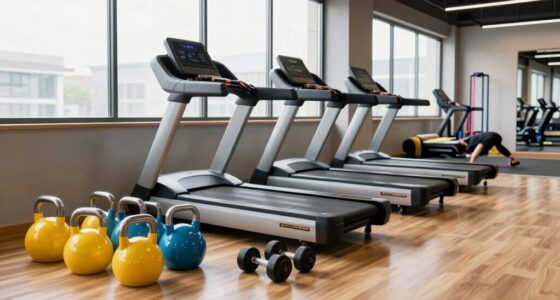
Training stress and life stress work together to impact your recovery and resilience. When you push hard in workouts, your body needs time to repair, and life stress can make that harder by draining your mental and emotional energy. Balancing both is key to avoiding burnout and injury. Managing stress through proper recovery, sleep, and emotional support helps you stay resilient. Keep exploring to discover how to better balance these stresses for ideal results.

Get workout gear delivered free with Prime
- Fast, free delivery on millions of items
- Prime Video, Amazon Music and more included
- Member-only deals all year
Key Takeaways
- Training stress and life stress both activate the body’s stress response, affecting recovery and adaptation processes.
- Excessive combined stress can lead to burnout, injury, or decreased performance if not properly managed.
- Effective recovery techniques are essential to counteract the cumulative effects of physical and emotional stress.
- Managing emotional and life stress supports physical resilience and enhances training outcomes.
- Awareness of how both stress types interact helps optimize balance, recovery, and overall well-being.
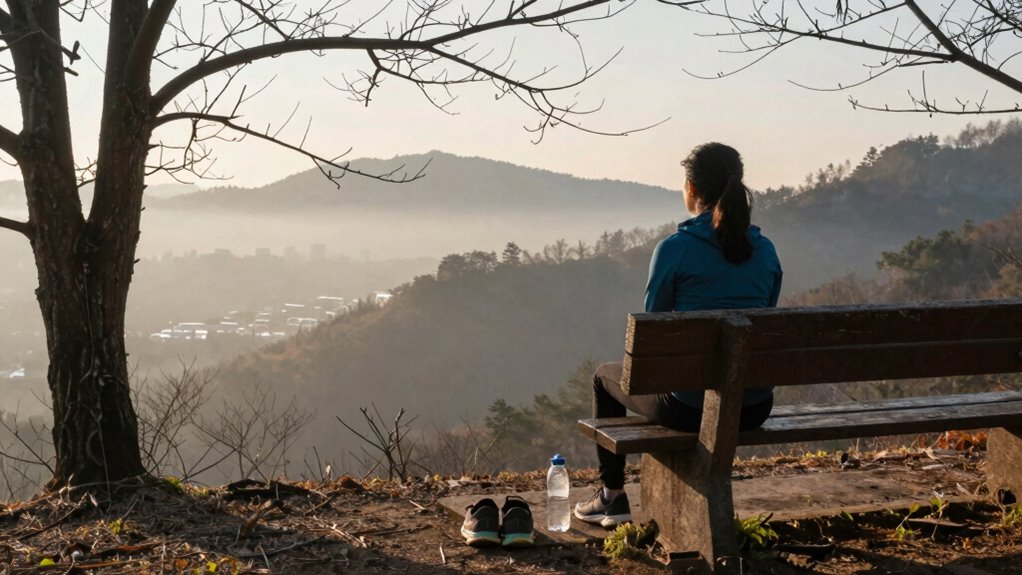
Have you ever wondered how some people seem to handle stress with ease while others feel overwhelmed? It often comes down to how they manage both training stress and life stress. When you’re pushing your body or mind through challenging workouts or demanding situations, you’re creating training stress. This kind of stress is intentional and controlled, designed to build resilience and strength. But if you don’t balance it with proper recovery techniques, it can easily lead to burnout or injury. Recovery techniques like adequate sleep, proper nutrition, and active rest are essential. They help your body repair itself and adapt to the stress you’ve placed on it. Without these, your progress stalls, and stress accumulates, making everything feel more overwhelming. Additionally, understanding how stress impacts recovery can help you optimize your overall resilience. Recognizing the importance of stress management strategies can further enhance your ability to maintain balance and prevent overload. Developing a comprehensive approach that includes both physical and mental techniques can provide even greater benefits, especially when considering how life stress can influence your training outcomes and overall well-being. Being aware of the connection between stress and emotional health can also support caregivers in maintaining their mental resilience.
sleep aid supplements for recovery
As an affiliate, we earn on qualifying purchases.
As an affiliate, we earn on qualifying purchases.
Frequently Asked Questions
How Can I Tell if My Stress Is Too High for Training?
If your stress feels overwhelming, it might be too high for training. Watch for signs like persistent fatigue, irritability, or trouble sleeping. Prioritize stress management techniques like meditation or rest, and listen to your body. High stress can disrupt hormonal balance, impair recovery, and reduce performance. Adjust your training intensity and focus on recovery to maintain a healthy balance, ensuring your body can adapt without overloading your system.
What Are Signs of Overtraining Caused by Stress?
If you’re experiencing overtraining caused by stress, look for signs like stress-induced fatigue and hormonal imbalance. You may feel persistently tired, lack motivation, or notice a decline in performance despite training harder. Sleep disturbances, increased irritability, and frequent illnesses are common indicators. These symptoms show your body is overwhelmed and needs rest. Pay attention to these signals, and consider reducing training intensity to allow recovery and restore hormonal balance.
Can Stress Improve Athletic Performance in Some Cases?
Yes, stress can improve your athletic performance when managed properly. It triggers stress adaptation, prompting your body to become stronger and more resilient. This process can lead to performance enhancement, sharpening your focus, boosting energy, and increasing endurance. When you harness positive stress, it pushes you beyond your limits, helping you achieve peak performance. Just make sure you balance stress levels carefully, avoiding overload that could hinder your progress.
How Does Sleep Quality Affect Stress Recovery?
Poor sleep quality hampers your stress recovery because it disrupts sleep hygiene, making it harder for your body to relax and heal. When you don’t sleep well, stress hormones stay elevated longer, increasing fatigue and impairing recovery. Prioritizing good sleep hygiene and practicing stress management techniques help your body reset faster, reducing overall stress levels. This, in turn, enhances your ability to recover, perform, and stay resilient against daily stressors.
Are There Specific Exercises to Reduce Overall Stress Levels?
You can reduce stress with specific exercises that target relaxation and mindfulness. Try deep breathing or progressive muscle relaxation to calm your nervous system. Incorporate mindfulness practices like meditation or gentle yoga to center your mind and body. These techniques create a powerful synergy, helping you manage overall stress more effectively. The secret isn’t just in the exercises themselves, but in their ability to *release* a sense of peace hidden beneath daily chaos.
As an affiliate, we earn on qualifying purchases.
Conclusion
Balancing training stress and life stress is like walking a tightrope—you need to stay centered and aware of your limits. When you listen to your body and manage both stresses wisely, you create a harmony that fuels your growth rather than breaking you down. Remember, you’re the captain of your ship; steer with intention and compassion. With this mindful approach, you’ll navigate life’s storms and training demands, emerging stronger and more resilient on the other side.
As an affiliate, we earn on qualifying purchases.
mental resilience training books
As an affiliate, we earn on qualifying purchases.
As an affiliate, we earn on qualifying purchases.
Halloween Picks
halloween
As an affiliate, we earn on qualifying purchases.