
To effectively eat for fat loss or muscle gain, focus on balancing your macros—protein, carbs, and fats—based on your goal. For fat loss, prioritize higher protein and a calorie deficit, while for muscle gain, increase carbs and overall calories with adequate protein. Controlling portion sizes through meal prep helps hit your targets and stay consistent. Keep track of your intake and adjust as needed; if you want to master these strategies, you’re in the right place.
Key Takeaways
- Adjust macro ratios: higher protein for fat loss, increased carbs for muscle gain, while balancing fats for overall health.
- Track calorie intake precisely to create a deficit for fat loss or surplus for muscle gain.
- Prioritize meal prep to control portion sizes and ensure macro goals are consistently met.
- Monitor progress regularly and refine macro ratios based on results to optimize fat loss or muscle growth.
- Focus on nutrient-dense, balanced meals that support your specific goal and promote sustainable habits.
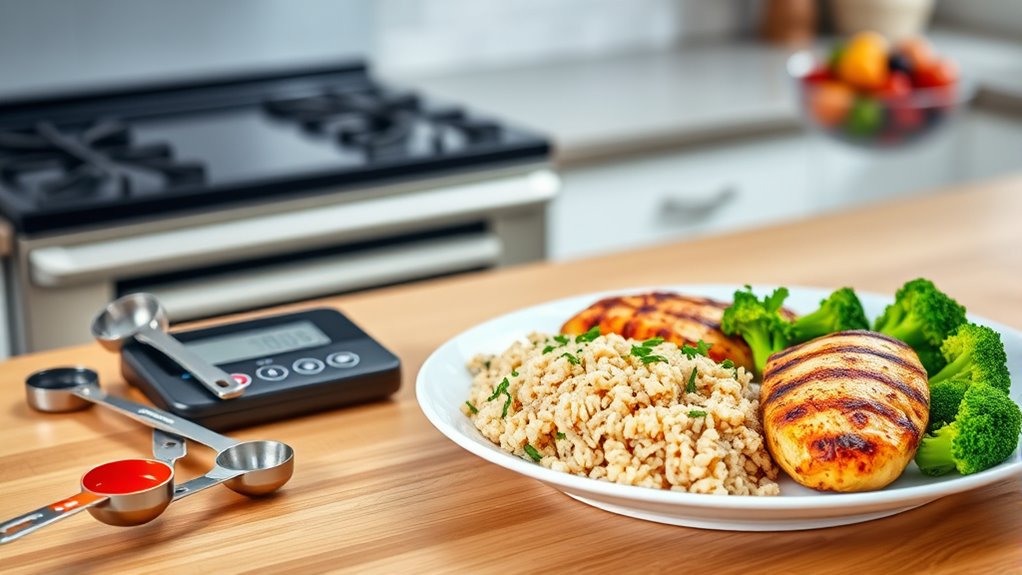
Are you curious about how macros can simplify your daily tasks? If you’re new to tracking your nutrition, understanding macros—protein, carbs, and fats—can make a big difference in reaching your goals. When it comes to eating for fat loss or muscle gain, knowing how to balance your macronutrients is essential, and macros help you do that efficiently. Instead of guessing, you can rely on precise calorie counting and structured meal prep to stay on track. By focusing on your macros, you won’t have to stress over every calorie, but you’ll still be aware of how the food you eat influences your progress.
Calorie counting is a core part of managing your macros because it helps you set clear targets. Whether you’re trying to shed fat or build muscle, knowing your daily calorie intake ensures you’re in the right energy deficit or surplus. For fat loss, you want a slight calorie deficit, meaning you consume fewer calories than you burn. For muscle gain, you need a calorie surplus, providing your body with extra energy to build new muscle tissue. Once you’ve established your calorie goals, macros let you break down those calories into specific nutrients. This clarity prevents overeating or under-eating, which can stall your progress.
Managing your calories is essential for setting clear macro targets to support fat loss or muscle gain.
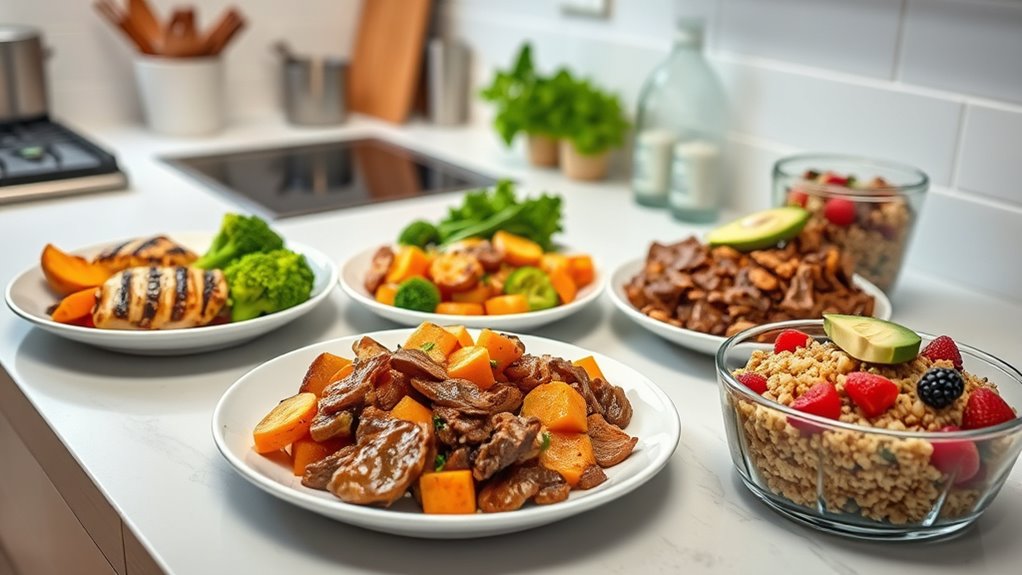
Meal prep plays a pivotal role in maintaining your macro goals. Preparing your meals ahead of time means you control portion sizes and the nutrient composition of each dish. It’s easier to stick to your calorie counting when you have meals ready to go, reducing the temptation to reach for unhealthy snacks. When meal prepping, focus on balancing your macros—pair lean proteins with complex carbs and healthy fats to optimize your results. For fat loss, you might prioritize higher protein intake to preserve muscle while cutting calories. For muscle gain, your meals might include more carbs and protein for energy and recovery.
Tracking your macros through meal prep also simplifies your eating routine. You can plan your grocery list based on your macro needs, saving time and reducing food waste. This approach ensures you’re consistently fueling your body with the right nutrients, whether you’re aiming for a leaner physique or more muscle mass. Over time, you’ll notice patterns and be able to adjust your macros based on your progress. The key is consistency—by integrating calorie counting and meal prep into your routine, you create a sustainable system that supports your goals without feeling overwhelming. Macros empower you to eat intentionally, making your journey toward fat loss or muscle gain more manageable and effective.

Etekcity Food Kitchen Scale, Digital Grams and Ounces, 11lb
- Multiple Measurement Units: Supports oz, lb, fl oz, g, mL
- Tare Function Included: Eases weighing of ingredients
- Battery Powered: Includes 2 AAA batteries
As an affiliate, we earn on qualifying purchases.
As an affiliate, we earn on qualifying purchases.
Frequently Asked Questions
How Do I Track My Macros Accurately Daily?
To track your macros accurately daily, start by using a food diary app like MyFitnessPal. Log every meal, paying attention to meal timing to optimize muscle gain or fat loss. Weigh your portions and be consistent. Consider supplementation strategies, like protein shakes, to meet your macros when meals fall short. Review your daily intake and adjust as needed to stay on track with your goals.
Can I Modify My Macros Once I Start?
Yes, you can modify your macros once you start. Flexibility is key, so don’t hesitate to make diet adjustments based on your progress or how you feel. Track your intake regularly, and if you notice you’re not reaching your goals, tweak your macro ratios accordingly. This approach helps you stay adaptable, ensuring your diet supports your fat loss or muscle gain journey effectively.
Are There Specific Macro Ratios for Women or Men?
Did you know men typically require about 10-20% more calories than women? Yes, macro ratios often differ due to gender-specific adjustments influenced by hormonal differences. These hormonal influences affect how your body processes protein, carbs, and fats. While general guidelines exist, customizing your macros based on your gender ensures ideal fat loss or muscle gain. So, tailoring your ratios can help you achieve your goals more effectively and safely.
What Are Common Mistakes Beginners Make With Macros?
You often make mistakes like neglecting calorie counting and meal timing. Don’t forget to track your calories accurately, or you might overeat or undereat. Also, pay attention to meal timing; eating too irregularly can hinder progress. Many beginners overlook these factors, leading to slower results. Focus on consistent calorie tracking and proper meal timing to optimize macro intake, whether you’re aiming for fat loss or muscle gain.
How Long Should I Stick With My Macro Plan?
You should stick with your macro plan for at least 4-6 weeks to see meaningful results. Consistency is key, so pay attention to meal timing and consider calorie cycling to optimize progress. Adjust as needed based on your body’s response, but don’t switch plans too often—it’s like trying to steer a ship in a storm. Stay committed, track your progress, and give your body time to adapt.

KitchenTour Smart Food Scale with Nutritional Calculator, Bluetooth App for Calorie & Macro Tracking, 24 Nutrients, 11lb/1g Stainless Steel Kitchen Scale
- Bluetooth Connectivity: Connects to Fitdays+ app for tracking
- Comprehensive Nutritional Tracking: Monitors calories, macros, 24 nutrients
- App Integration: Syncs with Apple Health and Fitbit
As an affiliate, we earn on qualifying purchases.
As an affiliate, we earn on qualifying purchases.
Conclusion
Understanding macros isn’t just about choosing between fat loss or muscle gain; it’s about mastering the balance that aligns with your goals. While eating for fat loss may mean cutting calories, gaining muscle requires fueling your body adequately. Both paths demand discipline and awareness, but they also share the same foundation: nourishing your body intentionally. By learning to navigate these differences, you empower yourself to make smarter choices—transforming your body and mindset in the process.
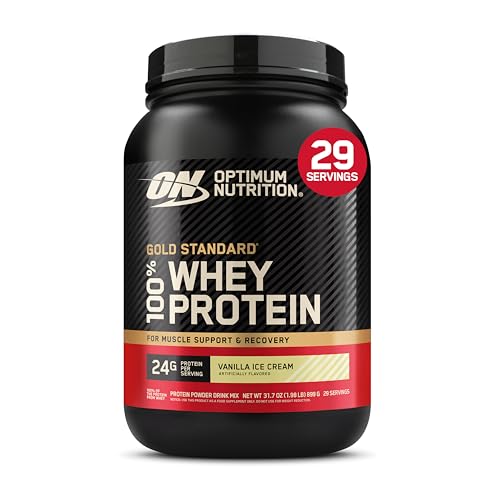
Optimum Nutrition Gold Standard 100% Whey Protein Powder, Vanilla Ice Cream, 2 Pound (Packaging May Vary)
- Protein Content: 24g high-quality whey protein per scoop
- Amino Acids: 5.5g BCAAs and 11g EAAs per serving
- Low Sugar and Carbs: Approximately 1g sugar and 3g carbs
As an affiliate, we earn on qualifying purchases.
As an affiliate, we earn on qualifying purchases.

Bentgo Prep 3-Compartment Meal Prep Containers with Lids, 20 Piece Set
- Top Brand for Meal Prep: Bentgo is the leading meal prep brand
- Complete 20-Piece Set: Includes ten trays and lids for portability
- Three-Compartment Design: Separates meals for variety and portion control
As an affiliate, we earn on qualifying purchases.
As an affiliate, we earn on qualifying purchases.