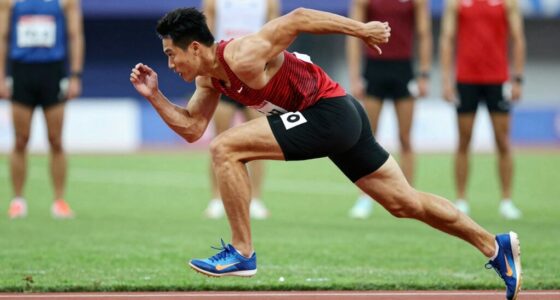

To train for recreational sports without burning out, focus on balancing effort with proper recovery. Incorporate rest days, vary workouts with cross-training, and use AI tools to track progress and prevent overtraining. Prioritize good nutrition, stay hydrated, and warm up before sessions. Remember, sustainable progress and enjoyment matter more than intensity. If you keep these tips in mind, you’ll boost your performance while avoiding burnout—there’s more to uncover for lasting success.

Get workout gear delivered free — and shop member deals
- Fast, free delivery on millions of items
- Access to Prime Big Deal Days deals on October 6–7
- Prime Video, Amazon Music and more included
Key Takeaways
- Incorporate rest days and recovery techniques to prevent overtraining and maintain motivation.
- Balance workouts with proper nutrition and hydration to support sustained performance.
- Use AI-driven monitoring tools to track progress and avoid excessive effort.
- Vary training intensity and include cross-training to reduce injury risk and promote long-term engagement.
- Focus on consistent, enjoyable training rather than sporadic, high-intensity efforts.
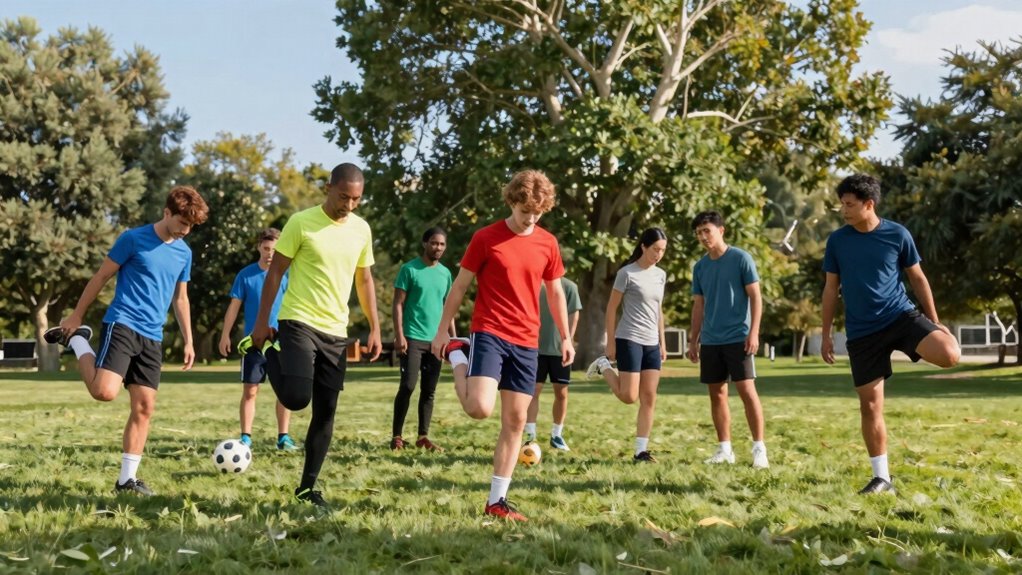
Getting ready for recreational sports can be exciting, but it’s easy to overdo it and burn out before the game even starts. You might push yourself too hard during practice, thinking more training equals better performance, but this can lead to fatigue and loss of motivation. Instead, focus on smart training that balances effort with recovery. One essential aspect is developing effective nutrition strategies. Proper fuel helps your body perform at its best and recover faster. Incorporate a mix of carbohydrates, protein, and healthy fats into your meals to sustain energy levels. Hydration is equally important—drink water regularly before, during, and after your workouts. Avoid crash diets or skipping meals, as they can weaken your immune system and slow down recovery. Instead, aim for balanced, nutrient-dense foods that support your activity level.
Another key to training without burning out is injury prevention. Pushing through pain or neglecting proper warm-up routines can lead to strains, sprains, or other injuries that sideline you longer than a day’s rest. Invest time in warming up your muscles with light cardio and dynamic stretches to prepare your body for activity. Cooling down and stretching afterward helps reduce muscle soreness and stiffness. Pay attention to your body’s signals—if you feel persistent pain or fatigue, take a break rather than pushing through it. Cross-training can also help prevent overuse injuries by varying your workouts. For example, if you’re focusing on running, include low-impact activities like swimming or cycling to give your joints a break while still building endurance. Additionally, incorporating AI-powered tools can help monitor your training progress and prevent overtraining by providing data-driven insights. These tools can also help you set realistic goals and track your recovery, making your training more effective.
It’s equally important to listen to your body and avoid overtraining. Rest days aren’t a sign of weakness—they’re crucial for muscle repair and mental refreshment. Incorporate recovery into your schedule by alternating intense workouts with lighter sessions or rest days. This approach keeps your motivation high and your body in peak condition. Remember, consistency beats intensity; training steadily over time is more effective than sporadic, high-intensity efforts that leave you exhausted. Incorporating proper recovery techniques, such as foam rolling and sleep optimization, can further enhance your ability to train consistently without risking burnout. By combining smart nutrition strategies with injury prevention techniques, you can enjoy your recreational sport without risking burnout. Keep your focus on sustainable progress, and you’ll find yourself enjoying the game more and performing better in the long run.
recovery foam roller for athletes
As an affiliate, we earn on qualifying purchases.
As an affiliate, we earn on qualifying purchases.
Frequently Asked Questions
What Warm-Up Routines Prevent Injuries During Recreational Sports Training?
To prevent injuries during recreational sports training, you should start with dynamic stretching to warm up your muscles and increase blood flow. Incorporate foam rolling to release muscle tension and improve flexibility. These routines prepare your body for activity, reduce the risk of strains, and enhance performance. Focus on controlled movements and target key muscle groups involved in your sport, ensuring you’re adequately prepared without overexerting yourself.
How Can I Improve Mental Focus During Sports Practice?
Imagine your mind as a camera lens—sharp focus captures the shot, blurry vision misses details. To boost mental focus during practice, use focus techniques like deep breathing and visualization. Building mental stamina is like strengthening a muscle: the more you train it, the longer you stay sharp. Stay present, minimize distractions, and remind yourself of your goals. With consistent effort, you’ll sharpen your focus and perform better every time.
What Are Signs of Overtraining to Watch Out For?
Signs to watch for include persistent fatigue, decreased performance, and mood changes. Overtraining symptoms also encompass frequent injuries, muscle soreness that won’t fade, and trouble sleeping. You might feel overly exhausted or lose motivation quickly. If you notice these signs, it’s essential to rest and recover, as ignoring overtraining symptoms can lead to injury or long-term setbacks. Pay attention to your body’s signals to prevent burnout and stay healthy.
How Does Nutrition Affect Recovery and Performance?
Did you know proper nutrition can boost recovery and performance by up to 50%? Nutrient timing is essential; eating carbs and protein shortly after activity helps repair muscles faster. Staying hydrated with effective hydration strategies replenishes lost fluids and electrolytes, preventing fatigue. Good nutrition guarantees your body recovers efficiently, keeps energy levels high, and reduces injury risk, so you can enjoy your recreational sports without burnout.
Should I Incorporate Cross-Training for Better Results?
Yes, incorporating cross-training benefits your overall performance and helps prevent injuries. By diversifying your workouts, you give specific muscles a break while still building strength and endurance. Cross training also improves your cardiovascular health and reduces the risk of overuse injuries, which are common in repetitive sports activities. Implement injury prevention strategies through varied exercises, ensuring you stay motivated, reduce burnout, and enhance your ability to enjoy recreational sports longer.
As an affiliate, we earn on qualifying purchases.
Conclusion
By pacing yourself and listening to your body, you can enjoy recreational sports without risking burnout. Remember, over 60% of amateur athletes admit to experiencing fatigue or injury due to overtraining. So, prioritize rest, vary your workouts, and set realistic goals. This way, you’ll stay motivated and healthy, ensuring your love for the game lasts longer. Keep balance in mind, and you’ll find yourself playing more, feeling better, and avoiding burnout every time.
cross-training exercise equipment
As an affiliate, we earn on qualifying purchases.
As an affiliate, we earn on qualifying purchases.
hydration water bottle for workouts
As an affiliate, we earn on qualifying purchases.
As an affiliate, we earn on qualifying purchases.
Fall Picks
fall essentials
As an affiliate, we earn on qualifying purchases.