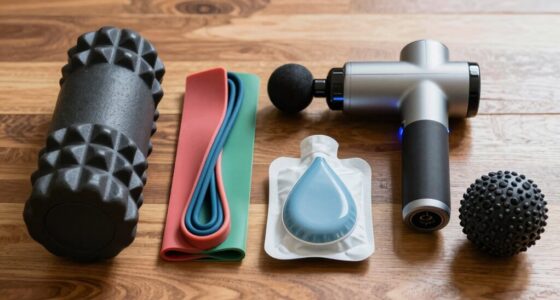
To build a recovery routine that truly helps, start by incorporating daily mindfulness meditation to reduce stress and boost clarity. Focus on nutrient-dense foods and plan your meals to support healing. Set realistic goals, breaking them into small, manageable steps, and celebrate progress. Include outdoor activities to enhance mental well-being, and prioritize emotional support and relaxation. By combining these strategies consistently, you’ll create a sustainable routine that fosters resilience and recovery—keep exploring for more effective tips.
Key Takeaways
- Incorporate daily mindfulness meditation to reduce stress and enhance mental clarity.
- Plan nutrient-rich meals to support physical healing and stabilize mood.
- Set realistic goals and pace activities to avoid overexertion and foster consistency.
- Include outdoor and gentle physical activities to boost well-being and circulation.
- Practice emotional support strategies like journaling and deep breathing for emotional resilience.

Building a recovery routine is indispensable for restoring your physical and mental well-being after stress or injury. You need a plan that not only helps your body heal but also supports your mind in regaining clarity and calm. One effective way to do this is by incorporating mindfulness meditation into your daily schedule. When you practice mindfulness meditation, you train yourself to stay present and aware, reducing feelings of anxiety or overwhelm. Even just a few minutes each day can help regulate your stress hormones, improve your mood, and enhance your overall resilience. As you develop this habit, you’ll notice your thoughts becoming clearer, making it easier to make healthier choices and stay motivated on your recovery journey.
Practicing mindfulness meditation daily can reduce stress, improve clarity, and support your recovery journey.
In addition to mindfulness meditation, paying close attention to your nutrition planning is crucial. Proper nutrition fuels your body’s healing processes and keeps your energy levels stable. Focus on incorporating nutrient-dense foods like fruits, vegetables, lean proteins, and whole grains into your meals. Avoid processed foods high in sugar and unhealthy fats, which can increase inflammation and slow down recovery. Planning your meals ahead of time ensures you don’t skip essential nutrients when you’re tempted to reach for convenience foods. This not only supports physical healing but also stabilizes your mood, helping you stay committed to your routine. If you’re unsure where to start, consider consulting a nutritionist who can tailor a plan specifically for your recovery needs.
Creating a balanced recovery routine also involves setting realistic goals and pacing yourself. Do not expect overnight results; recovery takes time, patience, and consistency. Break your goals into manageable steps, and celebrate small victories along the way. Incorporate gentle physical activities like stretching or walking, which can promote blood flow and prevent stiffness without overwhelming your body. Rest is equally important, so ensure you’re getting enough sleep and taking time to relax. Developing a routine means making it sustainable, so choose activities and practices that resonate with you personally. Additionally, incorporating outdoor activities such as spending time in nature can boost your mental well-being and accelerate the healing process.
Finally, stay mindful of your emotional health. Recovery isn’t just physical—it’s mental too. Keep a journal, practice deep breathing exercises, or seek support from friends, family, or professionals when needed. Building a recovery routine that genuinely helps involves listening to your body and mind, adjusting strategies as you go, and remaining committed to your well-being. With patience and consistency, you’ll find yourself gradually regaining strength, clarity, and vitality.

Retrospec Sedona Meditation Cushion, Buckwheat Pillow, Meditation Pillow
- Natural Buckwheat Filling: Supports spine and hips during meditation
- Customizable Firmness: Unzip to add or remove hulls
- Eco-Friendly Cotton Cover: Machine washable and microplastic-free
As an affiliate, we earn on qualifying purchases.
As an affiliate, we earn on qualifying purchases.
Frequently Asked Questions
How Long Should My Recovery Routine Last Each Day?
Your recovery routine should last around 20 to 30 minutes each day, depending on your activity level. Focus on stretching routines that target key muscle groups to improve flexibility and reduce soreness. Include nutritional planning by consuming protein and hydration to support muscle repair. Keep your routine consistent, and listen to your body—if you feel fatigued, extend your stretching or rest longer to optimize recovery.
Can Recovery Routines Be Different for Different Types of Injuries?
Yes, recovery routines should differ based on injury severity and your personal preferences. For minor injuries, you might focus on gentle stretching and rest, while severe injuries require more specialized therapy and longer rest periods. Consider what feels best for you and consult healthcare professionals to tailor your routine. Modifying activities to match your injury’s needs ensures effective healing without risking further damage.
How Do I Stay Motivated to Follow My Recovery Plan?
Imagine yourself crossing a finish line, feeling proud and strong—that’s how staying motivated can feel. To keep going, use motivational strategies like setting small, achievable goals and tracking your progress. Find accountability partners who cheer you on and celebrate your victories. Visualize your success daily, and remind yourself why you started. These steps help you stay committed, making your recovery routine a rewarding part of your journey.
What Are Common Mistakes to Avoid in Recovery Routines?
Avoid common mistakes like neglecting mindfulness practices, which help manage stress and improve focus during recovery. Don’t disregard nutritional strategies; they fuel your body and support healing. Skipping rest or pushing too hard can hinder progress. Consistently integrating mindfulness and proper nutrition ensures your routine remains effective. Stay aware of these pitfalls, and adjust your plan as needed to promote steady, sustainable recovery without setbacks.
Should I Consult a Professional Before Starting My Recovery Routine?
You should definitely consult a professional before starting your recovery routine. Did you know that 65% of people who seek expert guidance report faster, more effective results? A professional can provide personalized plans tailored to your needs, ensuring safety and maximizing progress. Expert guidance helps you avoid common mistakes, making your recovery more efficient. Investing in professional advice now sets a solid foundation for long-term success.
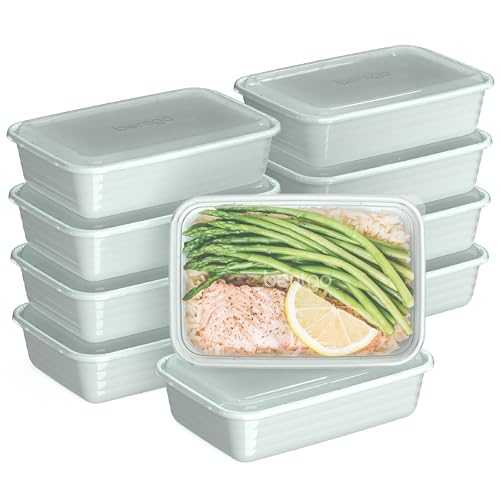
Bentgo Prep Meal Prep Containers with Lids, 20 Piece, PFAS & BPA-Free
- Top Brand for Meal Prep: Bentgo is the leading meal prep brand
- Includes 20 Containers: Lightweight, portable 20-piece set
- Supports Healthy Portioning: 4-cup capacity with embossed measurements
As an affiliate, we earn on qualifying purchases.
As an affiliate, we earn on qualifying purchases.
Conclusion
Now that you’ve designed a dynamic, deliberate recovery routine, remember that consistency is key. By blending balance and patience, you’ll build a better, more resilient you. Keep committed, stay centered, and celebrate small successes along the way. Your journey to wellness is a wondrous work-in-progress—worthy of your wholehearted hope and hustle. So, step confidently into your self-care, and let your recovery routine become a reliable, rewarding rhythm that nurtures your mind, body, and spirit.

Mens Walking Shoes Wide Slip On Diabetic Neuropathy Orthopedic Plantar Fasciitis Recovery Shoes Barefoot Zero Drop Sneakers Comfortable Spring Summer Winter Indoor Outdoor Shoes for Men Size 10
- Wide Toe Box Design: Keeps toes in natural shape
- Adjustable Straps: Customizable fit for various foot conditions
- Lightweight and Breathable: Stretchy upper reduces sweating and odors
As an affiliate, we earn on qualifying purchases.
As an affiliate, we earn on qualifying purchases.

Happy Confident Me: Daily JOURNAL – Gratitude and Growth Mindset Journal that boosts children's happiness, self-esteem, positive thinking, mindfulness and resilience
As an affiliate, we earn on qualifying purchases.
As an affiliate, we earn on qualifying purchases.