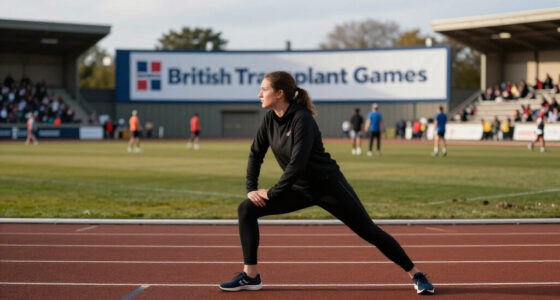
To prepare for your first triathlon, set realistic goals and create a manageable training plan that builds your swim, bike, and run skills gradually. Incorporate brick workouts to simulate race shifts, prioritize rest for recovery, and focus on proper nutrition. Choose gear that fits well and practice open water swimming and race-day routines. Developing mental resilience with visualization techniques will boost your confidence—keep going and you’ll discover even more tips to succeed.

Get workout gear delivered free — and shop member deals
- Fast, free delivery on millions of items
- Access to Prime Big Deal Days deals on October 6–7
- Prime Video, Amazon Music and more included
Key Takeaways
- Set realistic goals and create a structured training plan that gradually increases intensity and volume.
- Practice all three disciplines, including open water swimming and brick workouts, to simulate race conditions.
- Focus on proper gear fit, equipment checks, and transition drills to improve efficiency and confidence.
- Prioritize rest, recovery, and mental preparation techniques like visualization and positive self-talk.
- Maintain a balanced nutrition plan, hydrate well, and test all equipment to prevent surprises on race day.
triathlon wetsuit for open water swimming
As an affiliate, we earn on qualifying purchases.
As an affiliate, we earn on qualifying purchases.
Setting Realistic Goals and Creating a Training Plan
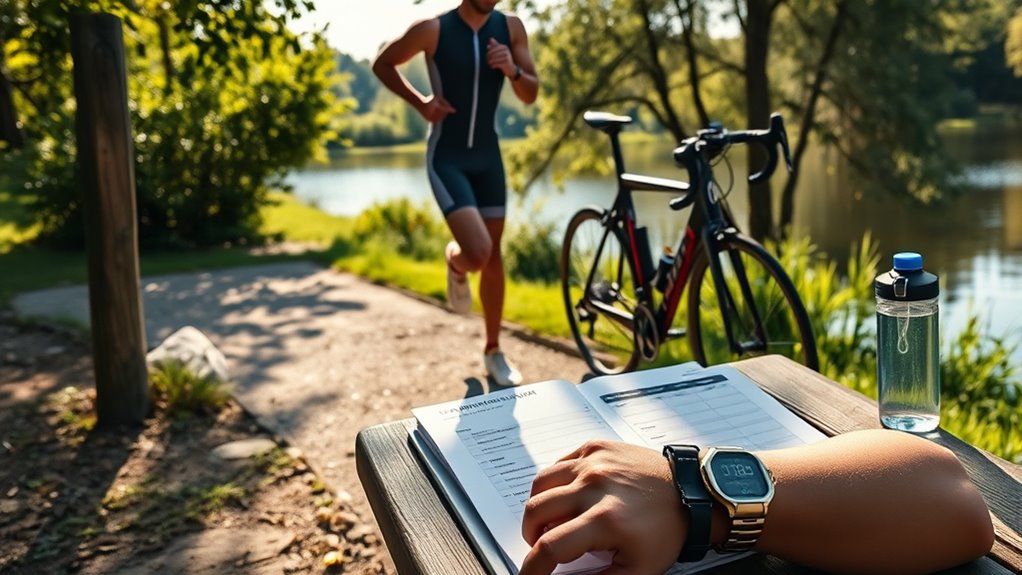
Before you begin your triathlon training, it’s essential to set realistic goals and create a solid plan. Start with clear goal setting—know what you want to achieve, whether it’s finishing your first race or hitting a specific time. Then, focus on training scheduling to structure your workouts effectively. Break your plan into manageable phases, gradually increasing intensity and volume to prevent injury and build confidence. Be honest about your current fitness level and available time, and set achievable milestones to stay motivated. A well-organized training schedule helps you stay consistent and track progress. Incorporating bike maintenance into your routine can also ensure your equipment stays in top condition and prevent last-minute issues. Remember, realistic goals keep you focused and prevent frustration, making your training both effective and enjoyable.
As an affiliate, we earn on qualifying purchases.
Building Your Swim, Bike, and Run Foundations
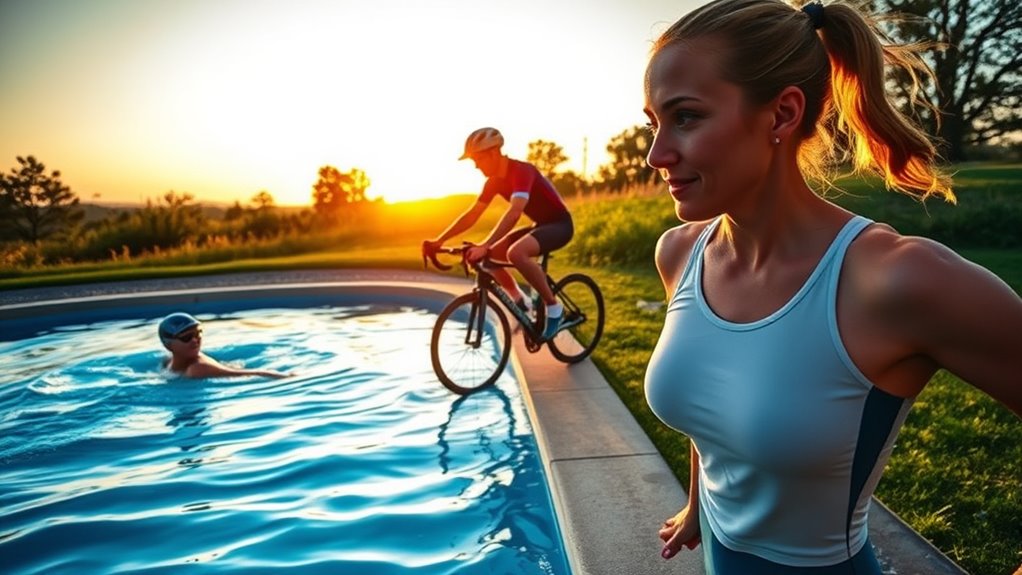
To build a strong foundation in your triathlon, you need to develop consistent skills in swimming, cycling, and running. Focus on mastering breathing techniques to maintain steady oxygen intake during each discipline. Practice rhythmic breathing to improve endurance and reduce fatigue. Incorporating drafting strategies in cycling to conserve energy; riding closely behind another cyclist decreases wind resistance and eases effort. In running, work on maintaining a steady pace and controlled breathing to sustain your stamina. Building these core skills early helps you become more efficient and confident on race day. Developing Kia Tuning techniques can also enhance your performance by optimizing your training vehicle’s capabilities. Consistent practice in each discipline establishes good habits and prepares you to handle various race conditions. Additionally, paying attention to body mechanics during training can prevent injuries and improve overall efficiency. Recognizing the importance of lifestyle adjustments, such as proper nutrition and rest, can further support your training progress and recovery. Incorporating proper nutrition strategies, like balanced meals and hydration, can significantly boost your energy levels and endurance. Moreover, understanding vehicle tuning concepts can help you fine-tune your training approach for better results. Remember, a solid foundation makes all the difference in your triathlon performance.
triathlon running shoes for beginners
As an affiliate, we earn on qualifying purchases.
As an affiliate, we earn on qualifying purchases.
Incorporating Brick Workouts for Better Race Day Transitions
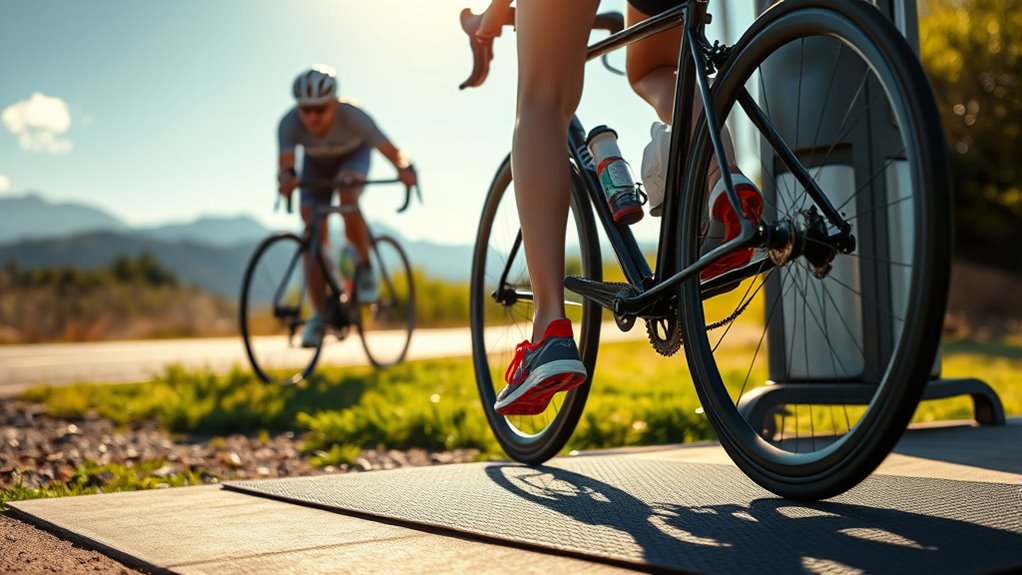
After building strong skills in swimming, cycling, and running, practicing brick workouts helps simulate race conditions by combining two disciplines in one session. These workouts improve your transition efficiency and mental preparedness. Incorporate transition drills into your brick workouts to mimic race-day movements, such as quickly changing from bike to run. Focus on proper workout sequencing, starting with a bike ride followed immediately by a run, to simulate the fatigue you’ll experience during the race. This helps your legs adapt to the feeling of moving from cycling to running and reduces the time spent switching over on race day. Consistent brick workouts build confidence, enhance your muscle memory, and make your transitions smoother, ultimately saving you valuable seconds during the race.
transition gear bag for triathlon
As an affiliate, we earn on qualifying purchases.
As an affiliate, we earn on qualifying purchases.
Prioritizing Rest and Recovery to Avoid Overtraining

Pushing your body too hard without allowing adequate rest can quickly lead to overtraining, which hampers progress and increases injury risk. Prioritizing rest and recovery helps you avoid burnout and promotes consistent improvement. Focus on sleep hygiene by establishing a regular sleep schedule, creating a calming bedtime routine, and minimizing screen time before bed. Quality sleep allows your muscles to repair and your nervous system to reset, essential for injury prevention. Incorporate rest days into your training plan to give your body time to recover and adapt. Listen to your body’s signals—if you feel fatigued or sore, take extra rest. Additionally, advances in AI-driven solutions are transforming healthcare, emphasizing the importance of balanced training and recovery. Incorporating proper recovery techniques such as stretching, foam rolling, and hydration can further enhance your recovery process. Utilizing glycolic acid in skincare routines can support skin regeneration, which benefits overall recovery by maintaining healthy skin. Recognizing signs of overtraining can be further supported by emerging AI detection methods that analyze physical data to optimize training regimens. Being mindful of training intensity helps prevent overexertion and allows for more sustainable progress.
Nutrition Strategies for Training and Race Day
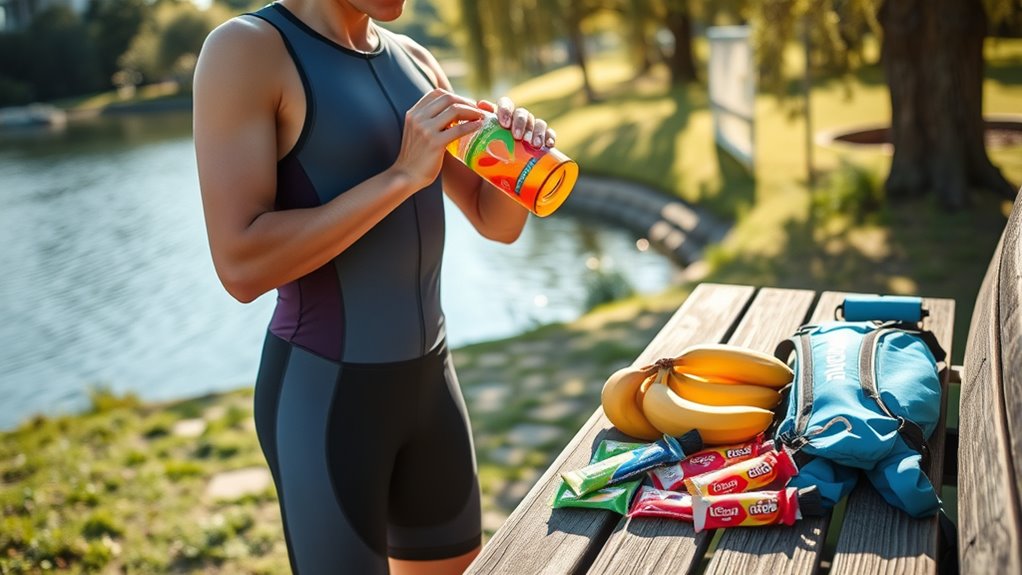
Proper nutrition is essential for fueling your training sessions and optimizing race day performance. Hydration planning is key; drink fluids regularly and include electrolyte-rich beverages to maintain balance. Focus on carbohydrate loading in the days leading up to your race to maximize glycogen stores, which will give you sustained energy. During training, consume easily digestible carbs like gels or sports drinks to replenish energy quickly. On race day, continue your hydration plan with small, frequent sips of water and electrolytes. Avoid trying new foods or drinks that might upset your stomach. Natural energy sources such as natural fruit-based gels can also be effective. Incorporating content discoverability strategies like hashtag use can help you stay motivated by connecting with a supportive community. Additionally, paying attention to shelf life of freshly squeezed juices can inspire you to prepare nutritious, homemade drinks to enhance your recovery. Being aware of safety and storage considerations ensures your nutrition remains fresh and effective. By prioritizing proper nutrition, you’ll enhance your endurance and recovery, setting yourself up for a successful triathlon experience.
Selecting the Right Gear and Equipment
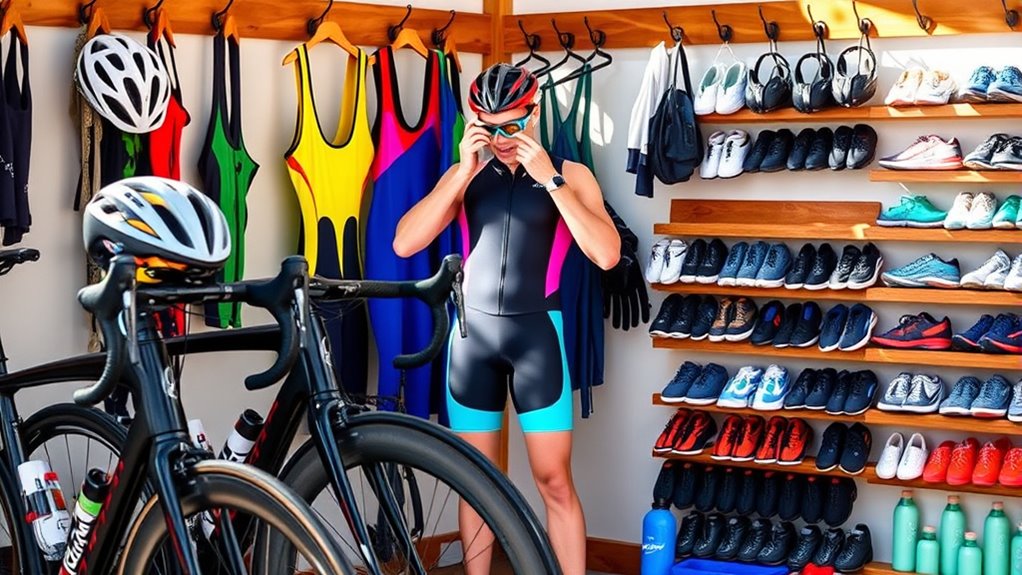
Choosing the right gear and equipment is essential for comfort, efficiency, and safety during your triathlon. To get started, focus on three key areas:
Selecting proper gear ensures comfort, safety, and peak performance on race day.
- Wetsuit selection – pick a wetsuit that fits snugly without restricting movement, offering buoyancy and warmth for open water swims. Selecting a wetsuit with appropriate buoyancy features can enhance your swimming performance and comfort. Additionally, consider the material quality of the wetsuit to ensure durability and flexibility during your race. Investing in a wetsuit with advanced insulation can also help maintain optimal body temperature in colder water conditions.
- Bike fitting – ensure your bike is properly fitted to your body to maximize power, reduce fatigue, and prevent injury.
- Proper footwear – select lightweight, comfortable shoes suited for running and cycling, enabling quick transitions and steady footing. Ensuring your gear is compatible with home furnishings, such as storage solutions for your equipment, can help keep your race items organized and easily accessible.
Investing in quality gear tailored to your body and race conditions can make a significant difference. Take the time to test your equipment beforehand, so you’re comfortable and confident on race day.
Practicing Open Water Swimming and Race Day Simulations
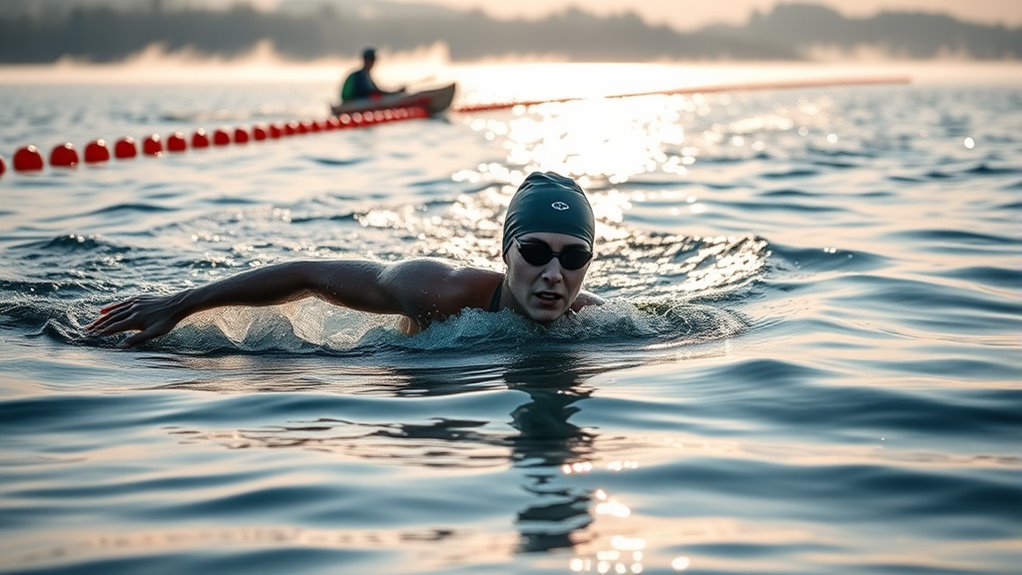
Practicing open water swimming helps you become comfortable with your surroundings and identify potential challenges. To prepare effectively, simulate race conditions to build confidence and endurance. Remember to do thorough gear and safety checks before each practice to guarantee a smooth and safe experience. Additionally, embracing the father-daughter bond through shared experiences can boost your morale and motivation throughout your training journey. Incorporating mindfulness techniques into your training can also help you stay focused and reduce anxiety during the swim, which aligns with the importance of creative storytelling to foster emotional engagement and resilience.
Open Water Practice Tips
Have you ever wondered why open water practice is essential for race day success? It helps you become comfortable with conditions you’ll face, from water temperature to navigation. Here are three key tips to maximize your open water sessions:
- Focus on wetsuit fitting to ensure comfort and mobility, especially if water temperature is chilly.
- Practice sighting regularly to stay on course, mimicking race day conditions.
- Simulate race conditions by swimming in similar water temperatures and practicing starts and finishes.
Simulate Race Conditions
To prepare effectively for race day, it’s important to recreate the conditions you’ll face during your open water swim. Practice in similar water temperatures, currents, and visibility to build confidence. Simulate race day logistics by arriving early, setting up your gear, and practicing your pre-race routine. Consider weather considerations, such as wind and water temperature, and how they might affect your performance. Practice your sighting, navigation, and breathing techniques while immersed in open water to mimic race conditions. If possible, do a full practice swim at your race site to familiarize yourself with the environment. These simulations help reduce surprises, improve your comfort, and guarantee you’re physically and mentally prepared for race day challenges.
Gear and Safety Checks
Ever wondered if your gear is truly race-ready? Before race day, practice open water swimming and simulate the event. Check these key areas:
- Sparkling wetsuits: Ensure your wetsuit fits snugly but comfortably, with no chafing or restricted movement. Practice in it to confirm it performs well in open water.
- Race bib placement: Pin your race bib securely to your wetsuit or tri suit, making sure it’s visible and won’t slip during the swim or bike.
- Safety gear: Test your goggles for leaks, adjust your swim cap snugly, and carry a whistle or safety buoy if needed. Regular checks prevent surprises and boost confidence on race day.
Preparing Mentally for Your First Triathlon
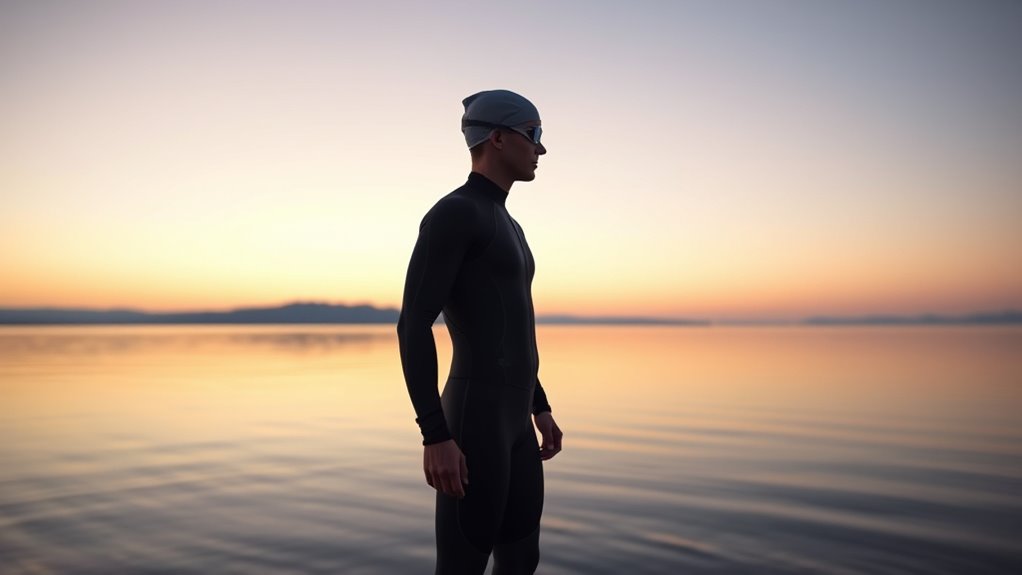
Getting your mind ready for your first triathlon is just as important as training your body. You can boost your confidence by visualizing race success and learning to manage pre-race nerves. Building mental resilience will help you stay focused and bounce back from any setbacks on race day.
Visualize Race Success
Visualizing your race success is a powerful way to build confidence and mentally prepare for your first triathlon. Using visualization techniques and mental rehearsal helps you picture each step, from the swim start to the finish line. To get the most out of this practice:
- Imagine yourself feeling strong and focused throughout each segment.
- Visualize overcoming potential challenges with calm and confidence.
- Picture crossing the finish line with a sense of achievement.
Manage Pre-Race Anxiety
Pre-race anxiety is a common experience, but managing it effectively can make a significant difference in your performance. Focus on breathing techniques to stay calm—deep, slow breaths help regulate your nervous system and reduce tension. Practice inhaling through your nose for four seconds, then exhaling slowly for six seconds. Pair this with positive self-talk to boost confidence. Remind yourself of your preparation and strengths, replacing negative thoughts with encouraging words. Visualize yourself completing each stage smoothly, which can shift your mindset from doubt to readiness. By consciously controlling your breathing and reinforcing positive messages, you’ll ease anxiety and approach the race with clarity and calmness. These mental strategies set a strong foundation for a successful triathlon.
Develop Mental Resilience
Building mental resilience is essential to overcoming the inevitable challenges of your first triathlon. To stay focused and confident, practice mindfulness meditation regularly, which helps calm your mind and stay present during the race. Use positive self-talk to reinforce your preparation and boost your motivation, especially when doubts creep in. Here are three ways to strengthen your mental resilience:
- Visualize success by imagining yourself completing each stage confidently.
- Develop a pre-race routine that includes mindfulness exercises to center yourself.
- Remind yourself of your training progress with positive affirmations.
Frequently Asked Questions
How Should I Choose the Right Triathlon Distance for My First Race?
To choose the right triathlon distance for your first race, consider your current fitness level and training paces. Start with a sprint or super-sprint to build confidence and avoid burnout. Focus on gear selection that suits the distance, like lightweight shoes for sprints or a wetsuit for longer events. Gradually increase distance as your endurance improves, ensuring you feel comfortable and prepared without overexerting yourself.
What Are Common Mistakes Beginners Make During Triathlon Training?
You often make mistakes like incorrect pacing, starting too fast and burning out early. Don’t neglect your equipment; make certain your bike, shoes, and gear are in top shape to avoid delays or discomfort. Many beginners overlook proper transitions, losing valuable seconds. Focus on practicing transitions, maintaining consistent effort, and double-checking your gear. By avoiding these errors, you’ll race more confidently and enjoy your first triathlon experience.
How Can I Prevent Chafing and Blisters During the Race?
To prevent chafing and blisters during your race, focus on chafing prevention by using anti-chafing creams or powders on sensitive areas. Wear well-fitted, moisture-wicking clothing to reduce friction and keep your skin dry. For blister management, choose proper footwear and socks that fit snugly without pinching. During the race, stay hydrated and monitor your skin, applying lubricants as needed to minimize irritation and keep discomfort at bay.
What Should I Do if I Experience a Sudden Injury Before Race Day?
When you face a sudden injury before race day, don’t try to tough it out alone; it’s better to play it safe and seek medical assistance right away. Rest and injury recovery are key, so consult a healthcare professional to assess the damage. If you’re cleared, ease back into training gradually. Remember, it’s better to be safe than sorry, and taking care of yourself now guarantees you’ll be ready to race later.
How Do I Handle Nutrition and Hydration During the Race Itself?
During the race, focus on your race day fueling and hydration strategies to maintain energy and avoid dehydration. Sip small amounts of water or electrolyte drinks regularly, roughly every 15-20 minutes, and consume easily digestible carbs like gels or energy bars. Listen to your body and adjust intake if you feel signs of fatigue or dehydration. Staying consistent with your fueling plan helps you perform your best and finish strong.
Conclusion
Now that you’ve got the essentials down, you’re ready to conquer your first triathlon like a true champion. Trust in your training, stay focused, and embrace every challenge as a stepping stone to greatness. Remember, with dedication and preparation, you’ll turn what seems like an impossible feat into an unforgettable victory. So go ahead—dive in with confidence and show the world you’re unstoppable! Your epic race awaits—make it legendary.
Fall Picks
fall essentials
As an affiliate, we earn on qualifying purchases.