

Starting a new sport in your 40s is totally doable and can bring numerous benefits, including improved health, mood, and social connections. With options suited for all skill levels, you can start at your own pace and see progress over time. Choosing activities you enjoy helps make it easier and more fun to stay committed. Keep exploring different sports and gear—like high-quality equipment—to maximize your experience. If you want to discover how to get started successfully, there’s plenty more to learn.
Key Takeaways
- It’s never too late to start; sports like tennis, cycling, or swimming are beginner-friendly options.
- Engaging in new sports boosts physical and mental health, improving energy, mood, and sleep.
- Many activities are adaptable for all skill levels, allowing gradual progression and sustained motivation.
- Joining sports communities fosters social connections and a sense of belonging.
- Proper equipment and personalized adjustments ensure comfort, safety, and optimal performance at any age.

Starting a new sport in your 40s can be an exciting and rewarding way to boost your health, stay active, and challenge yourself. It’s a fresh start that offers more than just physical benefits; it can appreciably improve your mental health and expand your social opportunities. Engaging in a sport you enjoy helps reduce stress, lift your mood, and create a sense of accomplishment. When you participate regularly, your brain releases endorphins, which are natural mood boosters, making you feel happier and more centered. This mental boost can carry over into other areas of your life, helping you manage everyday stress better and improving your overall outlook. Additionally, choosing equipment and apparel suited for your activity can enhance comfort and performance, making your experience more enjoyable.
In addition to mental health benefits, starting a new sport in your 40s opens doors to new social opportunities. Whether you join a local club, attend group classes, or play casually with friends, you’re likely to meet people with similar interests. These social interactions can lead to meaningful friendships that extend beyond the sport itself. Building a community around your new activity helps you feel connected and supported, which is especially important as you get older. It’s easy to fall into routines that isolate you, but a sport provides a natural setting for socializing in a fun and relaxed environment. Sharing experiences, celebrating victories, and encouraging each other fosters camaraderie and boosts your sense of belonging.
Starting a sport later in life might seem intimidating at first, but many options are tailored for all skill levels and fitness backgrounds. For example, pick something that aligns with your interests and physical capabilities, such as tennis, cycling, swimming, or even golf. These sports are not only accessible but also offer opportunities to progress at your own pace. As you become more comfortable, you’ll notice improvements in your strength, flexibility, and endurance, reinforcing your motivation to keep going. The consistency of engaging in a sport also promotes better sleep patterns and increased energy levels, further enhancing your health. Moreover, utilizing high-quality equipment designed for your chosen activity can significantly improve your experience and results.

Wilson Federer Adult Recreational Tennis Racket – Grip Size 3 – 4 3/8", Red/White/Black
- Product Name: Wilson Federer Adult Tennis Racket
- Grip Size: Size 3 (4 3/8")
- Color Scheme: Red/White/Black
As an affiliate, we earn on qualifying purchases.
As an affiliate, we earn on qualifying purchases.
Frequently Asked Questions
How Do I Find Beginner-Friendly Sports Suitable for My Age?
To find beginner-friendly sports suitable for your age, start by searching for local clubs or community centers that offer introductory classes. Look for sports labeled as beginner-friendly, like walking groups, swimming, or golf, which are easier on joints. Talk to instructors or members to understand the level of difficulty. This approach helps you find enjoyable, low-pressure activities that match your fitness level and make staying active fun.
What Are Common Injuries to Watch Out for When Starting Late?
Watch out for common injuries like joint strains and muscle pulls when you start a new sport late. You might strain your joints from overuse, pull muscles from sudden movements, or experience soreness due to inadequate warm-up. To stay safe, listen to your body, warm up properly, and progress gradually. Prioritize stretching and strengthening exercises to prevent injuries and enjoy your new activity without setbacks.
How Can I Stay Motivated to Continue Long-Term?
To stay motivated long-term, focus on building mental resilience by celebrating small wins and recognizing your progress. Set clear, achievable goals to keep yourself engaged and motivated. Remind yourself why you started and visualize your success. Keep a positive mindset, and don’t be discouraged by setbacks. Consistently tracking your improvements and adjusting your goals helps sustain your passion and commitment, making your new sport a rewarding part of your life.
Are There Specific Dietary Needs for New Athletes in Their 40S?
You’re never too old to learn new tricks, so pay attention to your dietary needs. As a new athlete in your 40s, focus on tailored nutritional strategies that support recovery and energy. Meal planning should emphasize lean proteins, complex carbs, healthy fats, and plenty of hydration. Incorporate foods rich in calcium and vitamin D to support bone health. Staying consistent with these habits helps you stay energized and injury-free long-term.
How Do I Balance Sports With a Busy Family or Work Schedule?
You can balance sports with your busy family or work schedule by prioritizing time management. Schedule workouts early mornings or during lunch breaks, and involve your family in your activities whenever possible. Communicate your goals clearly, so they support your efforts. This way, you stay active without neglecting your responsibilities, making it easier to maintain consistency and enjoy the benefits of your new sport.

Schwinn Thrasher Helmet for Adults, Black, Size 58 – 62 cm, for Riders Ages 14+, Lightweight Microshell, Adjustable Dial and Straps, Interior Padding, 20 Air Vents, Removable Visor, Adult Bike Helmet
- Intended Use: Adult bike helmet for fitness rides
- Size Range: Fits 58-62 cm head circumference
- Secure Fit: Adjustable dial and straps for snug fit
As an affiliate, we earn on qualifying purchases.
As an affiliate, we earn on qualifying purchases.
Conclusion
Just like a seasoned gardener planting new seeds, starting a sport in your 40s is about embracing fresh growth and new beginnings. It’s never too late to nurture your passions and watch them flourish. Though the path may seem intimidating at first, every step you take adds color and energy to your life’s garden. So, lace up your shoes and plunge in—your vibrant new chapter is waiting to bloom, no matter your age.

ARENA Tracks Unisex Adult Essential Racing Swim Goggles for Competitive Swimmers FINA-Approved Anti-Fog Coated Mirror Lens, White/Red Copper/Black
- Unisex Essential Racing Goggles: Suitable for men and women
- Affordable Competitive Swim Gear: Great value for competitive swimmers
- Mirror Lens for Glare Reduction: Reduces glare outdoors and in bright pools
As an affiliate, we earn on qualifying purchases.
As an affiliate, we earn on qualifying purchases.
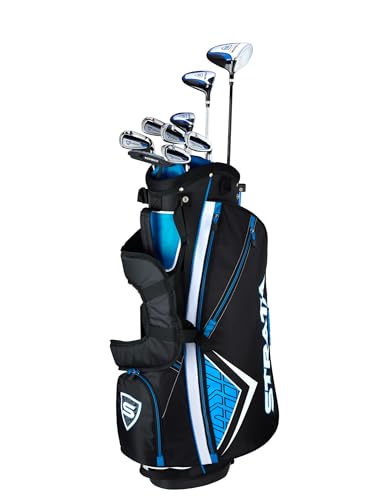
Callaway Golf Men's Strata Complete 12 Piece Package Set (Blue, 12 Piece (Strata), Men;s, Right Hand)
- Set Composition: 12-piece men's golf set
- Design Purpose: Maximize performance and confidence
- Driver: Lightweight 460cc forged driver
As an affiliate, we earn on qualifying purchases.
As an affiliate, we earn on qualifying purchases.