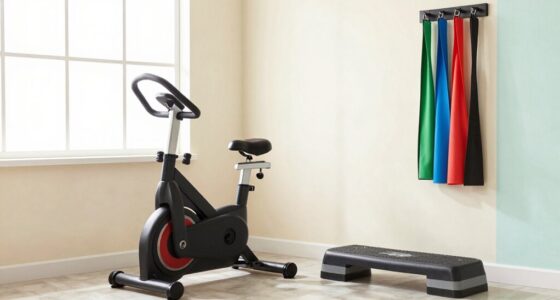

To build momentum with short workouts, set clear, achievable goals and track your progress. Incorporate enjoyable activities like music or outdoor exercises to stay motivated. Focus on consistency by making workouts manageable and rewarding small victories along the way. Prioritize proper nutrition and hydration to boost performance and recovery. Remember, small, regular efforts lead to big health benefits over time. Keep going, and you’ll discover more strategies to keep your routine sustainable and rewarding.
Listen free for 30 days with Audible
Thousands of audiobooks and originals — cancel anytime.
As an affiliate, we earn on qualifying purchases.
Key Takeaways
- Set clear, achievable goals to monitor progress and stay motivated.
- Incorporate variety and enjoyable activities to maintain engagement.
- Track workouts consistently to visualize improvements and build confidence.
- Prioritize proper nutrition and hydration to enhance performance and recovery.
- Celebrate small wins to reinforce commitment and sustain momentum.
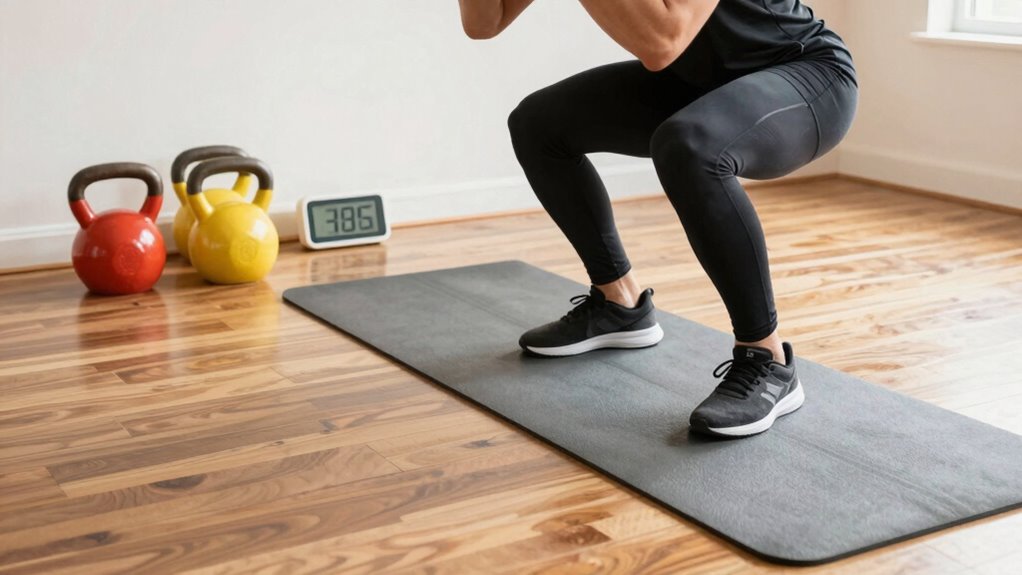
Starting a fitness routine can feel overwhelming, but short workouts are a smart way to build momentum without overcommitting. When you keep your sessions brief—say, 15 to 20 minutes—you’re more likely to stick with them consistently. This approach helps you develop a habit without the intimidation of lengthy gym sessions. As you start small, it’s essential to focus on nutrition tips that fuel your body properly. Eating a balanced meal with protein, healthy fats, and carbs before your workout provides the energy you need to perform well. Post-workout, prioritize protein intake to support muscle recovery. Staying hydrated throughout the day also plays a key role in maintaining your motivation and physical performance.
Short workouts boost consistency; fuel your body with balanced nutrition for optimal energy and recovery.
Motivation strategies become important when you’re working with shorter workouts. Setting clear, achievable goals helps you see progress faster, which keeps your enthusiasm high. For example, aim to complete three short workouts a week, gradually increasing intensity or duration as you get stronger. Tracking these workouts in a journal or app lets you visualize your improvement, reinforcing your commitment. Finding ways to make workouts enjoyable, like listening to your favorite music or trying different exercise routines, can also boost motivation. Remember, the consistency of these quick sessions adds up over time, creating a sense of accomplishment that fuels your desire to keep going. Incorporating natural pools into your routine can also provide a refreshing way to vary your workouts and enjoy outdoor activity.
Another motivation strategy is to reward yourself for sticking to your plan. Whether it’s a small treat, a relaxing bath, or new workout gear, celebrating your efforts makes the process more rewarding. Incorporate variety into your workouts to prevent boredom—mixing strength, cardio, and flexibility exercises ensures you stay engaged. As you build momentum, don’t forget to listen to your body. Rest days or lighter sessions are essential to avoid burnout and injury, helping you stay motivated long-term. Understanding the importance of consistent exercise can further enhance your progress and commitment. Additionally, recognizing that small, manageable sessions can lead to significant health benefits helps keep your goals realistic and achievable.
In the end, the key to building momentum with short workouts lies in consistency, proper nutrition, and smart motivation strategies. Small, manageable sessions remove barriers like time constraints and fatigue, making it easier to stay committed. With a focus on fueling your body right and keeping your spirits high, you’ll find that even quick workouts can lead to significant progress. Over time, these small victories will compound, transforming your routine into a sustainable, rewarding part of your life.
15-minute workout resistance bands
As an affiliate, we earn on qualifying purchases.
As an affiliate, we earn on qualifying purchases.
Frequently Asked Questions
How Long Should Each Short Workout Session Be?
You should aim for short workout sessions lasting about 15 to 30 minutes, depending on your fitness level. To maximize results, schedule your workouts around meal timing, such as before or after a light snack, and stay hydrated with proper hydration strategies. This approach helps maintain energy, prevents dehydration, and guarantees you stay consistent, making it easier to build momentum and see progress over time.
Can Short Workouts Replace Longer Exercise Routines Effectively?
They say, “Slow and steady wins the race,” and short workouts can definitely be effective. While they might not fully replace longer routines, you can maintain exercise consistency and diversify your workout variety with shorter sessions. The key is to stay committed and mix up your exercises regularly. When done consistently, short workouts boost your fitness, helping you stay on track without the time commitment of longer sessions.
What Types of Exercises Are Best for Quick Workouts?
You should focus on interval training and bodyweight exercises for quick workouts. Interval training boosts your heart rate with short bursts of activity, making your workout more effective in less time. Incorporate bodyweight exercises like push-ups, squats, and planks to target multiple muscle groups efficiently. These exercises are versatile, require no equipment, and can be combined into a high-intensity routine that maximizes your results in just a few minutes.
How Often Should I Do These Short Workouts Weekly?
You should aim for short workouts about three to five times a week, allowing your body time to recover and adapt. Incorporate stretching routines and use workout accessories to maximize effectiveness and prevent injury. Consistency is key, but listening to your body helps you balance effort and rest. By doing this, you’ll build momentum steadily, making each session feel like a step forward, not a burden.
Are There Specific Times of Day Best for Short Workouts?
You can do short workouts anytime, but the best times depend on your schedule and goals. For ideal scheduling, consider doing workouts after meals when you have energy, like mid-morning or early afternoon. If you prefer mornings, exercising before breakfast can boost metabolism. Align workout times with your meal timing for better energy and recovery. Ultimately, consistency matters more than specific times, so choose what fits your routine best.
waterproof Bluetooth workout speaker
As an affiliate, we earn on qualifying purchases.
As an affiliate, we earn on qualifying purchases.
Conclusion
Now that you know the secret to sparking success with swift, strategic sessions, it’s time to take action. Embrace the energizing ease of short workouts, and watch your willpower and wellness weave wonderfully together. With consistent commitment, you’ll build bold momentum, making your fitness journey feel fun, fulfilling, and finally, forever. So start small, stay steady, and savor the sweet, satisfying surge of success—you’re just a short step away from smashing your goals!
fitness journal for tracking workouts
As an affiliate, we earn on qualifying purchases.
As an affiliate, we earn on qualifying purchases.
As an affiliate, we earn on qualifying purchases.
NFL season / tailgating Picks
team gear
As an affiliate, we earn on qualifying purchases.