To improve your cardiovascular fitness as a beginner, start with low-impact activities like walking, cycling, or swimming, and keep your heart rate within 50-70% of your max. Use a heart rate monitor or smartwatch for real-time feedback, and gradually increase your workout duration and intensity. Focus on balanced nutrition, stay hydrated, and create a comfortable workout environment. Consistent effort and monitoring your progress will boost your endurance, and if you keep going, you’ll discover even more tips to stay motivated and safe.

Get workout gear delivered free with Prime
- Fast, free delivery on millions of items
- Prime Video, Amazon Music and more included
- Member-only deals all year
Key Takeaways
- Start with low-impact activities like walking or cycling, gradually increasing duration and intensity.
- Monitor your heart rate to stay within the target zone (50-70%) for safe, effective workouts.
- Maintain a balanced diet rich in complex carbs, lean proteins, and healthy fats to support cardiovascular health.
- Exercise consistently, aiming for at least 150 minutes of moderate activity weekly, and vary your routine.
- Ensure proper hydration, use comfortable equipment, and create a motivating environment for sustained engagement.

Improving your cardiovascular fitness is essential for overall health and stamina, and it’s easier to achieve than you might think. As a beginner, focusing on building a routine that keeps your heart engaged without overexerting yourself is key. One of the most effective ways to do this is through heart rate monitoring. When you exercise, keeping your heart rate within a target zone—typically 50-70% of your maximum heart rate—ensures you’re working hard enough to improve your fitness but not so hard that you risk injury or burnout. Using a simple heart rate monitor or smartwatch can give you real-time feedback, helping you adjust your intensity on the fly. This way, you stay consistent and safe, gradually increasing your endurance over time.
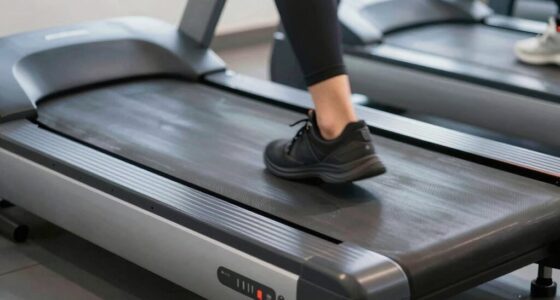
In addition to monitoring your heart rate, paying attention to your nutritional strategies makes a significant difference. Fueling your body properly before, during, and after workouts optimizes your energy levels and recovery. Focus on balanced meals that include complex carbohydrates, lean proteins, and healthy fats. Carbohydrates are your primary energy source during cardio, so eating foods like whole grains, fruits, or vegetables before exercising can boost your stamina. Staying hydrated is equally important, as dehydration can impair performance and recovery. Post-workout, replenishing lost electrolytes and nutrients supports muscle repair and helps you bounce back faster, encouraging consistent progress in your fitness journey. Incorporating proper contrast ratio considerations can also enhance motivation by making your workout environment more comfortable and engaging. Additionally, understanding how heart rate zones influence your workout intensity can help you tailor your efforts for better results. Starting with low-impact activities like brisk walking, cycling, or swimming allows your cardiovascular system to adapt gradually. Aim for at least 150 minutes of moderate exercise per week, broken into manageable sessions. As you gain confidence and endurance, increase the intensity or duration slightly, always keeping an eye on your heart rate to stay within your target zone. Incorporating variety keeps your routine interesting and challenges different muscle groups, speeding up your progress. Research has shown that music therapy or sound healing techniques can also boost motivation and emotional well-being during workouts, making it easier to stay consistent. Using proper equipment, such as well-fitted shoes or a reliable heart rate monitor, can further improve your workout safety and effectiveness.
heart rate monitor for beginners
As an affiliate, we earn on qualifying purchases.
As an affiliate, we earn on qualifying purchases.
Frequently Asked Questions
How Long Does It Take to See Noticeable Improvements?
You can start noticing noticeable improvements in your cardiovascular fitness within 4 to 6 weeks. To stay motivated, try progress tracking by recording your workouts and how you feel afterward. Celebrate small wins to boost your confidence. Incorporate variety in your routines to stay engaged. Consistency is key—stick with your plan, and over time, you’ll see your stamina and endurance improve, keeping you motivated to continue.
Can I Start Without Any Prior Exercise Experience?
Starting your fitness journey is like planting a seed—no prior experience is needed. As a beginner, your motivation fuels this growth, and consistency waters it. You can absolutely begin without previous exercise, just listen to your body and take small steps. Each effort builds momentum, turning tiny changes into lasting improvements. Stay committed, and you’ll see progress, boosting your confidence and cardiovascular health over time.
Is It Safe to Exercise With Existing Health Conditions?
Yes, exercising with existing health conditions can be safe if you first get a medical consultation and do a thorough risk assessment. Talk to your doctor about your medical history and any concerns before starting a new exercise routine. They can help you identify safe activities, recommend modifications, and guarantee you’re not putting yourself at unnecessary risk. Prioritizing professional guidance makes your fitness journey safe and effective.
How Often Should I Rest Between Workouts?
You should rest for about 48 hours between workouts to allow your body to recover properly. This rest duration helps prevent overtraining and reduces injury risk. For workout frequency, aim for 3 to 4 sessions per week as a beginner, gradually increasing as your fitness improves. Listen to your body, and if you’re feeling overly fatigued, take an extra rest day. Consistency and proper rest are key to improving cardiovascular fitness safely.
What Equipment Is Essential for Beginners?
Imagine stepping into your own fitness sanctuary—what essentials do you need? For home workouts, start with basic cardio equipment like a jump rope, a set of dumbbells, or a stationary bike. These tools make cardio accessible and versatile, perfect for beginners. You don’t need fancy gear—just the willingness to move. With this equipment, you can easily incorporate cardio into your routine and build endurance from the comfort of home.
fitness smartwatch with heart rate tracking
As an affiliate, we earn on qualifying purchases.
As an affiliate, we earn on qualifying purchases.
Conclusion
Remember, building your cardiovascular fitness is like tending a garden; patience and consistency will help your efforts bloom. Every step you take, whether a brisk walk or a gentle jog, plants seeds of strength and stamina. Over time, you’ll notice your heart beating stronger and your energy soaring like a bird in flight. Keep watering your progress with dedication, and soon you’ll reap the vibrant, thriving health you’ve been cultivating—your journey to a stronger heart has just begun.
low-impact exercise equipment for beginners
As an affiliate, we earn on qualifying purchases.
As an affiliate, we earn on qualifying purchases.
waterproof swimming goggles for beginners
As an affiliate, we earn on qualifying purchases.
As an affiliate, we earn on qualifying purchases.
Halloween Picks
halloween
As an affiliate, we earn on qualifying purchases.