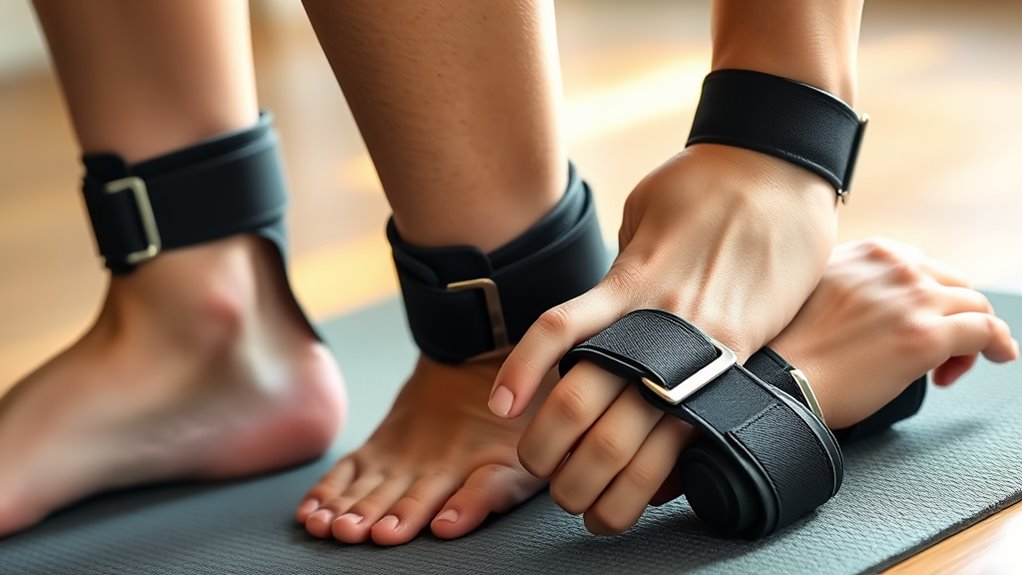
Ankle and wrist weights can help boost the intensity of your workouts and support rehabilitation by gradually activating weaker muscles. They’re useful for low-impact routines, injury recovery, and adding resistance to improve endurance and strength. However, if used improperly or excessively, they may cause strain or alter your movement patterns. To maximize benefits and stay safe, start light and gradually increase weight, but understanding how to use them properly is key for effective results.

Get workout gear delivered free — and shop member deals
- Fast, free delivery on millions of items
- Access to Prime Big Deal Days deals on October 6–7
- Prime Video, Amazon Music and more included
Key Takeaways
- Ankle and wrist weights can enhance exercise intensity and muscle activation when used properly.
- They are beneficial for low-impact rehab routines but may risk strain if overused or used improperly.
- Suitable for gradual strength building, especially during warm-ups or light workouts, not high-impact activities.
- Overuse or heavy weights can alter movement patterns and cause joint stress or injury.
- Consulting professionals and focusing on proper technique are essential for safe and effective use.
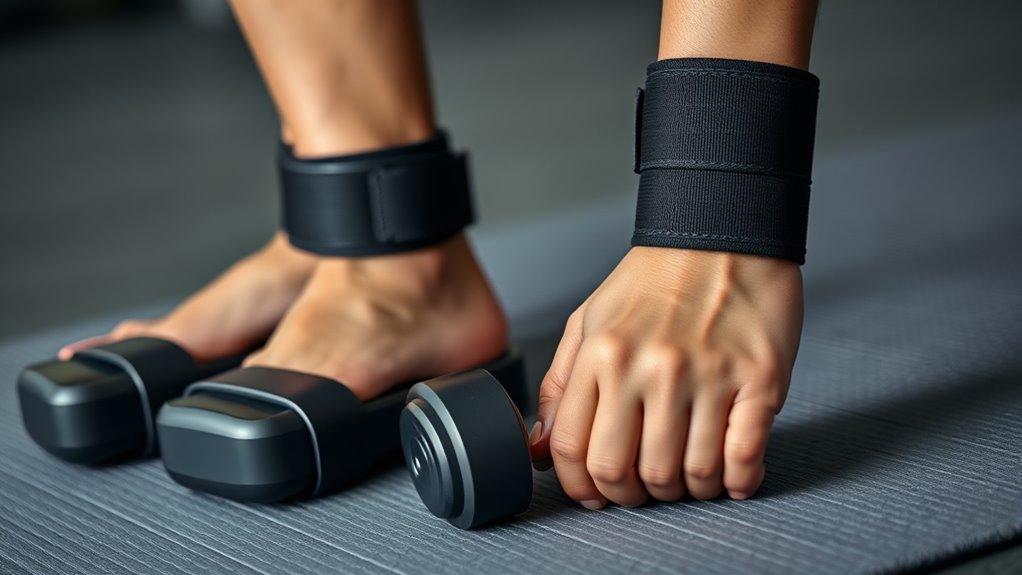
Are ankle weights and wrist weights worth adding to your workout routine? The answer depends on your goals and how you use them. Many people believe these weights can boost their exercise effectiveness, but it’s essential to understand their true benefits and limitations. If you’re focused on rehabilitation exercises, lightweight ankle and wrist weights can help rebuild strength gradually without overexerting your muscles. They add a bit of resistance, encouraging muscle engagement, which can be especially beneficial during recovery from injury or surgery. However, you need to be cautious, because improper use may lead to strain or setbacks.
Lightweight ankle and wrist weights can support safe strength rebuilding during rehab.
When it comes to athletic performance, some athletes incorporate ankle and wrist weights into their training to increase intensity. The idea is that by adding resistance, your muscles work harder, leading to faster strength gains. You might feel that wearing weights during simple movements or cardio exercises helps improve endurance and power over time. But it’s important to note that excessive or incorrect use can alter your natural movement patterns, potentially causing joint stress or injury. For example, running with heavy ankle weights might increase impact on your knees and hips, which isn’t always beneficial.
Many trainers suggest that ankle and wrist weights can be useful if integrated thoughtfully. For rehabilitation exercises, they’re often recommended for low-impact routines that focus on controlled movements. They can help activate muscles that might have weakened due to injury, aiding in a safe return to full activity. For enhancing athletic performance, some athletes wear them during warm-ups or light drills, not during intense training or competitions. This helps prevent overloading the muscles or risking injury. The key is to start with light weights—around one to three pounds—and gradually increase as your strength improves.
It’s also worth noting that these weights aren’t a magic solution. They won’t automatically make you stronger or faster. Instead, they should supplement a well-rounded training program that emphasizes proper technique and progressive overload. Overusing ankle and wrist weights can lead to altered biomechanics, which might hinder your progress or cause pain. If you decide to try them, listen to your body and stop if you experience discomfort.
Ultimately, ankle and wrist weights can be beneficial tools if used correctly, especially for rehabilitation exercises or light training. They’re not suitable for every workout or every individual, so consider your specific goals and consult with a fitness or medical professional if you’re unsure. When used thoughtfully, they can add variety and resistance, helping you achieve your fitness objectives safely and effectively.
lightweight ankle weights for rehabilitation
As an affiliate, we earn on qualifying purchases.
As an affiliate, we earn on qualifying purchases.
Frequently Asked Questions
Can Ankle and Wrist Weights Improve Athletic Performance?
Wearing ankle and wrist weights can improve your training benefits by enhancing resistance, but they may not substantially boost athletic performance. They change weight distribution, making muscles work harder during exercises, which can build strength and endurance. However, overusing them might cause strain or alter your natural movement. Use them carefully and sparingly, focusing on proper technique to get the most benefit without risking injury.
Are There Risks for People With Joint Issues Using Weights?
Using ankle and wrist weights can increase joint stress, especially if you have arthritis or joint issues. They might trigger flare-ups or cause discomfort if you’re not careful. It’s best to consult your healthcare provider before adding weights to your routine. If you do use them, start slowly, listen to your body, and stop if you experience pain or increased joint stress.
How Should I Choose the Right Weight Size?
Imagine your muscles as a garden, needing just the right watering can. For exercise progression, start with lighter weights that feel comfortable and allow proper form. Use weight selection tips like aiming for 1-2 pounds for beginners, gradually increasing as strength improves. Avoid going too heavy too soon to prevent strain. Listen to your body, and choose weights that challenge without causing discomfort, ensuring safe, steady progress.
Are There Age Restrictions for Using Ankle and Wrist Weights?
Yes, there are age restrictions for using ankle and wrist weights. Kids and teenagers should avoid heavy weights because of developing muscles and joints. For adults, consider weight considerations carefully, starting with lighter options to prevent injury. Always consult a healthcare professional if you’re unsure about age restrictions or weight limits, especially for younger or older users, to guarantee safe and effective use.
Can Wearing Weights Cause Muscle Imbalance or Injury?
Wearing weights can cause muscle imbalance and joint strain if you don’t use them properly. They may lead to overworking certain muscles while others weaken, increasing the risk of injury. To avoid this, start with light weights, limit usage time, and focus on balanced movements. Always listen to your body, and consider consulting a trainer or physical therapist to prevent imbalanced muscles and joint strain.
wrist weights for strength training
As an affiliate, we earn on qualifying purchases.
As an affiliate, we earn on qualifying purchases.
Conclusion
If you think ankle and wrist weights are just small accessories, think again. They can turn your workout into a powerhouse of efficiency, making every move feel like you’re lifting mountains. With them, you’ll blast through your fitness goals faster than you ever imagined—like rocket fuel for your routines. So, don’t underestimate these tiny weights; they might be the secret weapon that transforms your sweat sessions into unstoppable, record-breaking sessions!
resistance ankle and wrist weights for exercise
As an affiliate, we earn on qualifying purchases.
As an affiliate, we earn on qualifying purchases.
adjustable ankle weights for workout
As an affiliate, we earn on qualifying purchases.
As an affiliate, we earn on qualifying purchases.
Fall Picks
fall essentials
As an affiliate, we earn on qualifying purchases.