TL;DR
The available report headline signals a list of five feel-good fitness and wellbeing trends to embrace this autumn. No article text was available, so the trends, their evidence and any expert recommendations cannot be confirmed.
A report titled “Feel-good fitness and wellbeing trends to embrace this autumn” points to five seasonal ideas, but the available information contains only the headline, not the article’s list or supporting details. Readers therefore cannot yet verify which activities it recommends or what evidence, if any, supports them.

Get workout gear delivered free with Prime
- Fast, free delivery on millions of items
- Prime Video, Amazon Music and more included
- Member-only deals all year
The headline frames the piece as a guide to five trends connected with fitness and wellbeing during autumn. It does not identify the trends, explain how they were selected, or say whether they refer to exercise formats, routines, products or broader lifestyle practices. No specific recommendation can be attributed to the report from the material available.
There is also no accompanying information about the publication date, the intended audience, or any reporting behind the list. The headline alone does not establish that the trends are new, widely adopted or supported by research. It signals a seasonal roundup rather than confirming measurable changes in how people exercise or approach wellbeing.
No named professionals, studies, organisations or direct quotations are included in the available details. That means claims about benefits, popularity or safety cannot be checked here. The five items should not be guessed at or presented as confirmed recommendations without the article text.
Autumn briefing · What the report confirms
5 Feel-good Fitness And Wellbeing Trends To Embrace This Autumn
The headline promises five seasonal ideas. The article text is unavailable, so the trends, supporting evidence and expert guidance cannot yet be verified.
01 / What is established
What the available information actually says
The report body could not be retrieved. These are the boundaries of what can be responsibly stated.
Fitness and wellbeing
The headline presents the piece as a seasonal roundup connected with both subjects.
Autumn ideas
Autumn is the only time frame named. No location, publication date or trend timeline is supplied.
The five items
No activities, products, classes or routines appear in the available details.
02 / Why context matters
Seasonal ideas need practical detail
A title alone cannot tell readers how a suggestion works or whether it fits their circumstances.
Do not treat the headline as health advice
Without the full list and supporting information, readers cannot assess suitability, cost, equipment needs, instruction, accessibility or evidence. No benefit or safety claim can be checked here.
03 / Verification checklist
Questions the article would need to answer
These details would turn a seasonal headline into a useful, checkable guide.
What are the five trends?
The available material does not name any of them.
What supports the suggestions?
No studies, data, organisations or expert comments are included.
Are they new or widely used?
The headline offers no dates, adoption figures or comparisons with earlier seasons.
Who might each idea suit?
No guidance about fitness level, access, cost or personal circumstances is available.
Trace the evidence
From headline to verified advice
The next step is to consult a complete copy of the article. Until then, its practical recommendations and evidence remain unverified.
Headline available
Five autumn trends are promised.
Article missing
List, sourcing and advice are not visible.
Claims unchecked
Benefits, popularity and suitability cannot be assessed.
Full text needed
Verify each recommendation and its support.
04 / Confidence snapshot
What can be verified from this material?
These bars represent information available in the supplied text, not ratings of the report itself.
The short bars indicate missing details in the provided material; they do not measure the quality or truth of the original article.
05 / Reader questions
What readers can know right now
The supplied information supports a cautious, limited reading of the headline.
Does the report list five trends?
The headline promises five, but the available information does not name them.
Does it provide evidence?
That cannot be determined. No studies, data or expert commentary appear in the supplied details.
Are the ideas especially popular or new?
The headline calls them trends, but supplies no evidence about when they began or how widely they are used.
Can readers judge personal suitability?
Not from the headline alone. The recommendations and any suitability guidance are unavailable.
Why the Missing Details Matter
Seasonal fitness coverage can help readers find routines that feel manageable as weather, daylight and daily schedules change. But a headline does not tell readers whether a suggestion is suitable for their circumstances, how much it costs, or whether it requires equipment, instruction or a particular level of fitness.
Without the full list and its supporting information, the report cannot serve as a practical guide. Readers should treat the headline as notice of a roundup, not evidence that any particular practice improves health or wellbeing. That distinction matters because lifestyle recommendations can vary in accessibility and suitability from person to person.
Products Worth Considering
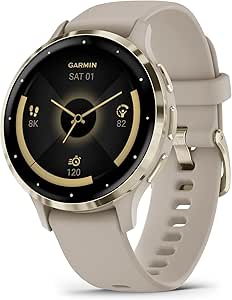
Garmin Venu 3S GPS Fitness Smartwatch, 41 mm, French Gray

OMRON Complete 2-in-1 Upper Arm Blood Pressure Monitor with EKG

Levoit Vital 100S-P Air Purifier with Washable Pre-Filter
As an affiliate, we earn on qualifying purchases.
What the Autumn Headline Establishes
The only confirmed detail is the headline’s promise of five feel-good fitness and wellbeing trends associated with autumn. It gives no location, survey results, expert input or timeline beyond the season named in the title. There is no basis to describe the items as the year’s leading trends or to compare them with earlier seasons.
Fitness and wellbeing roundups commonly present suggestions for readers to try, but that general format does not confirm what this particular report contains. In this case, the article body could not be retrieved, so adding familiar seasonal ideas would risk attributing recommendations the report may not have made.
The Five Trends Remain Unknown
The central unknown is which five trends the headline refers to. The available material does not show whether the article names activities, products, classes or habits, or whether it gives advice about adapting them to individual needs.
It is also unclear who compiled the list, what evidence informed it, when it was published and whether any of the suggestions are described as newly emerging. No claims about results, popularity, cost or health effects can be confirmed from the headline alone.
Full Article Needed to Verify
The next step is to consult the full article or a complete copy of its text. That would allow readers to identify the five recommendations, check any attributed statements and distinguish editorial suggestions from claims backed by research. Until those details are available, the report’s practical advice and supporting evidence remain unverified.
Key Questions
What are the five autumn fitness and wellbeing trends?
The available information does not list them; it contains only the report headline.
Does the report provide evidence for the trends?
That cannot be determined without the article text. No studies, data or expert commentary appear in the available details.
Are the trends described as new or especially popular?
The headline calls them trends but does not provide evidence of when they began or how widely they are used.
Can readers assess whether the suggestions are suitable for them?
Not from the headline alone. The recommendations and any guidance about suitability are not available.
Source: rss