
TL;DR

Get workout gear delivered free with Prime
- Fast, free delivery on millions of items
- Prime Video, Amazon Music and more included
- Member-only deals all year
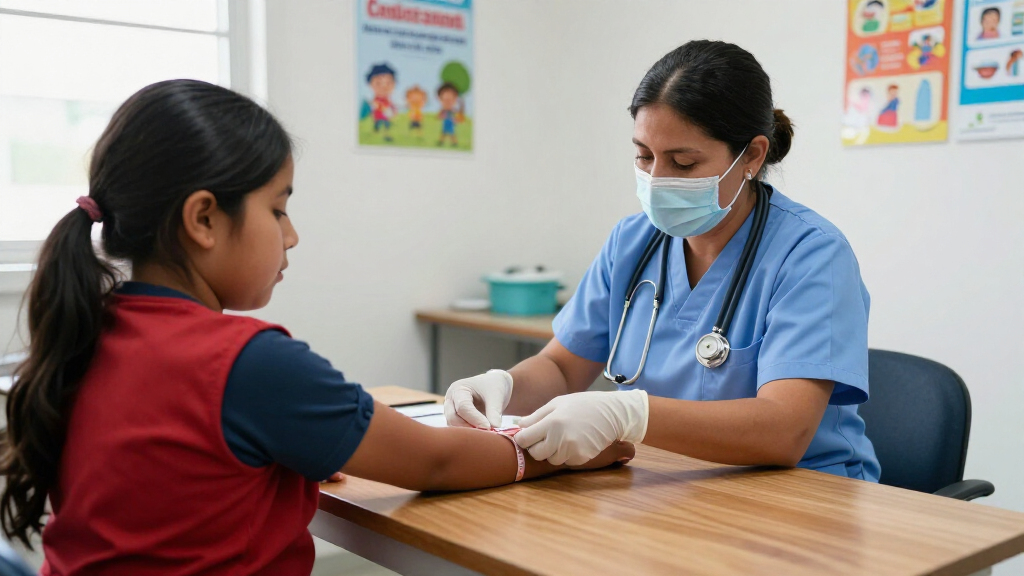
Twenty children from the Awajún community in Condorcanqui are traveling to Lima for medical evaluations. Ten of them have diagnosed health issues that could need surgical intervention, highlighting ongoing healthcare disparities.
Twenty children from the Awajún community in Condorcanqui are traveling to Lima for comprehensive medical evaluations. According to local sources, ten of these children have diagnosed health conditions that may require surgical treatment, raising concerns about healthcare access and disparities for indigenous populations in remote regions.
The children, aged between 4 and 15, are part of a medical outreach initiative aimed at providing specialized health assessments not available locally. The evaluations are scheduled to take place in the coming weeks at a Lima hospital, with the children accompanied by their families and local health workers. The initial diagnoses indicate that half of the group, specifically ten children, have conditions that could necessitate surgery, though further assessments are needed to confirm treatment plans.
Officials from the regional health authority in Amazonas confirmed that the children are being referred to Lima following a series of preliminary screenings conducted in Condorcanqui. The specific health issues identified include congenital anomalies and chronic conditions that have gone untreated due to limited local healthcare infrastructure. The children’s families have expressed relief that their children will receive specialized care, but concerns remain about the long-term support and follow-up after treatment.
Implications for Indigenous Healthcare Access
This situation underscores ongoing disparities in healthcare access for indigenous communities in Peru, particularly in remote Amazon regions like Condorcanqui. The fact that these children must travel to Lima for evaluations highlights the limited capacity of local health services to diagnose and treat complex conditions. The potential need for surgery in half of the group raises questions about the availability of specialized surgical care in rural areas and the broader challenge of health equity for indigenous populations.
Moreover, these cases bring attention to the importance of early detection and intervention for congenital and chronic illnesses, which can significantly improve health outcomes if addressed promptly. The initiative to bring children to Lima reflects efforts to bridge healthcare gaps, but it also emphasizes the need for sustainable improvements in local health infrastructure and services.
pediatric surgical instruments kit
As an affiliate, we earn on qualifying purchases.
As an affiliate, we earn on qualifying purchases.
Healthcare Challenges in Remote Amazon Communities
Condorcanqui, a district in the Amazonas region, is characterized by its remote location and limited healthcare infrastructure. Indigenous communities like the Awajún face significant barriers to accessing specialized medical services, often relying on outreach programs or travel to urban centers for treatment. Previous reports have highlighted the scarcity of pediatric specialists and surgical facilities in these areas, resulting in delayed diagnoses and untreated conditions.
In recent years, government and NGO initiatives have aimed to improve healthcare delivery in the Amazon, including mobile clinics and medical missions. However, logistical challenges and resource constraints continue to hinder comprehensive healthcare access. The current case of these 20 children is part of a broader pattern illustrating the urgent need for sustainable healthcare solutions in indigenous territories.
medical assessment tools for children
As an affiliate, we earn on qualifying purchases.
As an affiliate, we earn on qualifying purchases.
Unconfirmed Details on Medical Diagnoses and Follow-Up
While initial diagnoses indicate that ten children may require surgery, the exact nature of their conditions and the definitive treatment plans are still being determined through further assessments. It is also unclear how long the children will remain in Lima and what support systems will be in place for their recovery and ongoing care after treatment.
Additionally, the capacity of local health services to manage post-surgical care and follow-up remains uncertain, raising questions about the sustainability of the current intervention model.
portable ultrasound device for pediatric use
As an affiliate, we earn on qualifying purchases.
As an affiliate, we earn on qualifying purchases.
Next Steps in Medical Evaluation and Community Support
The children are scheduled to undergo detailed medical evaluations in Lima over the next few weeks. Following these assessments, treatment plans will be finalized, and surgeries or other interventions will be scheduled as needed. Authorities are also expected to coordinate follow-up care and support for the children upon their return to Condorcanqui, although specifics are still being developed.
Efforts are underway to ensure that families receive guidance and support throughout this process, and health authorities are exploring ways to improve local healthcare infrastructure to prevent similar situations in the future.
child congenital anomaly diagnosis kit
As an affiliate, we earn on qualifying purchases.
As an affiliate, we earn on qualifying purchases.
Key Questions
Why do these children need to travel to Lima for evaluations?
Local healthcare facilities in Condorcanqui lack the specialized services needed to diagnose and treat complex conditions, so children are referred to Lima for comprehensive assessments.
What types of health issues have been diagnosed in these children?
Initial assessments suggest some children have congenital anomalies and chronic health conditions that may require surgical intervention, though detailed diagnoses are pending further evaluation.
Will the children stay in Lima permanently?
Most children will stay in Lima temporarily for evaluations and potential surgeries. The exact duration depends on their diagnoses and treatment plans, which are still being finalized.
What are the long-term implications for these children and their communities?
The cases highlight ongoing healthcare disparities and the need for improved local medical infrastructure to support indigenous populations in remote areas like Condorcanqui.
Are there plans to improve healthcare access in Condorcanqui?
Authorities and NGOs are exploring strategies to strengthen local health services, but concrete, large-scale improvements are still in development.
Source: local
Halloween Picks
halloween
As an affiliate, we earn on qualifying purchases.