
TL;DR
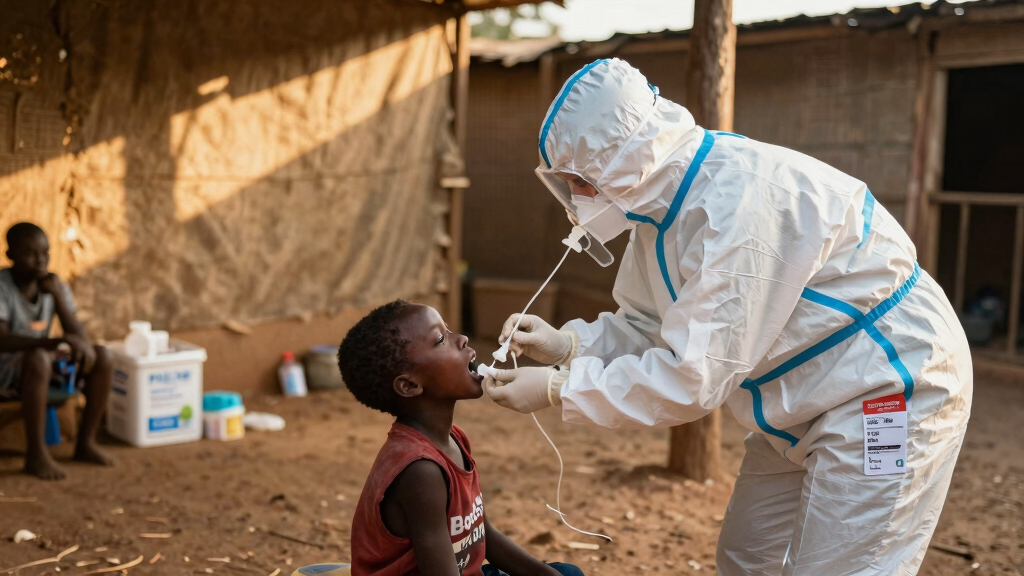
The Ebola outbreak in the Democratic Republic of the Congo has now surpassed 1,000 confirmed cases. UNICEF warns that millions of children are at risk due to the spread of the virus. The situation remains urgent and evolving.
The Ebola outbreak in the Democratic Republic of the Congo has officially surpassed 1,000 confirmed cases, according to health authorities. UNICEF has issued a warning that millions of children are at increasing risk due to the spread of the virus. This development underscores the urgent need for enhanced response efforts to contain the outbreak and protect vulnerable populations.

Get workout gear delivered free with Prime
- Fast, free delivery on millions of items
- Prime Video, Amazon Music and more included
- Member-only deals all year
Health officials in the Democratic Republic of the Congo confirmed that the number of Ebola cases has now exceeded 1,000, marking one of the most severe outbreaks in recent years. The outbreak, which began earlier this year, has affected multiple provinces, with the most recent figures indicating a continued rise in new cases.
UNICEF has warned that the ongoing outbreak poses a significant threat to children, with estimates suggesting that millions are at risk of infection, disruption, and long-term health impacts. The agency emphasizes that children are particularly vulnerable due to their weaker immune systems and the challenges of access to healthcare in affected regions.
Efforts to contain the virus include vaccination campaigns, contact tracing, and community engagement. However, security issues, logistical challenges, and vaccine hesitancy have hampered the response, complicating efforts to curb the spread.
Why Surpassing 1,000 Cases Intensifies Global Concern
The crossing of the 1,000-case threshold highlights the severity and scale of the outbreak, increasing the risk of wider regional spread. It also signals a potential strain on healthcare resources in the DRC and underscores the importance of international support. UNICEF’s warning about the risk to millions of children emphasizes the outbreak’s broader social and humanitarian implications, as children face increased exposure to infection, disruption of education, and long-term health consequences.
Products Worth Considering

Withings Sleep Under-Mattress Sleep Tracking Pad

Levoit Vital 100S-P Air Purifier for Home and Pets

Garmin Forerunner 570 GPS Running Smartwatch, 42 mm, Aluminum Bezel, Bone/Mango
As an affiliate, we earn on qualifying purchases.
Recent Developments and Response Efforts in the DRC Ebola Outbreak
The current Ebola outbreak was declared earlier this year in the eastern provinces of North Kivu and Ituri. Since then, the number of cases has steadily increased, with health authorities and international partners scaling up vaccination and treatment efforts. Previous outbreaks in the region have been challenging to control due to ongoing conflict, poor infrastructure, and community resistance. The current situation reflects these persistent challenges, with health agencies warning that the outbreak could worsen if containment measures are not intensified.
“We are deeply concerned about the rapid spread of Ebola and the risk it poses to millions of children. Urgent action is needed to protect them from infection and ensure access to healthcare.”
— UNICEF spokesperson
Uncertainties Surrounding Outbreak Control and Future Spread
It is not yet clear how quickly the outbreak can be contained, given ongoing security issues, logistical challenges, and vaccine hesitancy. The full extent of the infection’s spread beyond current affected areas remains uncertain, as does the long-term impact on children and health systems.
Next Steps in Containment and Protecting Children
Authorities and international partners are expected to intensify vaccination campaigns, community engagement, and surveillance efforts. Monitoring the outbreak’s progression will be crucial, along with increased support to healthcare infrastructure. UNICEF and other agencies will likely expand their protective measures for children, including health, nutrition, and education programs, as the situation develops.
Key Questions
How many Ebola cases have been confirmed in the DRC?
Over 1,000 confirmed cases have been reported in the Democratic Republic of the Congo.
Why are children particularly at risk in this outbreak?
Children are more vulnerable due to weaker immune systems, limited access to healthcare, and the disruption caused by the outbreak in affected regions.
What efforts are being made to contain the outbreak?
Vaccination campaigns, contact tracing, community engagement, and international support are ongoing to control the spread of Ebola.
What are the main challenges in controlling the outbreak?
Security issues, logistical difficulties, vaccine hesitancy, and community resistance are significant obstacles to containment efforts.
What is UNICEF warning about?
UNICEF warns that millions of children are at risk of infection, disruption, and long-term health impacts due to the outbreak.
Source: google-trends