
TL;DR

Get workout gear delivered free with Prime
- Fast, free delivery on millions of items
- Prime Video, Amazon Music and more included
- Member-only deals all year
An essayist describes hiring personal trainer Tessa Benz for three months of strength training after pregnancy, birth and postpartum experiences disrupted her confidence in exercise. She says individualized coaching helped her rebuild strength and trust, though the source does not identify her or provide independent evidence about outcomes.
A mother who says pregnancy, birth and postpartum pain left her uncertain about exercising describes how three months with personal trainer Tessa Benz helped her rebuild strength and confidence. In the first-person account, she says the work also helped restore trust in her body, a personal outcome she links to coaching tailored to her physical limits, goals and fears.
The writer says she had spent about five years pregnant, postpartum or breastfeeding and found that her previous exercise habits no longer fit her life. After struggling for months to maintain a routine, she and her family used their summer childcare budget to hire Benz. They met twice a week, on Tuesday and Thursday mornings, over the summer.
The account describes a history that shaped the training: the writer says she experienced hyperemesis gravidarum in both pregnancies, a 26-hour labor with her daughter and a precipitous, unmedicated birth with her son. She also reports pelvic pain after delivery and abdominal separation that made rebuilding core strength difficult. She says she had little time to process those experiences before beginning training.
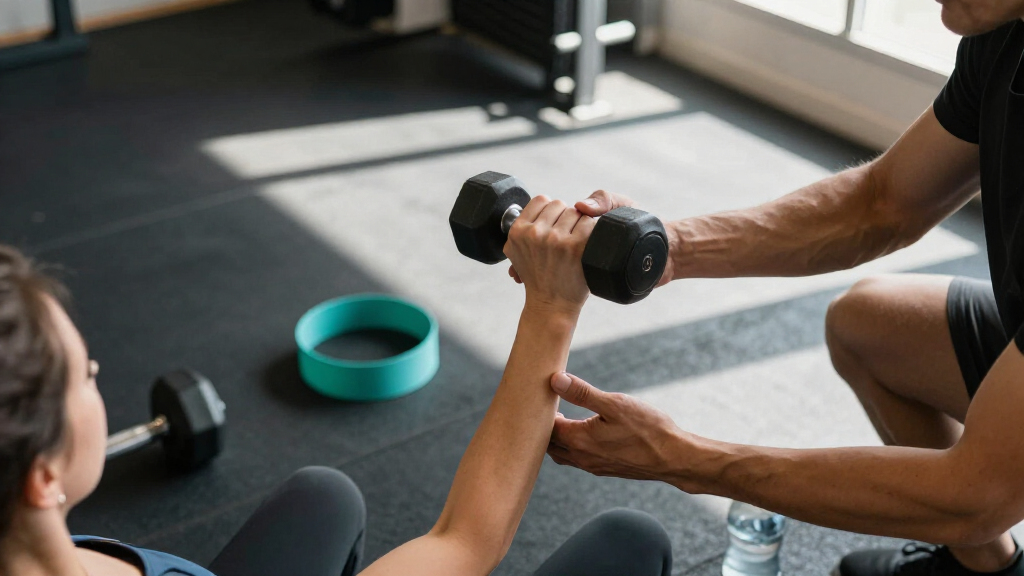
Sessions initially focused on core strength, with the writer monitoring for abdominal coning. She says the exercises were exhausting and that one-on-one guidance helped her feel able to work without having to judge her limits alone. Benz asked about her lifestyle, goals and fears and adjusted the sessions to the writer’s needs. The writer says the trainer also considered her family schedule and mental load, and tracked her menstrual cycle to coordinate workouts.
First-Person Essay · Postpartum Strength Training
What Hiring A Personal Trainer Taught Me About Bodily Trust
After roughly five years pregnant, postpartum or breastfeeding, one writer found her old exercise habits no longer fit her life. Three months of tailored strength coaching with trainer Tessa Benz — funded by the family’s summer childcare budget — became her path back to strength, confidence and trust in her own body.
The Development
A Body, and a Mind, That Had Changed
The writer describes a history that shaped everything: pregnancy symptoms that limited activity, postpartum pelvic pain that eased only with consistent strength training, and abdominal separation (diastasis recti) that made rebuilding core strength difficult. She had little time to process those experiences before training began.
Barrier 01
Disrupted Confidence
Once positive about exercise, she restarted feeling weak and afraid of injury. Old habits and routines simply no longer matched her changed body and daily demands.
Barrier 02
Physical Setbacks
Pelvic pain after delivery and abdominal separation made ordinary core work difficult. She monitored every early exercise for abdominal coning.
Barrier 03
Unprocessed Experience
Between a 26-hour labor, a precipitous unmedicated birth, and years of caregiving, she says she had little time to process what her body had been through.
The Method
Coaching Built Around Her Limits, Goals and Fears
Benz asked about the writer’s lifestyle, goals and fears, then adjusted every session to her needs — including her family schedule, mental load, and even her menstrual cycle, which she tracked to coordinate workouts.
Intake Conversation
A holistic method is described; strength training framed as one way people may learn to trust their bodies again.
Core-First Sessions
Early work targeted core strength while the writer watched for coning — exhausting, but guided one-on-one.
Continuous Adaptation
Sessions adjusted to physical limits, family schedule, mental load and menstrual-cycle tracking.
Recovery Is Queen
The account closes its described period by emphasizing recovery — though that section remains incomplete in the source.
In Their Words
Three Voices From the Account
My body and my mind had changed — what worked for me in the past needed to be overhauled and redesigned for who I am today.
— The WriterWhat makes a great trainer is that they take themselves out of the equation… and bring you to your goal in a way that feels challenging but still doable for you.
— Tessa Benz, Train With TessaI trusted her.
— The WriterEvidence Check
What the Account Does — and Does Not — Establish
The source is a first-person essay. It offers a personal experience, not clinical evidence that this approach works for everyone after pregnancy or birth.
Not Identified
No writer’s name, publication date, specific exercises, training loads, or measured changes in strength are provided.
Not Clinically Assessed
No independent assessment of pelvic pain or abdominal separation — and no evidence training caused any change in those conditions.
Credentials Unclear
Benz’s credentials and any medical or pelvic health care alongside the training are not included.
Outcome Unknown
No planned follow-up, no description of continued training after summer, and no longer-term results beyond the three months.
At a Glance
Key Questions, Answered
| Question | What the Account Says | Evidence Status |
|---|---|---|
| What did she gain from training? | Rebuilt core strength and confidence; restored some trust in her body after pregnancy and birth. | ✓ Self-reported |
| How often did she train? | Twice a week — Tuesday and Thursday mornings — with Tessa Benz over the summer. | ✓ Stated |
| Why did the approach feel suitable? | Benz considered goals, fears, physical limits, family schedule and mental load — responsive rather than “tough love.” | ✓ Self-reported |
| Does training treat postpartum pain? | Reports pelvic pain and abdominal separation, but no treatment effect or clinical assessment is established. | ✗ Not established |
| Did progress continue after summer? | The excerpt ends as “Recovery is queen” begins; no follow-up details are given. | ✗ Unknown |
Personalized Coaching After Childbirth
The essay describes a challenge that can be hard to capture with a workout plan alone: returning to exercise when a person’s body, daily demands and sense of physical confidence have changed. The writer says having a trainer who adapted the work helped her focus on participating while relying on professional guidance about progression and form.
Her account is a personal experience, not evidence that a specific training approach works for everyone after pregnancy or birth. It does show how she evaluated the relationship: she wanted direction that felt challenging but manageable, and says trust in her trainer was central to her progress. That distinction may help readers think about fit, communication and individual goals when considering a trainer.
A Return to Strength Training
The writer says she had previously felt positive about exercise but began again feeling weak and afraid of injury. Her pregnancy symptoms limited her activity, and she reports that postpartum pelvic pain eased only when she was consistently strength training. Abdominal separation also affected her effort to regain core strength, she says.
Before starting, she already appreciated Benz’s approach from following her online. In an intake conversation, the trainer described a holistic method and discussed strength training as one way people may learn to trust their bodies again. The writer says she sought someone who could adapt a plan to her history and changing capacity instead of relying on a rigid or confrontational style.
““My body and my mind had changed — what worked for me in the past needed to be overhauled and redesigned for who I am today.””
— The writer
What the Account Does Not Establish
The source is a first-person account and does not give the writer’s name, the publication date, or details such as the specific exercises, training loads or measured changes in strength. It does not report an independent clinical assessment of her pelvic pain or abdominal separation, or establish that the training caused any change in those conditions.
The account also does not include Benz’s credentials, details of any medical or pelvic health care alongside training, or information about longer-term results after the three-month period. The excerpt ends as a section titled “Recovery is queen” begins, leaving the writer’s discussion of recovery incomplete.
Progress Beyond the Summer Sessions
The account does not describe a planned follow-up or say whether the writer continued training with Benz after the summer. It closes the described period by emphasizing recovery, but the available text provides no further details about rest, programming or later progress.
For readers considering a return to exercise after pregnancy, the source offers the writer’s experience of seeking individualized support. It does not provide a medical assessment or a general recovery plan, and it leaves open how her strength and bodily trust developed after the sessions ended.
Key Questions
What did the writer say she gained from personal training?
She says three months of tailored strength training helped her rebuild core strength and confidence, and restore some trust in her body after pregnancy and birth.
How often did she train?
She says she met with Tessa Benz twice a week, on Tuesday and Thursday mornings, during the summer.
What made the trainer’s approach feel suitable to her?
The writer says Benz considered her goals, fears, physical limits, family schedule and mental load. She valued guidance that was responsive rather than based on tough love.
Does the account show that personal training treats postpartum pain?
No. It reports the writer’s experience, including pelvic pain and abdominal separation, but does not establish a treatment effect or provide a clinical assessment.
Source: rss
Fall Picks
fall essentials
As an affiliate, we earn on qualifying purchases.