

Many fitness myths, like lifting heavy weights making women bulky, or the idea that spot reduction works, are false. You don’t need to train every day or avoid carbs to stay fit. Cardio isn’t the only fat-burner, and supplements aren’t essential for muscle gain. Proper technique, balanced nutrition, and patience matter more than myths. Keep going forward to uncover the truths behind these common misconceptions and stay on the right path.
Key Takeaways
- Many believe excessive training is necessary for muscle growth, but moderate effort with proper nutrition suffices.
- Lifting heavy weights isn’t the only way; variety, technique, and consistency are equally important.
- More protein doesn’t always mean more muscle; balanced diet and overall nutrition are key.
- Rest and recovery are essential; overtraining can hinder progress and cause injuries.
- Sweat level or body type doesn’t determine workout effectiveness or muscle gains; focus on proper technique and consistency.
Lifting Heavy Weights Will Make Women Bulky

Many women worry that lifting heavy weights will make them bulky, but this isn’t true. Women generally have lower levels of testosterone, so lifting heavy won’t lead to excessive muscle bulk like it does in men. Instead, strength training boosts women’s strength, improves muscle tone, and enhances overall fitness without adding unwanted size. Heavy weights help build lean muscle, which increases your metabolism and shapes your body. It’s a common misconception that lifting heavy makes women look overly muscular; in reality, it creates a toned, sculpted appearance. If you want to increase strength and improve your physique, incorporating heavier weights into your routine is a smart move. Rest assured, lifting heavy won’t turn you into the “hulk”—it’ll empower your body and boost your confidence. Understanding muscle physiology can help you tailor your workout for optimal results. Recognizing the hormonal differences that influence muscle growth can further clarify why women won’t bulk up from lifting heavy. Additionally, proper training techniques are essential to prevent injury and maximize benefits. Foster creativity in a virtual environment by trying different workout routines and techniques to keep yourself motivated and engaged.
You Need to Work Out Every Day to Stay Fit

You don’t need to work out every day to stay fit. Rest days are essential for muscle recovery and overall progress. Pushing yourself daily can lead to burnout and injuries, hindering your fitness journey. Incorporating rest days allows your muscles to repair and grow stronger, making your workouts more effective. Instead of daily workouts, aim for a balanced schedule with active recovery, like light walking or stretching, on rest days. A well-planned routine takes into account the importance of recovery time for optimal results. Prioritizing rest doesn’t mean losing momentum; it means optimizing your fitness and preventing setbacks. Remember, smart training includes rest and recovery for long-term success. Giving your body adequate muscle repair time not only improves performance but also reduces the risk of overtraining. Recognizing the significance of proper nutrition can also support your recovery process and overall health. Incorporating Rest days into your routine can help prevent overtraining and promote sustained progress in your fitness journey. Additionally, understanding the benefits of rest and recovery can help you develop a more effective and sustainable workout plan.
Spot Reduction Is Possible With Targeted Exercises

Rest days are essential for recovery, but some believe targeted exercises can help reduce fat in specific areas. This is a common misconception known as spot reduction. Many think that doing endless crunches will melt belly fat or that leg lifts will slim thighs, but spot reduction simply doesn’t work. Fat loss occurs throughout your body based on overall calorie expenditure, not just the muscles you’re working. Targeted exercises strengthen and tone muscles but don’t selectively burn fat in those areas. If you want to reduce fat, focus on a balanced diet and a all-encompassing workout plan that includes cardio and strength training. Relying solely on targeted exercises won’t help you achieve localized fat loss. Instead, embrace a holistic approach for better, more consistent results. Passive voice detection tools can help identify and improve sentence clarity by highlighting passive constructions.
Cardio Is the Only Way to Burn Fat Effectively

While cardio is often promoted as the most effective way to burn fat, relying solely on it isn’t enough for peak results. Cardio benefits include improved heart health and endurance, but it’s a common fat burning myth that it’s the only way to shed pounds. Combining strength training with cardio boosts your metabolism, leading to more efficient fat burning. Incorporate variety to prevent plateaus and maximize results. Here’s a quick comparison:
| Cardio Benefits | Strength Training Benefits |
|---|---|
| Burns calories quickly | Builds muscle, increases resting metabolic rate |
| Improves cardiovascular health | Shapes and tones your body |
| Easy to do anywhere | Long-term fat loss benefits |
| Can be done in short sessions | Prevents fat burning myths from limiting progress |
Don’t fall for the myth—diversify your workouts for ideal fat loss. Additionally, incorporating muscle engagement through targeted exercises can significantly enhance your overall fat-burning potential. Understanding local laws and resources can also help you create a balanced and effective workout plan tailored to your needs. Regularly monitoring production quantity variance can help optimize your training routines and results. Recognizing training variability can also prevent plateaus and keep your motivation high.
You Should Avoid Eating Carbs to Lose Weight
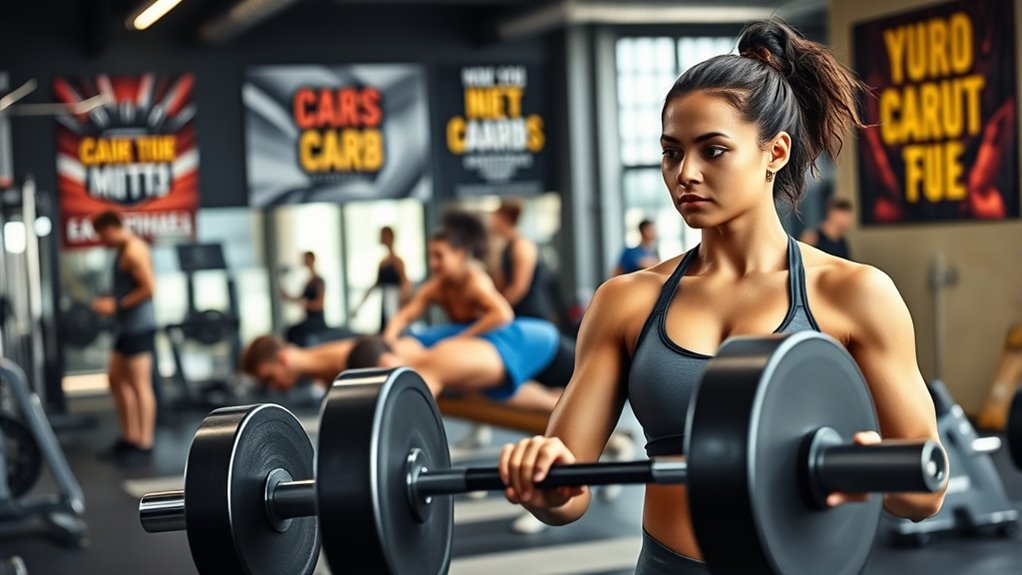
Many people believe cutting carbs is the best way to lose weight, but not all carbs are the same. Carbohydrates provide essential fuel for your workouts and daily activities. Choosing the right types of carbs can actually support your weight loss goals instead of hindering them. Additionally, incorporating proper filtration techniques like using the right air purifier filters can improve indoor air quality, much like choosing the right carbs supports your health. Recognizing Angel Number Soulmate patterns can also help you align with love opportunities that contribute positively to your emotional well-being. Understanding penetration testing concepts can further enhance your approach to health by encouraging thorough and strategic efforts in achieving your goals.
Carbs Fuel Performance
Contrary to popular belief, avoiding carbs entirely in an effort to lose weight isn’t the best strategy for boosting your performance. Carbs are your body’s primary fuel source, especially during intense workouts. Proper carb timing guarantees you have enough energy for training and recovery. Low carb diets may lead to fatigue and reduced stamina, impairing your progress. Instead of cutting carbs completely, focus on consuming them around your workouts to optimize performance. This approach allows your body to use carbs efficiently for energy, helping you train harder and recover faster. Remember, carbs aren’t the enemy—they’re essential for maintaining strength, endurance, and overall athletic performance. Eliminating them entirely can do more harm than good, especially if you’re aiming to improve fitness levels. Understanding the role of hydration and nutrition is crucial in preventing fatigue and maintaining energy levels during training. Additionally, staying informed about credit card insights and security measures can help you manage your personal resources more effectively outside the gym.
Not All Carbs Equal
Have you ever thought all carbs are the same and should be avoided when trying to lose weight? Not all carbs are created equal. Different grain varieties, like brown rice, quinoa, and oats, offer varying health benefits. These whole grains contain more fiber content, which helps you feel full longer and stabilizes blood sugar levels. Fiber-rich carbs help support weight management by promoting satiety and reducing overeating. Refined carbs, like white bread and pastries, lack fiber and cause rapid spikes in blood sugar, leading to increased hunger and overeating. Choosing complex carbs over simple carbs supports your weight loss goals by providing sustained energy and reducing cravings. Additionally, essential oils for digestive support can aid in digestion and improve overall gut health, making it easier to maintain a healthy weight. Don’t fall for the myth that carbs are the enemy. Instead, focus on incorporating nutrient-dense grain varieties with high fiber content into your diet for better results.
More Sweat Means a Better Workout

Just because you’re sweating more doesn’t mean you’re burning more calories. The amount you sweat is mainly your body’s way of cooling down, not a sign of workout intensity. Focus on challenging yourself with harder exercises rather than just breaking a sweat.
Sweat Doesn’t Equal Calories
Many people believe that sweating more during exercise means they’re burning more calories, but that’s not quite true. Sweat is your body’s way of cooling down, not a direct indicator of calorie burn. You might sweat heavily during a light workout if it’s hot or humid, but that doesn’t mean you’re working harder or losing more fat. Instead, focus on hydration importance—staying well-hydrated helps your body perform preferably and recover faster. Remember, rest and recovery are essential for muscle repair and overall progress, regardless of how much you sweat. Sweat alone doesn’t measure workout effectiveness; it’s the intensity, consistency, and proper recovery that truly make a difference in your fitness journey.
Intensity Over Sweat
Although sweating can be a sign that you’re working hard, it doesn’t necessarily mean you’re getting a better workout. Focusing solely on sweat can distract you from the true goal: building strength and endurance through proper intensity. Instead, prioritize your mind muscle connection, ensuring you’re engaging the right muscles with each movement. Incorporate workout variation to challenge your body in different ways, which boosts overall effectiveness more than just increasing sweat. Remember, intensity isn’t about how much you sweat but about pushing yourself within safe limits. A more focused approach on quality reps and controlled effort leads to better results than simply chasing a sweaty session. So, don’t equate sweat with success—concentrate on effort and technique instead.
You Must Exercise Intensely to See Results

You don’t need to push yourself to the limit every workout to see progress. High exercise intensity isn’t a must for results. Instead, focus on consistent exercise duration and maintaining a regular workout frequency that fits your lifestyle. Overdoing it can lead to burnout or injury, which slow your progress. Moderate effort, sustained over time, can be just as effective as intense sessions. It’s better to develop a routine you can stick with than to push too hard and risk quitting. Remember, fitness is a marathon, not a sprint. Consistency over intensity will bring steady improvements, and your body will thank you for a balanced approach. You don’t have to be the strongest in the room—just persistent.
You Can Target Fat Loss in Specific Areas

Many believe they can target fat loss in specific areas, but spot reduction is a myth. Instead, focusing on overall fat loss through consistent exercise and healthy eating is key. Remember, you can’t selectively burn fat from just your belly or thighs.
Spot Reduction Is a Myth
Targeting fat loss in specific areas through exercise alone is a common misconception. Spot reduction doesn’t work because your body decides where to burn fat from, not your targeted exercises. Doing sit-ups won’t melt belly fat, just like push-ups won’t slim your arms alone. Instead, focus on overall fat loss through consistent cardio, strength training, and proper nutrition.
Here are key points to remember:
- Spot reduction isn’t scientifically supported.
- Targeted exercises strengthen muscles but don’t burn fat locally.
- Fat loss occurs systemically, not in isolated spots.
- Combining cardio and strength helps reduce overall body fat.
- Patience and consistency are essential for visible results.
Understanding this myth helps you stay on track and avoid wasting time on ineffective “spot reduction” techniques.
Overall Fat Loss Matters
While spot reduction is a myth, it’s important to understand that focusing on overall fat loss is the most effective way to improve your physique. Your metabolic rate influences how many calories you burn daily, impacting overall fat loss. To see meaningful changes, you need to reduce body fat consistently through a combination of diet and exercise. Improving your body composition—losing fat while maintaining or building muscle—makes a noticeable difference in how you look and feel. Focusing solely on specific areas won’t target fat loss there, but by lowering your overall body fat percentage, you’ll notice a more toned, lean appearance everywhere. Remember, sustained, overall fat loss is key to long-term results and a healthier, more confident you.
Lifting Weights Will Make You Stiff and Inflexible

Some people believe that lifting weights will make you stiff and inflexible, but this isn’t true. In fact, strength training can improve your overall flexibility and joint mobility when combined with proper flexibility training. The misconception comes from not balancing weightlifting with stretching routines. To stay limber, incorporate dynamic stretches before workouts and static stretches afterward. Focusing on full range-of-motion exercises also helps maintain flexibility. Building muscle around your joints provides better support and stability, reducing stiffness. Here are some tips to keep your flexibility intact:
- Include regular flexibility training in your routine
- Prioritize warm-ups that promote joint mobility
- Use proper technique to prevent tightness
- Stretch muscles after lifting sessions
- Avoid neglecting stretching, even when lifting heavy
Supplements Are Necessary for Building Muscle

Many believe that supplements are essential for building muscle, but you don’t need them to see results. While supplements can support your goals, their effectiveness largely depends on your overall diet and training. Prioritizing proper protein timing—consuming protein around your workouts—can maximize muscle repair and growth without relying on powders or pills. Whole foods like lean meats, dairy, and legumes provide the nutrients you need. Supplements are just that—supplemental. They won’t replace consistent training and good nutrition. In fact, many studies show that if your diet is balanced and meets your caloric and protein needs, supplements offer minimal benefits. Focus on your training plan and nutrition first; supplements are a convenient addition, not a necessity for muscle growth.
Frequently Asked Questions
Can Women Gain Muscle Without Becoming Bulky?
Yes, women can gain muscle without becoming bulky. Muscle growth depends on consistent strength training and proper nutrition, but hormone balance plays a key role. Women typically produce less testosterone, which limits muscle size. By focusing on moderate weights and progressive overload, you can build strength and tone without bulky muscles. Remember, your unique hormone profile and training approach determine how much muscle you develop.
Is Daily Exercise Necessary for Maintaining Fitness?
You don’t need daily exercise to stay fit. Rest days are essential for recovery and prevent burnout, so you should focus on balancing exercise frequency. Incorporate workout days with rest days to maintain motivation and avoid overtraining. Consistency matters more than daily workouts, so plan a schedule that includes active days and proper rest, ensuring you stay healthy, energized, and committed to your fitness goals.
Does Spot Reduction Really Work?
Spot reduction doesn’t really work. Focusing on targeted fat loss through specific exercises aims to reduce fat in one area, but your body doesn’t work that way. Instead, muscle isolation exercises strengthen muscles in a particular zone, but they won’t burn fat there alone. To see real results, combine overall fat loss with strength training, and trust that your body will shed fat evenly, not just in one spot.
Is Cardio the Only Effective Fat-Burning Method?
Cardio isn’t the only way to burn fat—you’re missing out on a world of effective options. Interval training boosts your metabolism faster than a rocket, while strength routines build muscle that keeps burning calories even at rest. Combining both gives you a powerhouse fat-burning strategy. So, don’t limit yourself to just cardio; diversify your workouts for maximum results and watch your fat melt away like magic.
Are Carbs the Enemy for Weight Loss?
Carbs aren’t your enemy for weight loss; it’s a matter of understanding macronutrient misconceptions. You don’t have to cut out carbs completely—just focus on portion control and choosing the right types. Don’t fall for calorie counting myths that suggest all calories are equal. Instead, prioritize balanced meals, stay active, and enjoy carbs in moderation to support your weight loss goals effectively.
Conclusion
Remember, myth-busting is your first step toward a smarter fitness journey, much like Da Vinci’s relentless pursuit of truth. Don’t fall for outdated beliefs—embrace balanced workouts, proper nutrition, and patience. Just as the phoenix rises from ashes, your progress can soar when you discard misconceptions. Trust in evidence, stay consistent, and forge your path with wisdom. Your ideal fitness story awaits—write it boldly, free from the shadows of these myths.