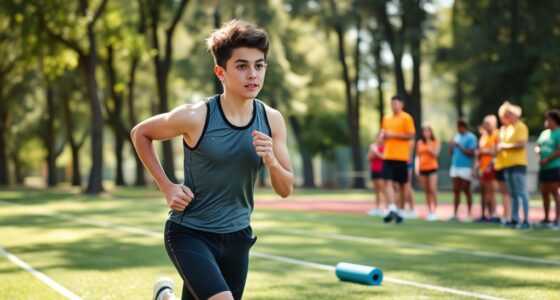
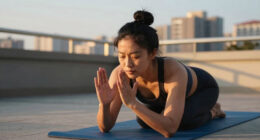
To train like a gymnast, you’ll combine strength exercises with flexibility routines and proper nutrition. Focus on daily stretching to improve your range of motion and incorporate strength-building moves like bodyweight exercises, core work, and balance drills. Fuel your body with lean proteins, complex carbs, and stay hydrated to support recovery and performance. Consistency and discipline are key—if you keep at it, you’ll discover how to maximize your strength and flexibility, pushing your limits like a true gymnast.
Key Takeaways
- Incorporate dynamic and static flexibility routines to enhance mobility and prevent injuries.
- Focus on strength exercises like bodyweight moves, handstands, and core work to build gymnastic power.
- Maintain a balanced diet with lean proteins, complex carbs, and proper hydration to support muscle growth and recovery.
- Consistently combine flexibility, strength, and nutrition strategies for sustainable progress.
- Practice patience and perseverance, embracing disciplined training to unlock your full gymnastic potential.
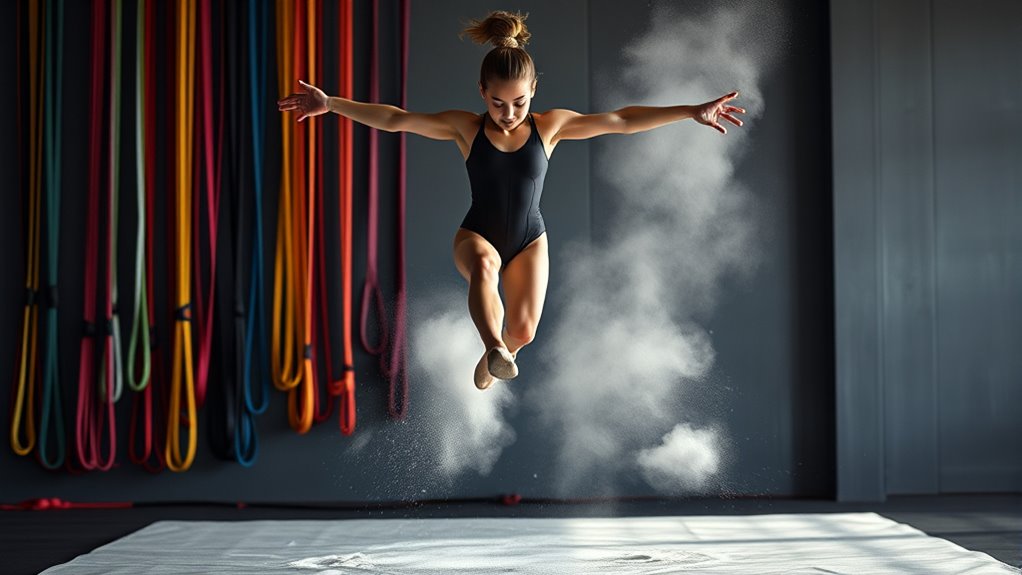
Have you ever wondered how gymnasts achieve their incredible strength and control? It’s not just about lifting weights or doing endless reps; it’s a combination of targeted training, disciplined nutrition, and dedicated flexibility routines. To build the strength and agility that gymnasts display, you need to adopt a thorough approach that includes focusing on flexibility routines and nutrition strategies. These two aspects are essential for maximizing your performance and preventing injury.
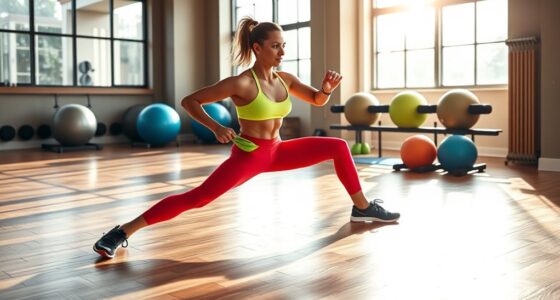
Flexibility routines are the foundation of effective gymnastics training. They enable you to perform complex movements with ease and reduce the risk of strains. Incorporate daily stretching that targets your hips, shoulders, back, and legs. Dynamic stretches before workouts warm up your muscles and improve mobility, while static stretches afterward help with recovery and maintaining flexibility. Think of flexibility routines as the secret sauce that unblocks your full potential, allowing you to execute skills with grace and precision. By consistently dedicating time to stretching, you’ll notice increased range of motion, better balance, and a more fluid execution of routines. Additionally, understanding the importance of preventing injuries can help you stay consistent and avoid setbacks that hinder progress.
Flexibility routines unlock your full potential with increased range of motion and graceful, precise skills.
Nutrition strategies also play a vital role in building the strength needed for gymnastics. Your body needs fuel and recovery support to perform at its best. Focus on a balanced diet rich in lean proteins, complex carbohydrates, healthy fats, and plenty of water. Protein helps repair and build muscle tissue after intense workouts, while carbs provide the energy to power through routines. Hydration is often overlooked, but staying well-hydrated ensures your muscles function at their best and reduces fatigue. Additionally, consider timing your meals around training sessions—eating a carbohydrate-rich snack before exercise can boost your energy levels, while protein intake afterward aids muscle repair. Proper nutrition not only enhances your strength but also accelerates recovery, allowing you to train more effectively and consistently.
Combining these elements—dedicated flexibility routines and strategic nutrition—sets the stage for progressive strength gains. It’s about creating a sustainable, disciplined routine that supports your goals. Remember, gymnasts don’t achieve their feats overnight; it’s the result of consistent effort, smart training, and proper fueling. By integrating flexibility routines into your daily schedule and following nutrition strategies tailored to your activity level, you’ll improve your strength, agility, and control. Keep in mind that patience and perseverance are key, and over time, you’ll notice your body responding with increased resilience and capability. With dedication, you can train like a gymnast, opening new levels of strength and mastery in your routines.
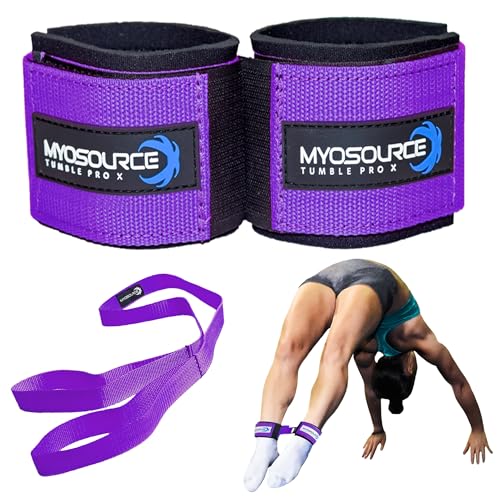
Myosource Kinetic Bands Tumble Pro X Ankle Straps Kit – Cheerleading Standing Tumbling Equipment, Gymnastics Backhandspring Trainer – Includes Flexibility Stunt Stretch Strap – Purple
THE ULTIMATE DEFROGGER: No more frog legs during standing tumbling! Our cheer and gymnastic tumbling aid keeps legs,…
As an affiliate, we earn on qualifying purchases.
As an affiliate, we earn on qualifying purchases.
Frequently Asked Questions
How Often Should I Incorporate Strength Training Into My Gymnastics Routine?
You should incorporate strength training into your gymnastics routine about 2-3 times a week. This training frequency allows your muscles to recover and grow while maintaining progress. Ideal scheduling involves spacing out sessions to prevent overtraining and ensuring you focus on different muscle groups each day. Consistency is key, so stick to your plan and listen to your body to avoid injury and maximize your strength gains.
Are There Age-Specific Strength Training Exercises for Young Gymnasts?
You bet there are age-specific strength exercises for young gymnasts—because youth safety always comes first. You shouldn’t toss them into adult routines; instead, focus on age-appropriate exercises that build strength securely. These include bodyweight movements like modified push-ups or balance drills that develop core stability. By tailoring workouts to their age, you ensure they grow stronger without risking injury, making training both effective and safe.
Can Strength Training Prevent Common Gymnastics Injuries?
Strength training can definitely help prevent common gymnastics injuries by addressing muscle imbalances and improving overall stability. When you focus on proper exercises, you strengthen vulnerable areas, reduce overuse risks, and enhance your body’s resilience. Consistent, targeted strength training not only boosts performance but also minimizes injury chances, ensuring you stay healthy and able to perform your best. Remember to train safely and consult a coach or trainer for personalized guidance.
What Equipment Is Essential for Effective Gymnastics Strength Training?
You need essential training gear like resistance bands, dumbbells, and a stability ball to build strength effectively. Safety equipment, such as mats and proper footwear, protects you during high-impact moves. These tools help you target key muscle groups and reduce injury risk. Invest in quality gear to guarantee a safe, efficient workout that mimics gymnastics training, helping you improve strength and stability for better performance.
How Do I Balance Flexibility and Strength Training for Optimal Performance?
Imagine you’re training for a routine, and balancing flexibility and strength is key. You should prioritize flexibility progression early in your training, gradually adding strength exercises to maintain the strength flexibility balance. For example, dedicate specific sessions to stretching, then incorporate strength moves that enhance flexibility, ensuring neither aspect dominates. Consistently adjusting your focus helps optimize performance without risking injury or imbalance.

Twister Arm Trainer, 3 in 1 Hydraulic Power Chest Workout Equipment with Ab Roller Wheels and Hooks, Adjustable 22-440lbs Arm Trainer for Men Women, Home Gym Equipment for Full Body Strength Training
[Adjustable Hydraulic Resistance from 22 to 440LBS]: This twister arm trainer features an upgraded hydraulic cylinder that allows…
As an affiliate, we earn on qualifying purchases.
As an affiliate, we earn on qualifying purchases.
Conclusion
Now that you know the secrets to gymnastics strength training, are you ready to push your limits and access your full potential? Remember, consistency and dedication are key—every workout gets you closer to your goals. So, why not embrace the challenge and train like a gymnast? With time and effort, you’ll build incredible strength and confidence. Are you prepared to start your journey and see what your body can truly achieve? Let’s go!

Teyva Daily Gymnastics Training Open Shoulder Trainer, Gymnastics Shoulder Trainer for Strength & Stability for Gymnasts, Handstand & Upper Body Conditioning Equipment (Pink)
26 inch Professional Length for Superior Leverage: tired of 16 inch "mini" trainers that don't provide enough stretch?…
As an affiliate, we earn on qualifying purchases.
As an affiliate, we earn on qualifying purchases.

A AZURELIFE Exercise Core Sliders, Dual Sided Exercise Gliding Discs Use on Carpet or Hardwood Floors, Light and Portable, Perfect for Abdominal&Core Workouts
Dual-sided Design: The Smooth (Plastic) Side for Most Carpets or Other Blanket(not all surfaces), and The Foam Material…
As an affiliate, we earn on qualifying purchases.
As an affiliate, we earn on qualifying purchases.