To break through fitness plateaus, tweak your nutrition by increasing protein and tracking intake, and don’t hesitate to adjust calories for fat loss or muscle gain. Mix up your workouts with new exercises or higher intensity, and prioritize recovery through proper rest and techniques like floating. Cultivate patience and a growth mindset, celebrating small wins. Keep these strategies in mind, and you’ll discover more ways to push past stagnation effectively.
Key Takeaways
- Vary workout routines and increase intensity to challenge muscles differently and stimulate growth.
- Adjust your nutrition, such as increasing protein or modifying calorie intake, to support progress.
- Incorporate deload weeks or rest periods to allow recovery and prevent overtraining.
- Track food and workout data to identify hidden issues and tailor your plan accordingly.
- Maintain a positive mindset, embracing setbacks as opportunities to reassess and adapt strategies.

Hitting a fitness plateau can be frustrating, but it’s a common hurdle that many exercisers face. When your progress stalls, it’s easy to feel discouraged or question whether you’re doing enough. However, breaking through these plateaus often comes down to making strategic adjustments, especially in your nutrition strategies and mindset shifts. By focusing on these areas, you can reignite your progress and push beyond what seems like an impasse.
First, look at your nutrition strategies. Even if you’re consistent with your workouts, your diet might be holding you back. Small tweaks can make a big difference. For example, adjusting your macronutrient ratios—like increasing protein intake—can support muscle repair and growth, helping you break through strength plateaus. Tracking your food intake can reveal hidden excesses or deficiencies. Sometimes, you might need to reduce calorie intake slightly to lose fat, or increase calories if you’re trying to build muscle but aren’t seeing gains. Hydration also plays an essential role; staying well-hydrated improves performance and recovery. Incorporate nutrient-dense foods that fuel your workouts and aid recovery, and consider cycling your carbohydrate intake around workout days to boost energy levels and sustain progress. Additionally, considering natural approaches like free floating techniques can help reduce stress and improve overall well-being, positively impacting your fitness journey.
Alongside refining your nutrition, mindset shifts are equally important. A plateau isn’t a signal to give up but an opportunity to reassess and adapt. Embrace a growth mindset—view setbacks as part of the process rather than failures. Celebrate small wins, like increased strength or improved endurance, to stay motivated. Be patient with yourself; progress isn’t always linear. Sometimes, taking a mental break or shifting your focus to other aspects of wellness, such as flexibility or mobility, can re-energize your routine. Avoid negative self-talk that can undermine your confidence. Instead, cultivate a mindset of curiosity and resilience, recognizing that plateaus are temporary and part of the journey. Changing your perspective helps you stay committed and reduces the frustration that often accompanies stagnation.
In addition, consider varying your workouts to challenge different muscle groups and prevent boredom. Incorporating new exercises or increasing intensity can stimulate muscle adaptation. Equally, ensure you’re getting enough rest and sleep—these are fundamental for recovery and performance. Sometimes, a short deload week or a few days off can reset your body and mind.
Ultimately, breaking through a fitness plateau involves a combination of smart nutritional strategies and a resilient mindset. By making intentional adjustments, staying patient, and maintaining a positive outlook, you set yourself up for renewed progress and long-term success. Remember, every plateau is a stepping stone toward your next achievement.

Dymatize Super Mass Gainer Protein Powder, Gourmet Vanilla, 52g Protein, 1g Creatine, 1280 Calories, 10.7g BCAAs, 245g Carbs, Contains Whey Protein Powder, Isolate, and Casein (8 Servings)
52G PROTEIN: Every servings contains 52g of protein to support muscle growth, repair, and recovery. If your goal…
As an affiliate, we earn on qualifying purchases.
As an affiliate, we earn on qualifying purchases.
Frequently Asked Questions
How Long Should I Stay at a Plateau Before Changing My Routine?
You should stay at a plateau for about 2 to 4 weeks before changing your routine. During this time, adjust your training frequency and add workout variety to challenge your muscles differently. If you notice no progress after this period, it’s time to tweak your exercises or increase intensity. Listening to your body helps determine when to make these changes, ensuring continuous improvement without risking overtraining.
Can Mental Burnout Contribute to Fitness Plateaus?
Mental burnout definitely contributes to fitness plateaus. When you experience mental fatigue, your motivation dips, making it harder to push through challenging workouts. This can lead to decreased effort and progress stalls. To combat this, take regular mental breaks, vary your routine, and focus on activities that keep you motivated. Addressing mental burnout helps restore your energy and drive, making it easier to break through those frustrating plateaus.
Do Supplements Help Break Through a Plateau Effectively?
Supplements can help break through a plateau if they support your goals and promote hormonal balance. Effectively, supplement efficacy varies based on individual needs and proper usage. You should focus on proven options like protein, creatine, or BCAAs, but consult a healthcare professional to guarantee they align with your body’s requirements. Remember, supplements work best when combined with consistent training, nutrition, and recovery, rather than as sole solutions.
How Does Sleep Quality Affect Overcoming Fitness Stagnation?
You might think pushing harder is the answer, but ironically, poor sleep quality can sabotage your progress. When your sleep hygiene suffers, restful recovery becomes a distant dream, and your body struggles to repair and strengthen. Prioritize consistent sleep routines, limit screens before bed, and create a calming environment. Good sleep is your secret weapon for overcoming fitness stagnation, helping you break through plateaus and reach new heights faster.
Is It Better to Focus on Strength Training or Cardio During a Plateau?
It’s better to focus on strength training during a plateau, as it promotes muscle hypertrophy and helps break through stagnation. Incorporate endurance training to boost your overall fitness, but prioritize lifting weights to stimulate muscle growth. Switch up your routines, increase weights gradually, and make certain of proper recovery. This combined approach helps you get unstuck by challenging your muscles and improving your strength, ultimately leading to continued progress.

Pedometer Watch No APP/Phone Required, 1.85" Display Fitness Tracker Watch with Pedometer, Calories & Step Counter, Waterproof Smart Watches with Heart Rate Monitor, Sleep Tracking for Women Men
Fitness & Activity Tracker: The smart watch monitors your heart rate, stress levels, steps, calories and distance in…
As an affiliate, we earn on qualifying purchases.
As an affiliate, we earn on qualifying purchases.
Conclusion
Remember, hitting a plateau isn’t the end—it’s a sign to shake things up. Did you know that over 80% of people experience fitness plateaus at some point? By adjusting your workouts, increasing intensity, or trying new exercises, you’ll keep progressing. Stay patient, stay consistent, and don’t be afraid to push your limits. Break through that sticking point, and you’ll reach your goals faster than you think!
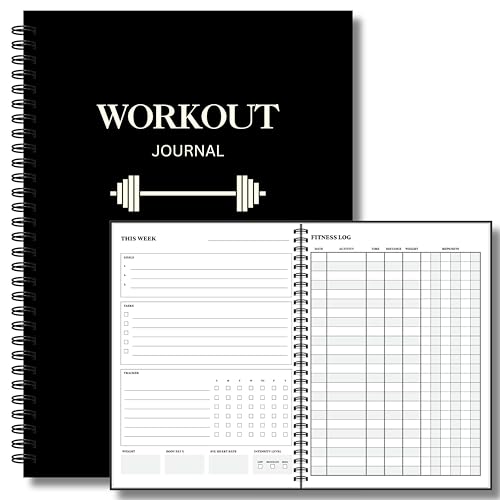
Workout Journal for Men – Fitness Journal & Workout Logbook, Gym Fitness Planner Journal with 52 Weeks of Tracking – Exercise Book for Weight Loss & Training – 8.2 x 6 inches – Spiral Hard-Cover – Black
Fitness Journal for Athletes: Stay organized and motivated with this workout journal designed to track workouts, goals, and…
As an affiliate, we earn on qualifying purchases.
As an affiliate, we earn on qualifying purchases.
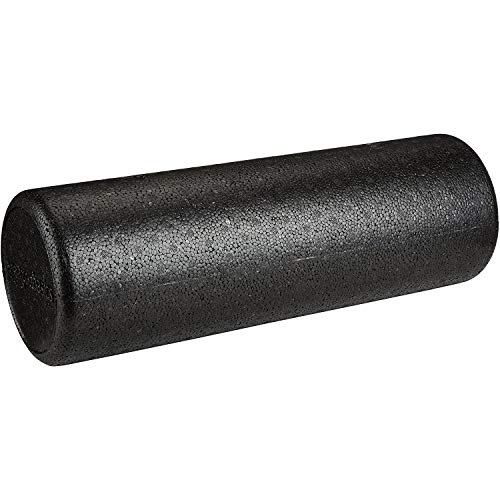
Amazon Basics High-Density Foam Roller for Exercise and Recovery, 18 Inches, Black
High-density foam roller in Black
As an affiliate, we earn on qualifying purchases.
As an affiliate, we earn on qualifying purchases.