Muscle soreness after workouts happens because tiny tears form in your muscle fibers during exercise, triggering inflammation that signals your body to repair and strengthen tissues. This process causes pain, swelling, and stiffness, which peak within 24-48 hours. Recovery involves active strategies like stretching, staying hydrated, and proper nutrition. If soreness persists or worsens, seek medical advice. To understand how to minimize soreness and boost recovery, continue exploring effective tips and strategies.

Get workout gear delivered free — and shop member deals
- Fast, free delivery on millions of items
- Access to Prime Big Deal Days deals on October 6–7
- Prime Video, Amazon Music and more included
Key Takeaways
- Muscle soreness results from microtears and inflammation caused by intense or new exercise, peaking 24-48 hours post-workout (DOMS).
- Microdamage signals your body to repair and strengthen muscles, leading to hypertrophy and increased resilience over time.
- Active recovery, stretching, cold packs, and proper hydration help reduce soreness and promote faster healing.
- Adequate nutrition, especially protein and carbs, supports muscle repair and minimizes post-exercise discomfort.
- Prevent soreness by warming up properly, gradually increasing workout intensity, and maintaining consistent training routines.
As an affiliate, we earn on qualifying purchases.
What Causes Muscle Soreness After Exercise

When you exercise intensely or try new activities, tiny tears form in your muscle fibers. This damage triggers muscle fatigue, making your muscles feel weak and tired. As you push harder, these microtears lead to delayed onset muscle soreness (DOMS), which peaks hours or even days later. Your body responds by increasing inflammation and repair processes, causing that familiar soreness. The soreness isn’t just from exhaustion; it’s from the microscopic damage your muscles sustain during activity. This process is a natural part of strengthening, but it’s also what makes you feel stiff and tender afterward. Understanding that microtears and muscle fatigue are behind your soreness can help you better manage recovery and prevent overtraining. Recognizing patterns of muscle response can also inform how you structure your workout routines. Additionally, the body’s repair mechanisms play a crucial role in adapting to exercise-induced stress, enhancing muscle resilience over time. Proper recovery techniques, like stretching and adequate nutrition, support these muscle recovery processes. Incorporating rest periods into your training can further optimize recovery and prevent injury.
As an affiliate, we earn on qualifying purchases.
The Role of Microtears in Muscle Fibers

When you work out intensely, tiny tears form in your muscle fibers, signaling your body to start repairs. This process triggers inflammation, which helps your muscles recover and adapt. Over time, these microtears lead to stronger muscles and increased performance.
Microtears Initiate Repair
Microtears in muscle fibers are a natural response to intense exercise, serving as the initial step in the repair process. These tiny injuries signal your body to start muscle adaptation, strengthening fibers over time. When microtears occur, your nervous system interprets the damage, often contributing to pain perception—what you feel as soreness. This pain isn’t just discomfort; it’s a sign that your muscles are working to repair and grow stronger. As your body responds, it increases blood flow and nutrients to the affected areas, promoting healing. Understanding that microtears trigger repair helps you see soreness as a positive sign of progress. By allowing proper rest and recovery, you support this natural process, leading to improved strength and reduced future soreness. Recognizing the role of muscle adaptation can help you optimize your recovery strategies and training routines. Additionally, incorporating adequate nutrition enhances the repair process, ensuring your muscles recover efficiently. Emphasizing proper rest is essential for allowing your muscles to fully recover and adapt effectively. Incorporating recovery techniques such as stretching or foam rolling can further facilitate muscle repair and reduce soreness, especially when combined with other recovery methods.
Inflammation Promotes Healing
Inflammation plays an essential role in the healing process after your muscles sustain microtears. When this happens, your body’s immune response kicks in, sending cells to the damaged sites. This immune activity helps clear away damaged tissue and initiates tissue regeneration. The inflammation causes swelling, redness, and soreness, but these signs indicate your body is actively working to repair itself. Additionally, this process involves necessary and functional cookies that facilitate communication between cells and support healing signals. As immune cells arrive, they release signals that stimulate the growth of new muscle fibers and repair damaged tissue. This process not only promotes healing but also helps strengthen your muscles over time. Recognizing the importance of quality craftsmanship in your training and recovery routines can help you better appreciate how your body heals and adapts. Moreover, understanding the inflammatory response can empower you to optimize your recovery strategies effectively. Proper nutrition and rest further support this complex biological process, ensuring your muscles recover efficiently.
Strength Gains Result
The small injuries your muscles sustain during exercise set the stage for strength gains. These microtears trigger muscle hypertrophy, where your fibers repair stronger and thicker, boosting your overall strength. As you continue training, these micro-injuries promote adaptations that lead to increased muscle mass and power. However, without proper variation and progression, you might hit a strength plateau, where gains stall. Recognizing that microtears drive your progress helps you understand why consistent overload is crucial. By allowing your muscles time to recover and adapt, you support ideal hypertrophy. This process ensures your strength continues to improve over time, turning soreness into a sign of progress rather than stagnation. Ultimately, microtears are a fundamental part of building stronger, more resilient muscles.
protein powder for muscle repair
As an affiliate, we earn on qualifying purchases.
As an affiliate, we earn on qualifying purchases.
Inflammatory Response and Pain

When you finish a tough workout, your body responds by activating an inflammatory process that signals repair. This immune response helps clear out damaged tissue and starts healing. As part of this, swelling mechanisms increase blood flow and bring immune cells to the affected area. You might notice soreness and tenderness as a result. An engaging narrative with expert voice actors can also help explain these physiological processes clearly to your audience. The immune system releases chemicals that trigger pain signals. Swelling helps contain damage and prevent further injury. Increased blood flow delivers nutrients for repair. White blood cells remove damaged cells and debris. Understanding inflammation helps you better manage soreness and avoid unnecessary concern. Recognizing the role of inflammatory response can also help you differentiate between normal soreness and signs of injury. This natural response is essential for recovery, but it also causes pain that can feel uncomfortable. Additionally, ongoing research highlights the importance of continuous monitoring of AI behavior to ensure safety and trustworthiness. This natural response is crucial for healing but can be quite uncomfortable, especially if inflammation persists longer than expected.
stretching bands for post-workout
As an affiliate, we earn on qualifying purchases.
As an affiliate, we earn on qualifying purchases.
Differentiating Between Soreness and Injury

Understanding the difference between soreness and injury is key to proper recovery. Soreness usually feels dull, widespread, and peaks 24-72 hours after exercise, indicating muscle adaptation. An injury, like a muscle strain, presents as sharp, localized pain, often accompanied by swelling or weakness, and doesn’t improve with rest. Recognizing this soreness distinction helps prevent worsening an injury. Being aware of payment security measures can also help you choose appropriate recovery products or tools. Additionally, understanding AI in Education advancements can inform safer and more effective recovery strategies, especially with the increasing integration of technology in health monitoring. Monitoring performance cookies can also provide insights into effective recovery methods tailored to individual needs.
The Timeline of Muscle Recovery

Muscle recovery unfolds over a predictable timeline that varies depending on the intensity of your workout and your individual fitness level. After pushing through muscle fatigue, your body begins repairing muscle fibers and restoring energy stores. During the first few hours, you might notice soreness and stiffness. By days 2 to 3, inflammation decreases, and your muscles start adapting to the stress. Around days 4 to 7, you may experience significant recovery, with signs of exercise adaptation improving strength and endurance. Consistent training helps your muscles recover faster over time. Key points include:
Muscle recovery progresses through stages, from soreness in hours to strength gains over a week with consistent training.
- Immediate post-workout: muscle fatigue peaks
- 24-48 hours: soreness and inflammation
- 3-4 days: active repair and adaptation
- 1 week: renewed strength and endurance
- Long-term: improved exercise resilience
- Incorporating community engagement and mindfulness practices can further enhance your recovery process.
Effective Strategies for Reducing Soreness
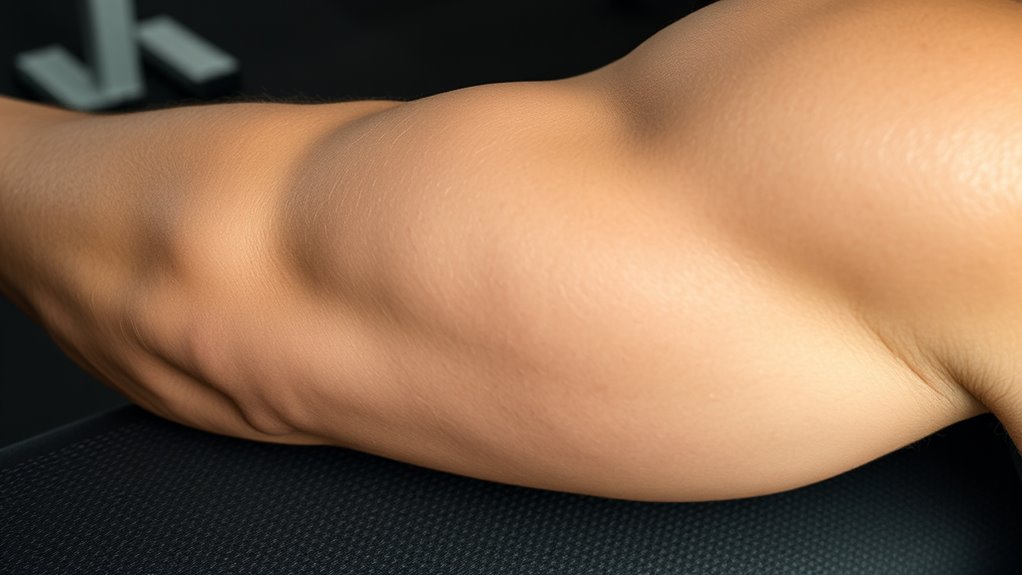
After your muscles have gone through the initial repair process and inflammation starts to subside, you can take targeted steps to minimize soreness and speed recovery. One effective strategy is to manage muscle fatigue by incorporating active recovery, such as light walking or gentle stretching, which boosts blood flow and helps clear out metabolic waste. Maintaining workout consistency is also vital; gradually increasing intensity prevents excessive muscle strain and reduces soreness over time. Avoid overtraining, as pushing too hard too quickly can prolong soreness and hinder progress. Additionally, applying cold packs or using foam rollers can help release tension and improve circulation. By listening to your body and balancing activity with rest, you’ll promote faster recovery and lessen muscle soreness after workouts.
The Importance of Proper Nutrition and Hydration

Proper nutrition and hydration are essential for ideal muscle recovery and reducing soreness after workouts. Staying well-hydrated supports hydration effects that help flush out toxins and deliver nutrients efficiently. Timing your nutrient intake, especially protein and carbs, optimizes recovery by enhancing muscle repair. Drinking water before, during, and after exercise maintains fluid balance and prevents dehydration, which can worsen soreness. Consuming balanced meals with essential electrolytes replenishes lost minerals and boosts energy levels. Paying attention to nutrient timing ensures your muscles get what they need when they need it most, speeding up recovery and minimizing discomfort. Prioritize hydration and proper eating habits to feel better faster and support your fitness goals effectively.
When to Seek Medical Advice

While muscle soreness is common after workouts, it’s important to recognize when it signals a more serious issue. If you experience severe or persistent pain, especially in elderly muscles, it could indicate an underlying problem that needs medical attention. Chronic pain that worsens over time or doesn’t improve with rest and recovery should never be overlooked. Additionally, if soreness is accompanied by swelling, numbness, or weakness, seek medical advice promptly. These symptoms could point to muscle tears, nerve issues, or other conditions requiring professional diagnosis and treatment. Don’t dismiss ongoing discomfort, especially if it interferes with daily activities or worsens. Timely medical consultation ensures proper care and prevents long-term complications.
Tips for Preventing Future Muscle Soreness

To prevent future muscle soreness, start with a proper warm-up to prepare your muscles. Increase workout intensity gradually to avoid overloading your body too quickly. After exercising, stretch your muscles to improve flexibility and reduce tightness.
Proper Warm-Up Routine
Warming up before your workout is essential for preventing muscle soreness and reducing injury risk. A proper warm-up prepares your muscles and increases blood flow, making your workout safer and more effective. Start with light cardio to get your heart pumping, then incorporate dynamic stretching to loosen muscles and improve flexibility. Foam rolling before exercising helps release muscle tension and enhances mobility. Focus on areas you’ll target during your workout to maximize benefits. Remember, a thorough warm-up doesn’t need to be long—just enough to activate your muscles and prevent strain. Incorporating these steps consistently can help you avoid unnecessary soreness later. Stay mindful of your body’s signals and avoid rushing through your warm-up to ensure your muscles are ready for the work ahead.
Gradual Intensity Increase
Gradually increasing the intensity of your workouts helps your muscles adapt and reduces the risk of soreness and injury. This approach, known as progressive overload, encourages your body to handle higher demands over time without overtaxing your muscles. By steadily increasing weights, repetitions, or workout duration, you promote gradual adaptation, allowing your muscles to rebuild stronger and more resilient. Ramping up intensity too quickly overwhelms your muscles, leading to excessive soreness and potential injury. Consistently applying this gradual approach ensures your body adjusts safely, minimizing discomfort and promoting consistent progress. Remember, patience is key—pushing too hard too soon hampers recovery and increases soreness. Stick to a steady progression, and your muscles will adapt efficiently, reducing soreness and supporting long-term fitness gains.
Post-Workout Stretching
Post-workout stretching is a simple yet effective way to reduce muscle soreness and enhance recovery. Incorporate dynamic stretching during your cool-down exercises to gradually loosen muscles and improve flexibility. It helps prevent tightness and stiffness that often follow intense activity. To maximize benefits, focus on key areas like hamstrings, quads, and shoulders.
Here are some tips for preventing future soreness:
- Perform light cardio before stretching to warm up muscles
- Include dynamic stretching as part of your cool-down routine
- Hold stretches gently, avoiding bouncing or forcing
- Focus on major muscle groups used during your workout
- Stay consistent with your cool down to build flexibility over time
These practices support muscle recovery and reduce the likelihood of soreness after exercise.
Frequently Asked Questions
Can Muscle Soreness Indicate a Workout Was Too Intense?
Yes, muscle soreness can be an indicator that your exercise intensity was high. When you push yourself too hard, it often leads to delayed onset muscle soreness (DOMS), signaling that your muscles experienced significant stress. Soreness indicators help you gauge whether you need to adjust your workout intensity. If soreness persists or worsens, consider easing up to prevent injury and allow proper recovery.
Does Muscle Soreness Always Mean Muscle Growth?
Muscle soreness doesn’t always mean muscle growth. Many soreness myths suggest that pain equals progress, but DOMS myths can be misleading. You might feel sore from a tough workout without gaining muscle, or experience little soreness yet see progress. Soreness is often caused by inflammation or microtears, not necessarily muscle development. Focus on consistent training, proper recovery, and nutrition rather than relying solely on soreness as a growth indicator.
Are There Specific Exercises That Cause Less Soreness?
Yes, you can do low impact exercises like swimming, cycling, or yoga to cause less soreness. These activities put less strain on your muscles, making soreness prevention easier. To minimize post-workout aches, start slowly, increase intensity gradually, and stretch well afterward. Incorporating low impact exercises into your routine helps you stay active without overloading your muscles, reducing soreness and supporting consistent workouts.
How Does Age Affect Muscle Recovery and Soreness?
Think of your muscles as a vintage engine; as you age, the engine’s parts wear down, and recovery becomes a slower process. Age-related decline extends your recovery time and makes soreness linger longer. You might notice that after workouts, your muscles take more time to bounce back, and soreness feels more intense. To combat this, prioritize gentle recovery strategies and listen to your body’s signals as you age gracefully.
Can Certain Supplements Speed up Muscle Recovery?
Yes, certain supplements can help speed up muscle recovery, but focus on safe options like protein timing. Consuming protein shortly after workouts supplies essential amino acids, aiding repair. Always check supplement safety, choosing reputable brands and consulting your healthcare provider. While supplements may assist, don’t forget proper rest, hydration, and nutrition—they’re key to faster recovery and reducing soreness after workouts.
Conclusion
Remember, muscle soreness is a sign your body’s growing stronger, not failing. Embrace the discomfort as a necessary chapter in your fitness journey, much like storms forge stronger trees. By understanding its causes and recovery tips, you’ll turn pain into progress. With patience and care, each ache becomes a stepping stone toward your goals. So, keep pushing forward—you’re sculpting resilience with every ache, shaping a stronger, healthier you.
Fall Picks
fall essentials
As an affiliate, we earn on qualifying purchases.