

When you push your muscles hard during workouts, tiny tears happen in your fibers, signaling your body to start repair and growth. This damage triggers the release of growth factors and recruits repair cells, which rebuild and strengthen your muscles. As you recover, protein synthesis increases, making your muscles bigger and stronger. Managing your workload, nutrition, and rest helps optimize this process. Keep going, and you’ll discover how to maximize your gains through effective recovery techniques.

Get workout gear delivered free — and shop member deals
- Fast, free delivery on millions of items
- Access to Prime Big Deal Days deals on October 6–7
- Prime Video, Amazon Music and more included
Key Takeaways
- Muscle damage triggers signaling pathways that initiate repair and stimulate muscle growth.
- The repair process involves increased protein synthesis, rebuilding and strengthening muscle fibers.
- Adequate rest and nutrition support recovery, allowing damaged muscles to adapt and hypertrophy.
- Managing training intensity prevents excessive damage, optimizing recovery and long-term muscle development.
- Muscle damage signals the need for adaptation, making recovery essential for strength and size gains.
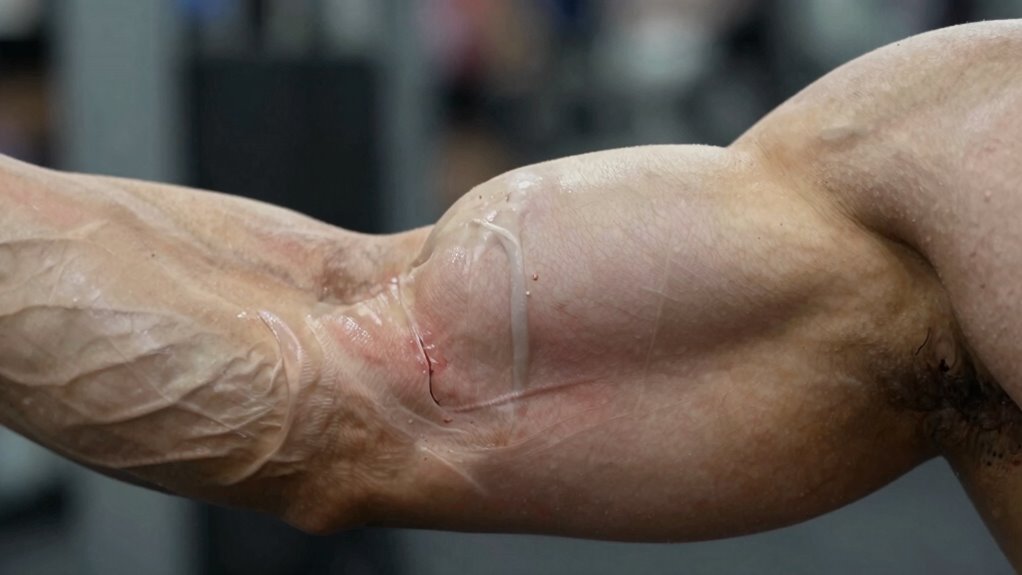
Have you ever wondered what happens to your muscles after a tough workout? When you push your body, tiny tears occur in your muscle fibers, a process known as muscle damage. This damage might sound negative, but it’s actually an essential part of muscle growth and recovery. Your body responds to this damage through muscle signaling, a complex communication process that triggers the repair and strengthening of muscles. When your muscles sense damage, they send signals to activate various cellular responses, including the release of growth factors and the recruitment of repair cells. This communication guarantees that your muscles don’t just recover to their previous state but become stronger and more resilient.
Muscle damage from workouts triggers signals that promote repair, growth, and increased strength and resilience.
As your muscles respond to damage, your body ramps up protein synthesis, the process of building new proteins to repair and rebuild muscle fibers. This process involves translating amino acids into new muscle proteins, which helps restore the structural integrity of damaged fibers. During recovery, your body synthesizes more muscle proteins than it breaks down, leading to muscle hypertrophy—the increase in muscle size. Protein synthesis is indispensable because it replaces the damaged proteins and adds new ones, making your muscles more robust over time. The rate of protein synthesis can be influenced by factors like nutrition, rest, and the intensity of your workouts. Additionally, understanding the role of muscle damage in recovery can help you optimize your training strategies for better results. Recognizing the muscle signaling process can further enhance your approach to recovery and growth. Incorporating proper nutrition, especially adequate protein intake, supports this rebuilding process. When you consume protein-rich foods or supplements, you supply your body with the amino acids necessary to maximize protein synthesis. Rest is equally important; during sleep and rest periods, your body continues to repair and strengthen muscles, capitalizing on the signals sent during exercise. Proper recovery techniques, such as stretching and hydration, can further facilitate this process and reduce the risk of injury. Overtraining, however, can hinder recovery by overwhelming your muscles with damage and limiting their ability to repair effectively. That’s why listening to your body and allowing sufficient recovery time is essential for muscle growth.
Ultimately, muscle damage isn’t the enemy—it’s an essential trigger for adaptation. The damage signals your body to initiate repair, and protein synthesis ensures your muscles grow stronger and bigger. By managing your training intensity, nutrition, and rest, you optimize this process. Embrace muscle damage as a sign that your body is working hard and that recovery, when managed correctly, brings you closer to your strength and physique goals. Recognizing the importance of muscle repair mechanisms can help you develop a more effective training routine that supports long-term progress.
high protein muscle recovery supplements
As an affiliate, we earn on qualifying purchases.
As an affiliate, we earn on qualifying purchases.
Frequently Asked Questions
How Long Does Muscle Damage Typically Last After Intense Exercise?
After intense exercise, muscle damage and delayed onset soreness usually last from 24 to 72 hours. During this time, cellular repair processes kick in to heal microtears, which causes soreness and stiffness. You might notice soreness peaking around 24 to 48 hours and gradually subsiding. Rest, proper nutrition, and gentle activity can help speed up recovery, but the duration varies based on exercise intensity and your fitness level.
Can Muscle Damage Lead to Long-Term Strength Loss?
They say, “What doesn’t kill you makes you stronger,” but muscle damage can sometimes cause long-term strength loss if not managed properly. Muscle soreness signals damage, and recovery strategies are essential to prevent setbacks. If you ignore proper rest and nutrition, you risk weakening your muscles over time. By giving your body time to heal and using effective recovery methods, you’ll rebuild strength and avoid lasting damage.
What Are the Best Ways to Reduce Muscle Damage?
To reduce muscle damage, you should incorporate effective recovery strategies like gentle stretching, foam rolling, and adequate rest. Managing muscle soreness involves applying ice or heat and staying hydrated. Gradually increasing workout intensity helps prevent excessive damage, while proper nutrition supports repair. Listen to your body, avoid overtraining, and prioritize recovery to minimize muscle soreness and damage, ensuring better long-term progress and reduced risk of injury.
Does Age Affect Muscle Damage and Recovery Rates?
Did you know that recovery rates drop by about 20% after age 40? Age-related decline definitely affects muscle damage and recovery, making you more prone to soreness and longer healing times. To optimize recovery, you should focus on proper nutrition, adequate rest, and tailored training. As you age, adjusting your workout intensity and recovery strategies becomes essential to maintain muscle health and prevent injury.
Are Certain Types of Exercise More Damaging Than Others?
Certain types of exercise are more damaging than others, especially those with high exercise intensity like heavy weightlifting or intense cardio. These workouts cause more muscle damage, requiring longer recovery. To minimize damage and promote growth, you should focus on proper recovery nutrition, including protein and carbs. Incorporating rest days and moderate-intensity exercises can help reduce excessive muscle damage, ensuring you recover effectively and stay injury-free.
As an affiliate, we earn on qualifying purchases.
Conclusion
Understanding muscle damage is like tending a delicate garden; it may look battered, but it’s the secret to growth. Embrace the recovery process, knowing each repair builds a stronger, more resilient you. Your muscles are like a symphony in progress—each note of damage sets the stage for a triumphant comeback. So, trust in the process, nurture your recovery, and let your body flourish into the powerhouse it’s meant to be.
post-workout recovery stretching tools
As an affiliate, we earn on qualifying purchases.
As an affiliate, we earn on qualifying purchases.
As an affiliate, we earn on qualifying purchases.
Fall Picks
fall essentials
As an affiliate, we earn on qualifying purchases.