To train for power simply, focus on explosive movements like kettlebell swings, box jumps, and Olympic lifts, combined with heavy, low-rep lifts such as squats and deadlifts. Keep workouts straightforward, alternating between strength and explosive exercises, with proper form and controlled technique. Use gradual overload and listen to your body to prevent overtraining. Staying consistent and switching between phases helps prevent burnout. Stick with this approach, and you’ll discover even more ways to optimize your power training.

Get workout gear delivered free with Prime
- Fast, free delivery on millions of items
- Prime Video, Amazon Music and more included
- Member-only deals all year
Key Takeaways
- Focus on a few fundamental explosive exercises like kettlebell swings, box jumps, and Olympic lifts.
- Keep workouts simple with heavy, low-rep lifts and dedicated explosive movement sessions.
- Use proper technique and controlled execution to maximize power development efficiently.
- Incorporate progressive overload gradually while maintaining explosive movement quality.
- Prioritize recovery, deload weeks, and listening to your body to prevent overtraining and injury.
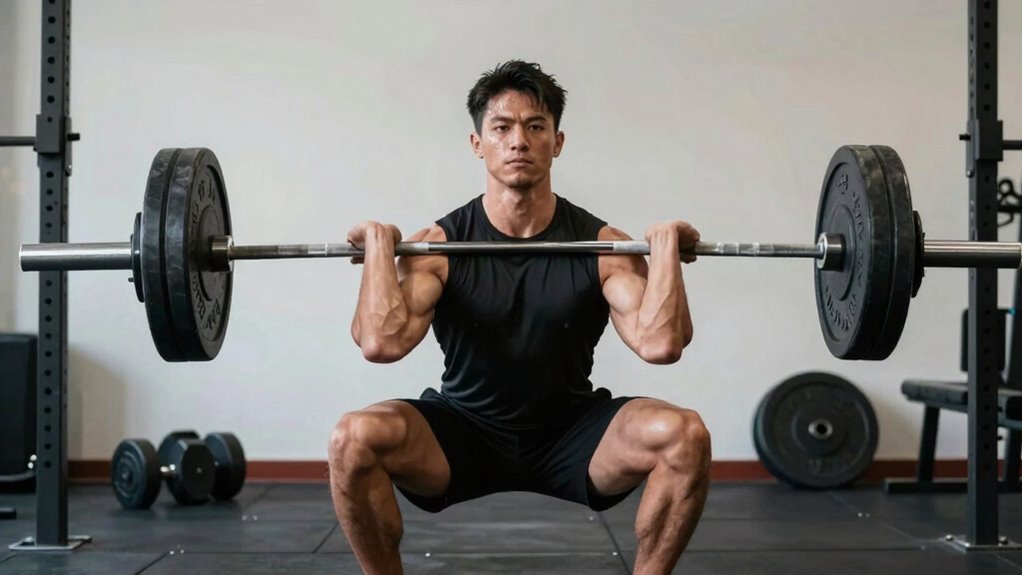
Building raw power requires more than just lifting heavy weights; it demands a strategic approach focused on maximizing strength gains. One of the most effective methods is periodization planning, which involves cycling through different training phases to prevent plateaus and promote continual progress. Instead of sticking to the same routine endlessly, you structure your training into blocks—such as hypertrophy, strength, and power phases—each with specific goals and rep ranges. This systematic variation ensures your muscles stay engaged and adapt over time, leading to better power development without overtraining.
Cycle through training phases to optimize power, prevent plateaus, and promote continuous muscle adaptation.
Incorporating periodization planning also helps you avoid the common pitfall of stagnation, which can occur when you always lift heavy without variation. By alternating between heavier loads with lower reps and lighter, explosive movements, you optimize muscle activation across different neural pathways. Muscle activation becomes essential here because it determines how effectively your nervous system recruits muscle fibers during lifts. When you focus on explosive exercises like plyometrics, Olympic lifts, or jump training, you’re training your nervous system to activate more muscle fibers quickly and efficiently—key components of power.
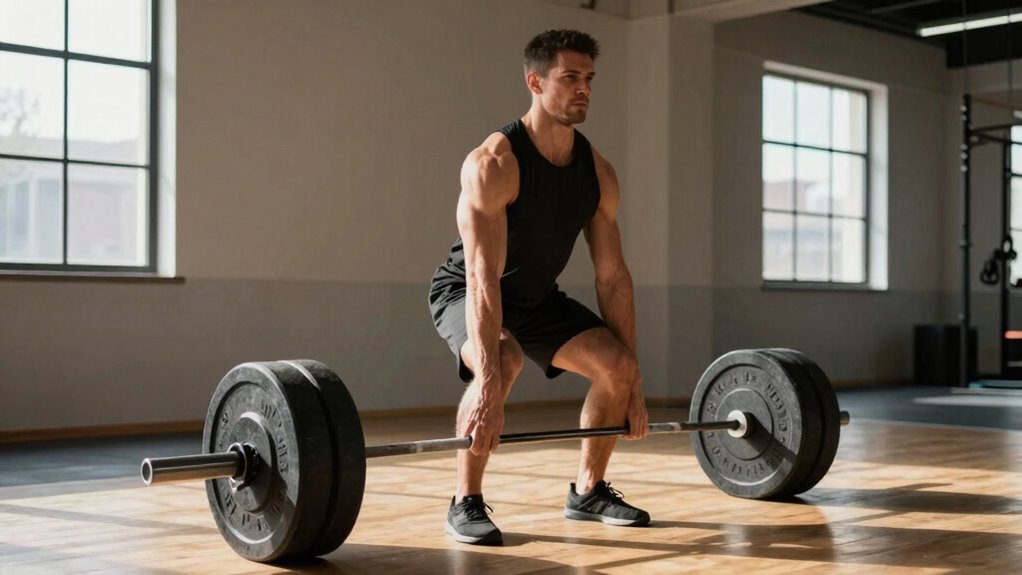
You don’t need to overcomplicate your training to see results. Keep your workouts simple but intentional. For example, dedicate some sessions to heavy, low-rep lifts such as squats and deadlifts to build maximal strength. Alternate those with explosive movements like kettlebell swings or box jumps to enhance muscle activation and power output. Rest periods are just as important; longer rests during heavy lifting allow your nervous system to recover, while shorter rests during explosive work keep your muscles primed and ready to fire.
Progressive overload remains a foundation of training for power. Gradually increase the weight or intensity of your exercises while maintaining proper form. Focus on proper technique and controlled execution to make sure your muscles and nervous system work together effectively. Remember, power isn’t just about lifting the heaviest weight; it’s about moving that weight explosively and efficiently. Training with this mindset, combined with periodization planning and targeted muscle activation exercises, makes your power development process straightforward and sustainable.
Finally, listen to your body. Incorporate deload weeks when needed and avoid pushing through pain or fatigue. Power training is about quality, not quantity. When you plan your training carefully, focus on muscle activation, and vary your intensity, you’ll develop raw power without overcomplicating the process. Keep things consistent, stay disciplined, and you’ll see strength and power improvements that stick. Additionally, understanding how muscle activation influences neural recruitment can help you tailor your training for maximum efficacy. Moreover, understanding training variability can further optimize your progress by preventing adaptation plateaus.
As an affiliate, we earn on qualifying purchases.
Frequently Asked Questions
How Often Should I Train Specifically for Power?
You should train specifically for power 2 to 3 times a week, depending on your experience level and recovery ability. Stick to training frequency that allows proper rest and avoids overtraining. Incorporate power workout tips like explosive movements and heavy lifts. Focus on quality over quantity, and make sure you include rest days to maximize gains and prevent injury. Consistency is key to building power effectively without overcomplicating your routine.
What Are the Best Recovery Strategies After Power Training?
Imagine your muscles as a finely tuned engine—recovery is the fuel that keeps it running smoothly. You should prioritize nutrition optimization and sleep quality after power training. Focus on consuming protein-rich foods, staying hydrated, and getting enough restful sleep. Gentle stretching or light activity can also help reduce soreness. These strategies help your body repair and grow stronger, ensuring you’re ready for the next explosive session.
Can Power Training Improve Athletic Performance in Other Sports?
Power training can definitely boost your performance in other sports by enhancing your explosive strength and speed. It offers cross-training benefits, helping improve overall athleticism and reducing injury risk. Plus, pushing through power workouts builds mental toughness, making you more resilient during competition. Incorporate quick, intense exercises into your routine to see these gains translate across various sports, giving you a competitive edge without overcomplicating your training plan.
Is It Necessary to Track My Progress During Power Training?
Think of progress tracking as your personal GPS, guiding your journey through power training. You don’t have to obsess over every small bump; instead, use it for goal setting and to stay on course. Monitoring your progress helps you spot when to push harder or ease up, ensuring your efforts aren’t wasted. So, yes, tracking keeps you focused, motivated, and aligned with your ultimate goal of building strength efficiently.
How Do I Prevent Injuries When Training for Power?
To prevent injuries when training for power, focus on injury prevention and proper form. Always warm up thoroughly to prepare your muscles and joints. Use correct technique for each exercise, and don’t push beyond your limits. Incorporate rest days to allow recovery, and listen to your body to avoid overtraining. Consider working with a coach to make sure your form stays correct, reducing the risk of strains or injuries.
As an affiliate, we earn on qualifying purchases.
Conclusion
Training for power is like tending a garden—you need patience, focus, and the right tools. Keep your workouts simple, listen to your body, and stay consistent. Overcomplicating your routine is like trying to water every plant at once; it spreads your energy too thin. Instead, nurture your strength gradually, and you’ll see your power bloom. Remember, steady growth often outshines rushed results, turning your effort into a mighty oak rooted deep in resilience.
As an affiliate, we earn on qualifying purchases.
heavy low-rep squat deadlift set
As an affiliate, we earn on qualifying purchases.
As an affiliate, we earn on qualifying purchases.
Halloween Picks
halloween
As an affiliate, we earn on qualifying purchases.