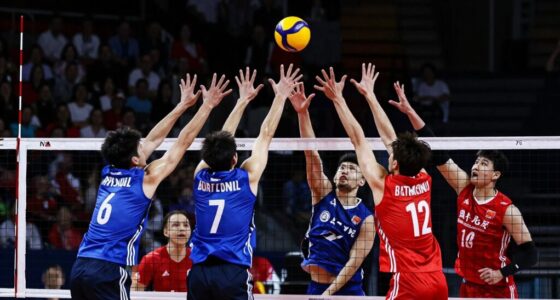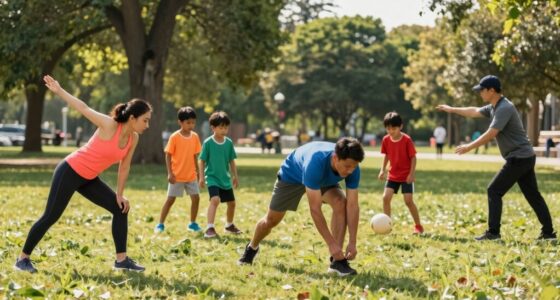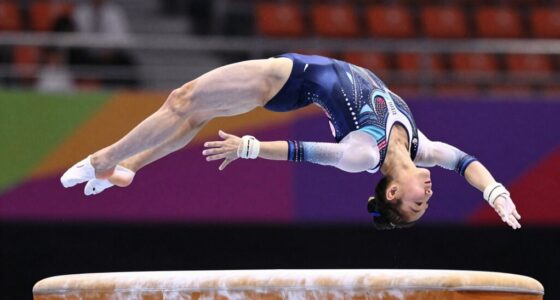
Good movement quality is essential in every sport because it helps you perform better, move more efficiently, and avoid injuries. When your movements are smooth, controlled, and coordinated, you generate power easily, sustain activity longer, and recover faster. Proper joint stability and stability exercises keep you safe, especially during quick changes in direction or intense actions. By focusing on movement quality, you build a resilient body capable of lasting in your sport—keep going to discover more ways to optimize your performance.

Get workout gear delivered free with Prime
- Fast, free delivery on millions of items
- Prime Video, Amazon Music and more included
- Member-only deals all year
Key Takeaways
- High movement quality enhances athletic performance through efficient, powerful, and controlled motions.
- Proper movement patterns reduce injury risk by promoting joint stability and correct biomechanics.
- Neuromuscular coordination ensures muscles work harmoniously, improving agility and rapid response in sports.
- Stable joints and targeted exercises support sustained activity and prevent common sport-related injuries.
- Prioritizing movement quality fosters long-term athletic development and injury prevention.

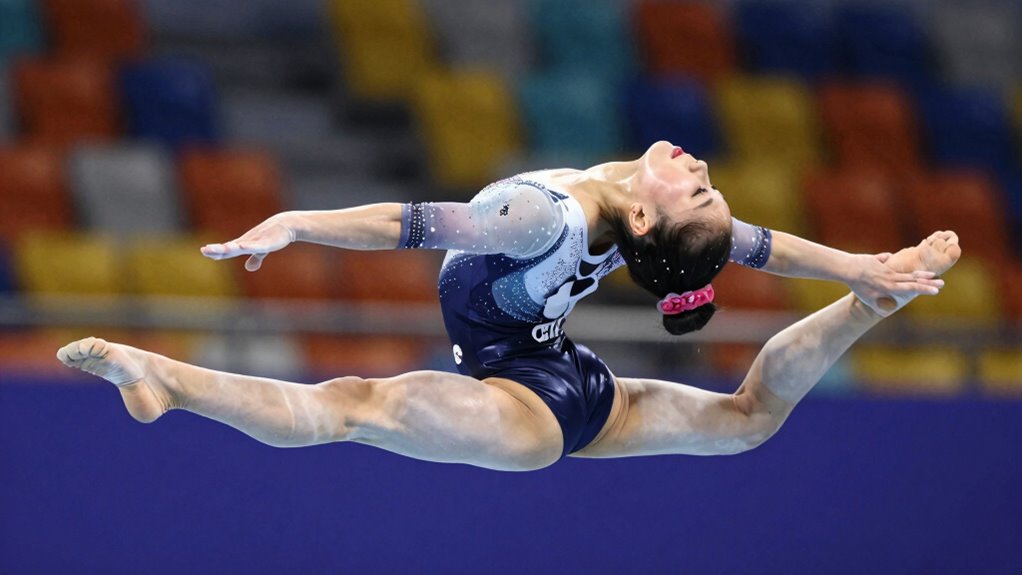
Understanding movement quality is fundamental for athletes aiming to perform at their best and reduce injury risk. When your movements are smooth, controlled, and efficient, you enhance your body’s ability to generate power, maintain endurance, and recover quickly. One of the core aspects of movement quality involves neuromuscular coordination, which is how well your brain communicates with your muscles to produce precise movements. If your neuromuscular system isn’t functioning at its best, you might find yourself overcompensating with certain muscles, leading to inefficient motion and increased fatigue. Improving neuromuscular coordination ensures that your muscles work together seamlessly, allowing you to execute complex movements with accuracy and fluidity. This coordination is especially critical in sports requiring quick changes in direction, jumping, or rapid acceleration, where even minor lapses can cause a loss of performance or injury. Additionally, incorporating multi-unit setups can help in developing better movement patterns and muscle balance, further supporting overall movement quality. Another essential factor is joint stability, which refers to the ability of your joints to withstand forces without excessive movement that can cause damage. When your joints are stable, you maintain proper alignment during dynamic actions, reducing undue stress on ligaments, tendons, and cartilage. Without adequate joint stability, your body compensates by recruiting muscles in ways that can lead to imbalances and, ultimately, injury. For example, in a sport like basketball, maintaining ankle joint stability helps prevent sprains, while stable knees protect against ligament tears during sudden pivots or landings. Achieving ideal joint stability relies on strengthening the surrounding muscles, especially the smaller stabilizers that support your joints during movement. Paying attention to movement patterns and how your body moves through each action can also help identify and correct inefficiencies that contribute to injury risk. Regularly engaging in stability exercises can further enhance joint support and overall movement control. Proper training techniques, such as joint stabilization exercises, can significantly enhance your stability and overall movement quality. Not only does this enhance your athletic performance, but it also minimizes the likelihood of injuries that sideline your progress. When neuromuscular coordination is refined and joint stability is prioritized, your movements become more efficient, allowing you to conserve energy and avoid unnecessary strain. This holistic approach to movement helps you develop a resilient body capable of handling the physical demands of your sport. Whether you’re sprinting, jumping, lifting, or twisting, high-quality movement integrates these principles, making each motion safer and more effective. Ultimately, investing in movement quality isn’t just about performance; it’s about creating a sustainable athletic career where injuries are minimized, and your potential is maximized.
stability training exercises for athletes
As an affiliate, we earn on qualifying purchases.
As an affiliate, we earn on qualifying purchases.
Frequently Asked Questions
How Can I Assess My Own Movement Quality Effectively?
To assess your movement quality effectively, start with a movement screening to identify any imbalances or weaknesses. Focus on your functional mobility by performing simple tests like squats, lunges, and shoulder circles. Pay attention to how smoothly and painlessly you move through each. Record yourself and compare your performance over time. If you notice limitations or discomfort, consider consulting a professional for a detailed assessment and personalized guidance.
What Common Mistakes Harm Movement Quality in Athletes?
You often harm your movement quality by neglecting proper biomechanics and rushing through exercises. Common mistakes include poor posture, improper alignment, and overusing certain muscles, which decrease movement efficiency. Conducting regular biomechanical analysis helps identify these issues early, allowing you to correct form and improve overall movement. Focusing on maintaining proper technique guarantees your movements stay efficient, reducing injury risk and enhancing athletic performance.
Is Movement Quality More Important Than Strength or Endurance?
You might be surprised, but movement quality is often more important than strength or endurance; studies show that poor movement patterns are linked to higher injury risks. When you focus on functional flexibility and proper movement patterning, you improve overall performance and reduce injury chances. Prioritizing movement quality helps you move more efficiently, making your strength and endurance efforts more effective. So, it’s crucial to build a solid movement foundation first.
How Does Age Affect Movement Quality in Sports?
As you age, you’re likely to experience an age-related decline in movement quality, which can impact your sports performance. However, maintaining or improving movement adaptability is key to staying active and reducing injury risk. Regular training focused on flexibility, strength, and coordination helps counteract these effects, ensuring you continue to perform well. By prioritizing movement quality, you preserve your athletic ability and enjoy sports longer, regardless of age.
Can Improving Movement Quality Prevent Sports Injuries?
Ever wonder if better movement quality can keep you off the sidelines? Improving your movement efficiency can indeed help prevent sports injuries by ensuring your body moves correctly and absorbs impact effectively. Focus on injury prevention by strengthening your muscles and refining your technique. When you prioritize movement quality, you reduce strain on joints and tissues, making injuries less likely. Isn’t staying healthy and performing your best worth the effort?
neuromuscular coordination training tools
As an affiliate, we earn on qualifying purchases.
As an affiliate, we earn on qualifying purchases.
Conclusion
Remember, your movement quality is the steady brushstroke painting your athletic masterpiece. When you focus on moving with precision and control, you’re not just avoiding injury—you’re revealing your true potential. Think of each movement as a dance, where every step flows seamlessly into the next, creating harmony and power. So, keep honing your movement skills, and watch as your game transforms into a symphony of strength, agility, and grace. Your best performance is just a movement away.
joint stability workout equipment
As an affiliate, we earn on qualifying purchases.
As an affiliate, we earn on qualifying purchases.
movement quality improvement products
As an affiliate, we earn on qualifying purchases.
As an affiliate, we earn on qualifying purchases.
Fall Picks
fall essentials
As an affiliate, we earn on qualifying purchases.