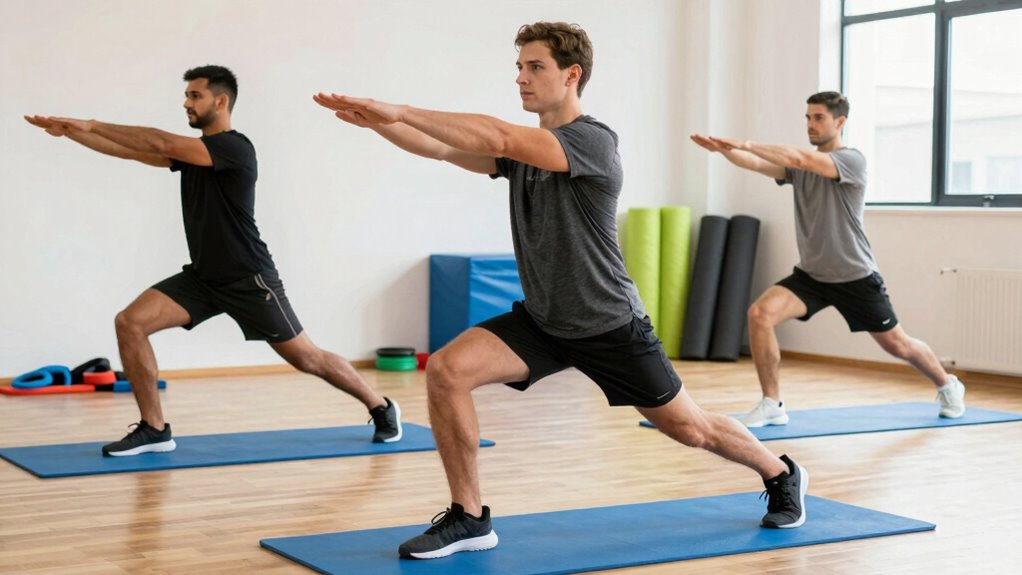

You shouldn’t do random warm-ups because they don’t prepare your body effectively or prevent injuries. A structured routine targets muscles and joints relevant to your activity, helps gradually elevate your heart rate, and keeps you mentally focused. Without a clear plan, you risk strains, pulls, and decreased performance. Properly tailored warm-ups boost safety, efficiency, and confidence. Stick with a purposeful warm-up, and you’ll discover even more ways to optimize your workout success.
Key Takeaways
- Random warm-ups fail to target specific muscles and joints needed for the activity, increasing injury risk.
- Inconsistent routines do not gradually elevate heart rate, compromising safe performance.
- Lack of focus reduces mental readiness and concentration during exercise or competition.
- Unstructured warm-ups miss hydration and electrolyte needs, impairing muscle function.
- Deliberate, targeted warm-ups optimize safety, efficiency, and athletic performance.
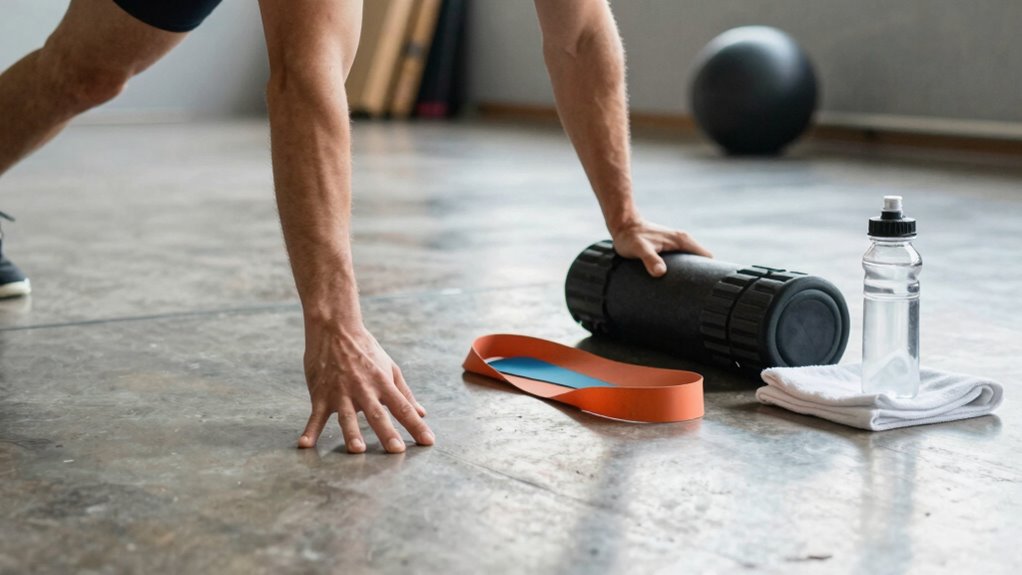
Warming up is a critical step before any athletic activity, as it prepares your body for the demands of exercise and helps prevent injuries. But it’s not just about moving aimlessly or doing the same routine each time. A random warm-up can be ineffective and even counterproductive. Instead, you need a purposeful approach that considers your specific activity, your body’s needs, and how to maximize your performance from the start.
One key reason why warm-ups shouldn’t be random is because they should be tailored to target the muscles and joints you’ll use most during your sport or workout. For example, if you’re about to run, your warm-up should focus on leg activation and mobility drills, rather than just general jogging. Random warm-ups often lack this focus, leaving certain muscle groups unprepared and increasing the risk of strains or pulls. Structured warm-ups also allow you to gradually elevate your heart rate, which is essential for safe and effective performance, instead of jumping into high-intensity activity too quickly. Additionally, incorporating targeted warm-up exercises can more effectively prepare your muscles for the specific demands of your activity.
Target your muscles and gradually elevate your heart rate for a safe, effective warm-up tailored to your activity.
Hydration strategies play an essential role during warm-ups. Dehydration can impair muscle function, coordination, and mental clarity, making your warm-up less effective and increasing injury risk. Proper hydration before and during your warm-up ensures your muscles are lubricated, your core temperature is at its best, and your energy levels are maintained. It’s not enough to just drink water; you should also consider electrolyte intake if you sweat heavily or exercise for extended periods. This strategic hydration helps your body perform better during warm-up and prepares you mentally for the session ahead. Additionally, hydration timing is crucial to optimize fluid absorption and effectiveness. According to research, proper hydration can significantly improve your warm-up outcomes by maintaining electrolyte balance and preventing cramping. Ensuring proper hydration can also influence your mental alertness and overall readiness.
Mental preparation is equally important during your warm-up routine. Rushing through a random warm-up can leave you mentally disengaged, which hampers focus and motivation. Instead, take a moment to mentally tune in, visualize your goals, and get into the right mindset. A purposeful warm-up that includes deep breathing or mindfulness exercises can sharpen your concentration, boost confidence, and reduce pre-competition anxiety. Incorporating mindfulness techniques into your warm-up can enhance your mental clarity and overall focus, making your performance more effective. This mental readiness enhances your overall performance and helps you stay alert and responsive during the activity.
In essence, your warm-up should be deliberate and well-structured. Random routines don’t maximize the benefits of preparing your body and mind. By focusing on targeted movements, implementing effective hydration strategies, and engaging in mental preparation, you set yourself up for a safer, more efficient, and more enjoyable workout or competition. Remember, a thoughtful warm-up isn’t just a prelude; it’s an integral part of your athletic success.

Sports Injury Prevention Warm Up Routines: Targeted Exercises To Prepare Muscles, Improve Flexibility, And Reduce Risk Of Common Sports Injuries
As an affiliate, we earn on qualifying purchases.
As an affiliate, we earn on qualifying purchases.
Frequently Asked Questions
How Long Should a Proper Warm-Up Last?
A proper warm-up should last about 10-15 minutes. During this time, you focus on dynamic movements to improve muscle flexibility and prepare your body for activity. This duration helps increase blood flow and loosen muscles, which is essential for injury prevention. Avoid rushing through it; a thorough warm-up primes your muscles and reduces the risk of strains or pulls during your workout or game.
Are Dynamic Warm-Ups Better Than Static Stretches?
Dynamic warm-ups are better than static stretches because they actively prepare your muscles for movement, reducing the risk of injury. Static stretching myths suggest it’s the best way to warm up, but it can actually decrease muscle strength if done too early. Instead, dynamic exercises increase blood flow and flexibility, helping prevent injuries and improve performance. You should focus on dynamic warm-ups before activity, reserving static stretching for afterward.
Can Warm-Ups Prevent All Sports Injuries?
Like a knight preparing for battle, your warm-up can help prevent some sports injuries, but it can’t stop all. Proper injury prevention depends on targeted muscle activation and thorough routines. You can’t rely on a quick, random warm-up to cover every risk. Instead, focus on specific exercises that activate key muscle groups, helping you stay safer and perform better. Remember, even the best warm-up isn’t a guarantee—it’s just part of the armor.
Should Warm-Ups Be Different for Beginners and Pros?
Yes, warm-ups should differ for beginners and pros because training consistency and equipment necessity vary. As a beginner, you need simpler, lower-intensity warm-ups to build a foundation and prevent injuries. Pros require more advanced routines that target specific muscles and movements, guaranteeing peak performance. Tailoring warm-ups helps you stay consistent with training, reduces injury risks, and guarantees you’re properly prepared, no matter your skill level.
Is There a Universal Warm-Up Routine for All Sports?
You can’t expect one warm-up to conquer all sports—it’s like trying to fit a square peg into a round hole. A universal routine doesn’t exist because each sport demands unique sport-specific drills and mental preparation. Your warm-up should ramp up your muscles and sharpen your mind for your specific activity. Tailoring it guarantees you’re primed for peak performance, not just going through the motions with a generic, one-size-fits-all approach.

AMPED Warm-up 3.0: Simple, Fast & Effective System for Supercharging Your Workout & Recovery (The Complete Athletic Strength Development System)
As an affiliate, we earn on qualifying purchases.
As an affiliate, we earn on qualifying purchases.
Conclusion
Skipping a structured warm-up might seem like saving time, but it’s like rushing onto a stage without rehearsing—you risk stumbling when you need to perform your best. Random warm-ups may feel quick and easy, yet they lack purpose and precision. When you prioritize intentional preparation, you set yourself up for success. Think of a well-planned warm-up as your secret weapon, turning potential pitfalls into stepping stones for peak performance. Don’t leave your game to chance—warm up smart, perform better.
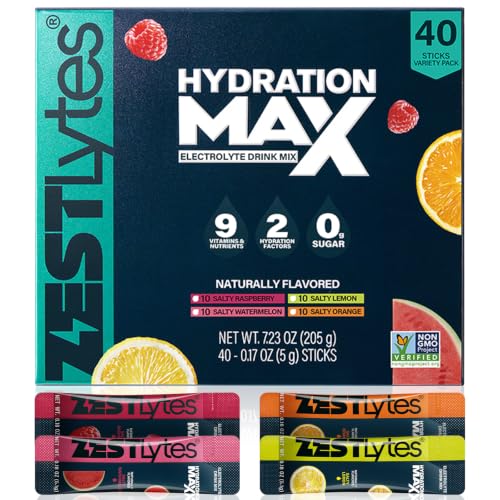
40 Sticks Salty Fruit Sugar Free Electrolyte Hydration Packets High Sodium
- Salty Fruit Flavor for Intensity: Built for high-intensity hydration needs
- High Electrolyte Content: Provides 590mg sodium, 330mg potassium
- Dual Hydration Factors: Activates entire intestine for faster rehydration
As an affiliate, we earn on qualifying purchases.
As an affiliate, we earn on qualifying purchases.

Aray Heated Foam Roller – Cordless Deep Tissue Muscle Massage & Recovery
- Even-Heat Technology: Warms muscles while you roll
- Designed for Active Use: Ideal for runners, lifters, cyclists, desk workers
- Cordless & Portable: Rechargeable battery lasts 60 minutes
As an affiliate, we earn on qualifying purchases.
As an affiliate, we earn on qualifying purchases.