TL;DR

Get workout gear delivered free with Prime
- Fast, free delivery on millions of items
- Prime Video, Amazon Music and more included
- Member-only deals all year
Fit&Well has published a 10-minute, no-equipment Pilates routine for beginners, created by instructor Andrew Griffiths. It includes six floor-based exercises and recommends practising three times a week with a rest day between sessions; the reported benefits are guidance from Griffiths, not results from a trial of this specific workout.
Fit&Well has published a 10-minute Pilates routine for beginners that requires no equipment and was created by instructor Andrew Griffiths. The six floor-based movements focus on controlled core and hip work, offering readers a short routine they can try at home; the source presents potential benefits as expert guidance, not as measured outcomes from a study.
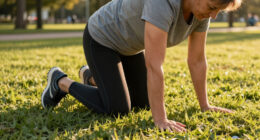
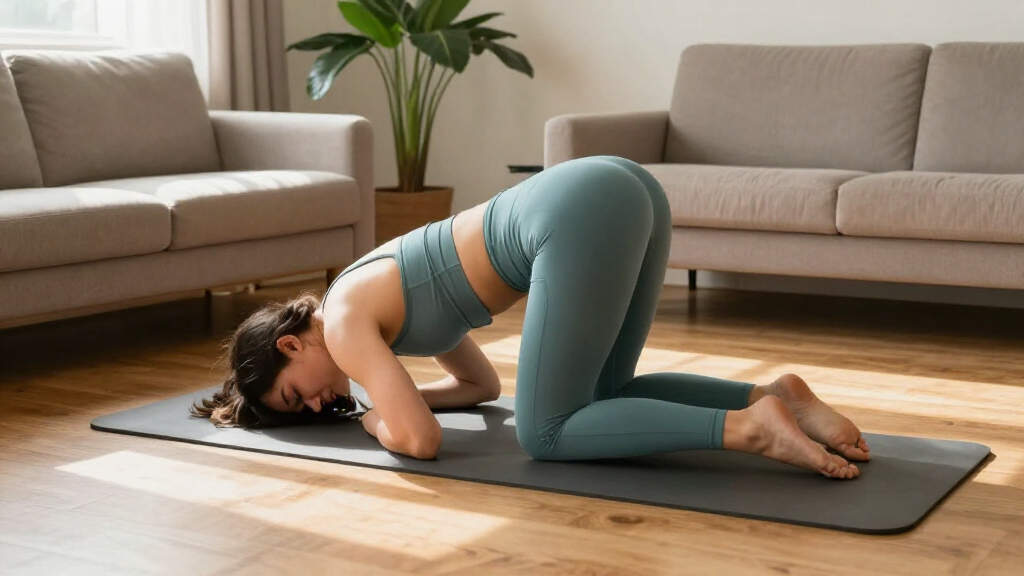
The sequence moves from pelvic tilts and the Hundred to dead bugs, glute bridges, bird dogs and a final Child’s pose. Most movements are performed on the back or on hands and knees. The routine uses body weight and a small amount of floor space, with breathing coordinated to the movements.
Fit&Well’s instructions prescribe eight to 10 pelvic tilts, followed by 40 arm pulses for the Hundred, with a 30-second rest. Griffiths says beginners can start with 40 or 50 pulses rather than working toward 100 immediately. For the dead bug, glute bridge and bird dog, the routine calls for two sets each, with repetitions varying by exercise and side; it lists 30-second rests. It finishes with a 30-to-60-second Child’s pose.
Griffiths advises practising the routine three times a week, leaving a day off between sessions, and increasing the challenge when the sequence begins to feel easy. The source does not provide a progression plan beyond that general advice. It also offers easier adjustments, including keeping the head and shoulders down or leaving the feet on the floor during the Hundred.
A Short Routine for Home Practice
The workout is presented as an accessible way for beginners to try Pilates without purchasing equipment or setting aside a long session. Its emphasis on slow, controlled movement and breathing may help newcomers learn how to coordinate movement with trunk stability, according to Griffiths. That makes the routine relevant to people seeking a simple starting point, though the article does not establish that this particular sequence improves strength or posture for every participant.
Griffiths links the exercises to muscles involved in stabilising the spine and supporting movement. He says the dead bug, Hundred and bird dog target the core, while the glute bridge and bird dog work the glutes and muscles supporting the back. These are attributed explanations of the exercises, not clinical findings about injury prevention or treatment.
non-slip Pilates exercise mat for home workouts
As an affiliate, we earn on qualifying purchases.
As an affiliate, we earn on qualifying purchases.
How the Six Moves Fit Together
The routine starts with pelvic tilts, a small movement intended to build awareness of pelvic position, then adds arm pulses and alternating arm-and-leg movements. The bridge shifts attention to raising and lowering the hips, while the bird dog asks participants to extend opposite limbs without letting the hips rotate. Child’s pose provides a gentle closing stretch.
Griffiths describes Pilates as combining breath with deliberate movement. He says pelvic tilts and Child’s pose offer gentle movement for the spine and hips, while the other exercises challenge control and stability. The source also says long periods of sitting can be associated with weaker glute muscles, but it supplies no data on how common that is or how much this routine would change muscle strength.
““Small and controlled is the aim. The movement comes from the pelvis, not the legs.””
— Andrew Griffiths, Pilates instructor and fitness expert at Net World Sports, as quoted by Fit&Well
beginner Pilates mat workout guide
As an affiliate, we earn on qualifying purchases.
As an affiliate, we earn on qualifying purchases.
Evidence and Individual Limits
The supplied report does not state a publication date, cite a clinical trial, or quantify changes in strength, posture, stress or back strain from this specific routine. Claims about possible benefits are attributed to Griffiths and should not be read as guaranteed results. Fit&Well also does not give detailed advice for people with injuries, pain, pregnancy-related concerns or other health conditions.
Readers may need to adapt movements to their ability and range of motion. The source includes easier options for the Hundred but does not provide modifications for every exercise. It does not establish that the routine is appropriate for all people or explain how to assess whether a movement should be stopped.
Pilates grip socks for women and men
As an affiliate, we earn on qualifying purchases.
As an affiliate, we earn on qualifying purchases.
Suggested Schedule and Progression
Fit&Well recommends trying the sequence three times weekly, with a rest day between sessions, and treating an easier-feeling routine as a cue to progress. No specific next-level exercises, added repetitions or timetable for progression are given. Beginners can follow the listed modifications and keep movements controlled rather than trying to match a target that feels uncomfortable.
Anyone with a pre-existing condition, injury or persistent pain should seek guidance from a qualified health professional before starting or adapting an exercise routine. The report does not announce a follow-up assessment or provide evidence about longer-term results.
Key Questions
Does the Pilates routine require equipment?
No. Fit&Well says the 10-minute routine uses no equipment and requires only space on the floor.
Which exercises are included?
The six movements are pelvic tilts, the Hundred, dead bugs, glute bridges, bird dogs and Child’s pose.
How often does the report recommend doing it?
Griffiths recommends three sessions a week, with a day off between sessions. This is his guidance as reported by Fit&Well, not a schedule tested in the article.
What can a beginner do if the Hundred feels difficult?
The source suggests starting with 40 or 50 pulses rather than 100, keeping the feet on the floor, or leaving the head and shoulders down.
Does the report prove the workout improves posture or prevents back problems?
No. Griffiths describes how the exercises may support core control and muscles involved in posture, but the report does not cite research testing this routine or establish that it prevents or treats back problems.
Source: rss
Fall Picks
fall essentials
As an affiliate, we earn on qualifying purchases.