
For ideal performance, eat carbs and moderate protein about 30-60 minutes before exercising to fuel your workout comfortably. Afterward, prioritize high-protein and carbohydrate-rich foods within 30-60 minutes to support muscle recovery and replenish glycogen. Proper timing and portion control are key to avoiding discomfort or overeating. To discover more about balancing your pre- and post-workout nutrition for better results, keep exploring effective strategies tailored to your activity.
Key Takeaways
- Consume easily digestible carbs and moderate protein 30-60 minutes before exercise for energy and comfort.
- Prioritize hydration before and during workouts to support performance and prevent dehydration.
- Post-workout, focus on high-protein and carbohydrate-rich foods within 30-60 minutes to optimize muscle recovery.
- Avoid heavy, high-fat, or high-fiber foods pre-workout to prevent discomfort; skip processed foods immediately post-exercise.
- Tailor your timing and food choices based on workout intensity and individual needs for best results.
pre workout energy snacks
As an affiliate, we earn on qualifying purchases.
As an affiliate, we earn on qualifying purchases.
The Role of Pre-Workout Nutrition in Performance
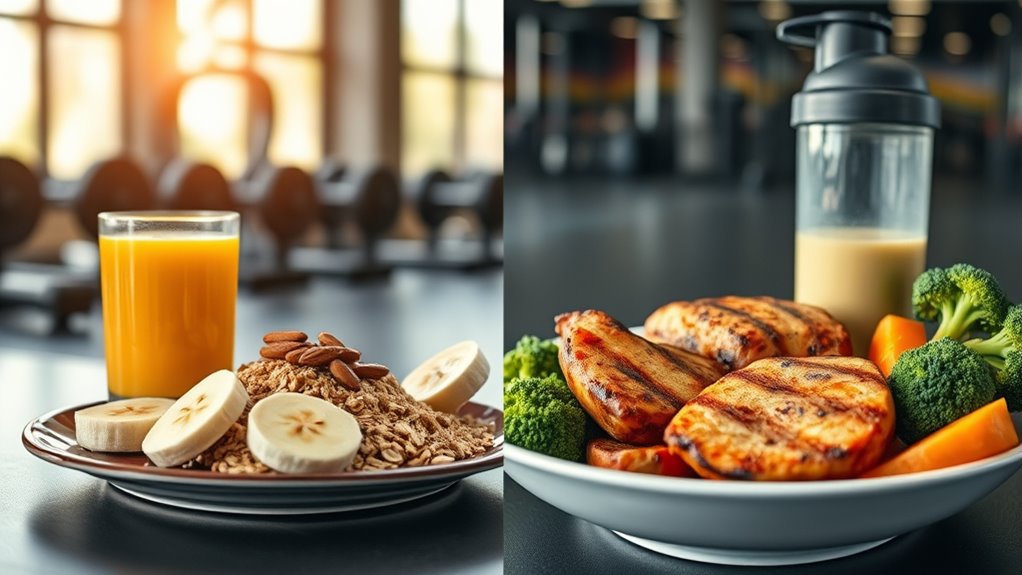
Pre-workout nutrition plays a crucial role in boosting your performance by fueling your body and enhancing focus. Proper hydration strategies are essential, so drink water beforehand to prevent dehydration and maintain ideal muscle function. Electrolyte drinks can also help maintain fluid balance during intense activity. Mental focus techniques, like deep breathing or visualization, sharpen your concentration and prepare you mentally for exercise. Consuming fluids at the right time ensures you’re energized without feeling bloated or sluggish. Staying well-hydrated improves endurance, reduces fatigue, and keeps your mind sharp. Combining effective hydration strategies with mental focus techniques creates a solid foundation for peak performance, helping you stay motivated and engaged throughout your workout. Proper pre-workout hydration and mental readiness can profoundly impact your results.
post workout protein powder
As an affiliate, we earn on qualifying purchases.
As an affiliate, we earn on qualifying purchases.
Optimal Pre-Workout Foods to Fuel Your Exercise

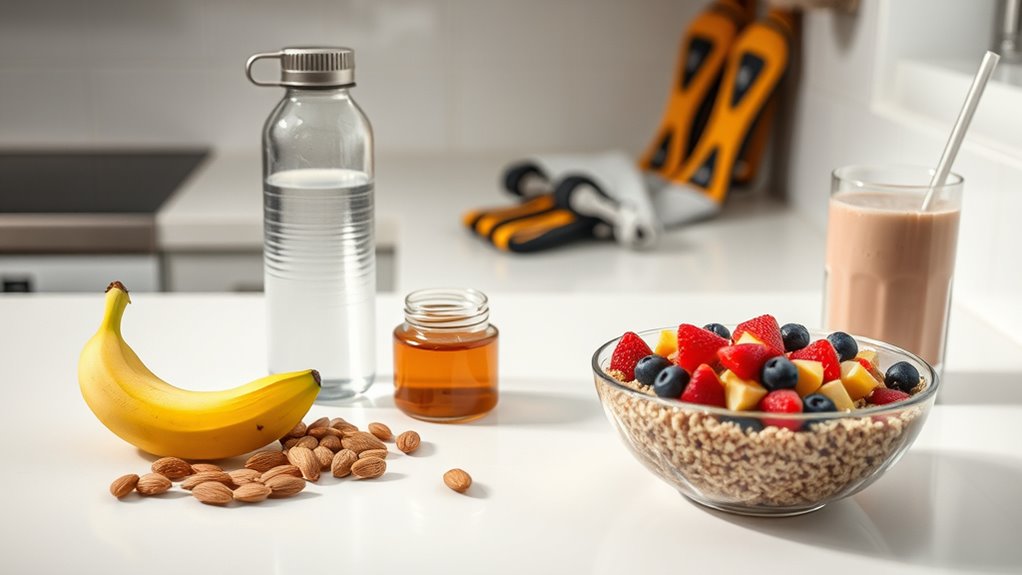
Fueling your body with the right foods before exercise can make a significant difference in your performance. Pre workout snacks should be rich in easily digestible carbs and moderate in protein to provide energy boosters without causing discomfort. Opt for options like a banana with a small spoon of peanut butter, Greek yogurt with berries, or a slice of whole-grain toast with honey. These foods help replenish glycogen stores and sustain your stamina. Avoid heavy, fatty, or high-fiber foods that can cause bloating or sluggishness during your workout. Timing matters too—consume your pre-workout meal about 30 to 60 minutes prior to exercise. Additionally, choosing performance-enhancing foods can boost your workout efficiency and results. Incorporating carbohydrate sources that are quickly absorbed can further improve exercise capacity. Consuming properly balanced nutrients can help prevent fatigue and optimize recovery. For even better results, consider incorporating nutrient timing strategies to maximize energy levels. For example, selecting electric bike components like high-capacity batteries or efficient motors can help sustain your energy during long rides, highlighting the importance of proper planning in both nutrition and equipment. By choosing the right energy boosters, you’ll feel more energized, focused, and ready to crush your workout.
electrolyte drinks for athletes
As an affiliate, we earn on qualifying purchases.
As an affiliate, we earn on qualifying purchases.
The Importance of Post-Workout Nutrition for Recovery
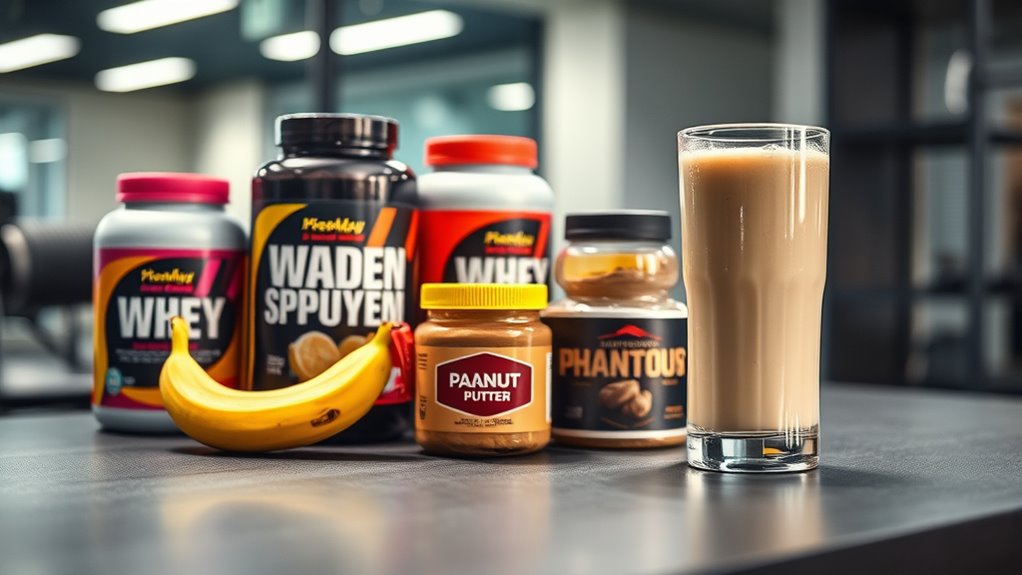
After your workout, replenishing your body with the right nutrients is vital for effective recovery. Hydration strategies play an essential role, so drink water or electrolyte drinks to replace fluids lost through sweat. Proper hydration helps reduce muscle soreness and speeds up the healing process. When it comes to supplement choices, consider options like protein shakes or amino acids to support muscle repair and growth. Pimple Patches can also be a quick, targeted solution to manage any skin breakouts that may occur from sweating and hormonal fluctuations after exercise. These supplements can provide quick, easily digestible nutrients that your body needs immediately after exercise. Remember, neglecting post-workout nutrition can prolong recovery time and increase injury risk. Prioritizing hydration and choosing the right supplements ensures your body recovers efficiently, so you’re ready for your next workout with strength and energy. Incorporating pressure relief solutions like high-quality mattress toppers can also help improve sleep quality, which is crucial for muscle recovery. Additionally, understanding the importance of performance tuning for your vehicle can inspire you to optimize your car’s capabilities for better driving dynamics. To further support your recovery, consider incorporating whole, unprocessed foods into your post-workout meals for optimal nutrient absorption and health benefits. Research indicates that indoor air quality can impact overall health and recovery, emphasizing the importance of a clean environment.
hydration bottles for exercise
As an affiliate, we earn on qualifying purchases.
As an affiliate, we earn on qualifying purchases.
Best Post-Workout Meals and Snacks for Muscle Repair

Choosing the right post-workout meals and snacks can make a significant difference in how quickly your muscles recover and grow. Focus on options rich in protein and carbs to optimize repair. Here are some effective snack options:
- A protein shake or recovery smoothie packed with whey and fruit
- Greek yogurt with honey and berries
- Whole-grain toast with nut butter and banana
- Cottage cheese with pineapple or sliced veggies
Recovery smoothies are especially convenient, combining protein, carbs, and hydration in one drink. Aim for a balance that replenishes glycogen stores and supplies amino acids for muscle repair. Incorporating nutrient-dense foods can further enhance recovery by providing essential vitamins and minerals. Consuming timed nutrition appropriately can also optimize your muscle rebuilding process. Including appropriate carbohydrate intake helps restore energy levels more effectively. Avoid high-fat or overly processed foods immediately after your workout, as they slow digestion. Prioritize these nutrient-dense snacks to support your recovery process and maximize gains. Incorporating energy-dense foods into your post-workout routine can further enhance muscle repair and replenish depleted stores, especially when combined with mindful meal timing strategies.
Timing and Portion Sizes for Effective Nutrition
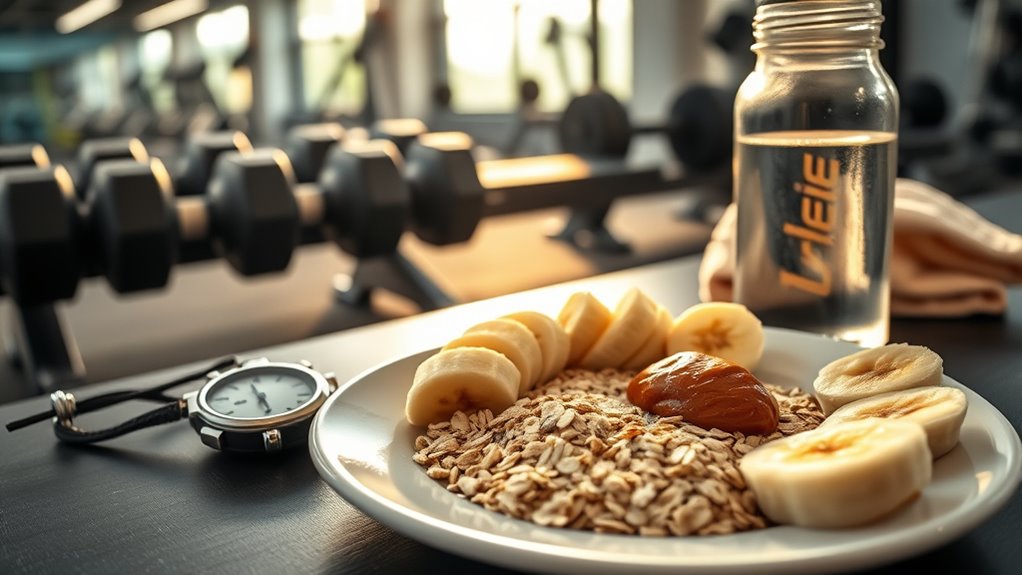
Getting your nutrition right depends on timing and portion sizes that suit your activity and goals. Eating too much or too little at the wrong times can hinder your progress. By using effective meal timing and portion control strategies, you can optimize your energy and recovery. Additionally, understanding potential risks in merchant services can help ensure your payment systems support your fitness business effectively. For optimal results, combining this approach with proper thermal behavior awareness can help you better manage your food intake and performance. Incorporating Kia Tuning principles, such as precise adjustments to your intake and activity levels, can further enhance your overall results. Recognizing relationship dynamics can also play a role in maintaining motivation and consistency in your fitness journey. Implementing power management strategies can also ensure your nutrition plan supports sustained performance during intense workouts.
Optimal Meal Timing
Timing your meals around workouts can considerably impact your performance and recovery. To optimize your results, focus on meal timing strategies that align with nutrient timing principles. Here are key points to contemplate:
- Aim to eat a balanced meal 1-3 hours before exercise to fuel your session.
- Post-workout, consume a mix of carbs and protein within 30-60 minutes to enhance recovery.
- Keep portion sizes moderate before workouts to prevent discomfort.
- Adjust timing based on workout intensity and duration, ensuring your body has adequate energy and nutrients.
- Incorporate timing strategies that consider your individual needs and activity levels for better results.
- Selecting appropriate USB cable types can ensure your devices stay connected during your training or recovery sessions.
- Remember, staying hydrated before, during, and after exercise supports optimal performance and recovery.
Portion Control Strategies
To maximize the benefits of your workouts, controlling portion sizes is just as important as what you eat. Proper meal portioning helps you avoid overeating and supports your fitness goals. For main meals, aim for balanced plate sizes that include lean proteins, healthy fats, and complex carbs, ensuring you’re fueled without feeling sluggish. When it comes to snacks, stick to snack size portions—about 200 calories—to curb hunger and maintain energy levels. Using smaller plates and bowls can help regulate your intake naturally. Pay attention to your body’s hunger cues and avoid eating out of habit or boredom. Effective portion control guarantees your nutrition supports recovery and performance without excess calories, making your pre- and post-workout nutrition more impactful.
Common Mistakes to Avoid in Pre- and Post-Workout Eating
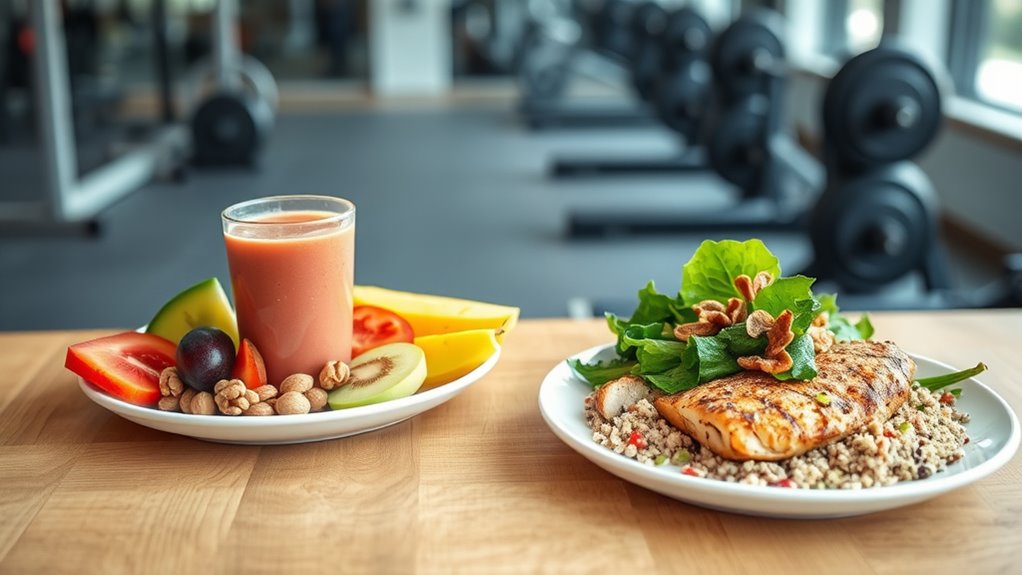
One of the most common mistakes people make with pre- and post-workout nutrition is focusing solely on what they eat without considering portion sizes or timing. Skipping meals can leave you energy-depleted, while overeating can cause discomfort and sluggishness. To avoid these pitfalls, keep in mind:
- Don’t skip meals before workouts; fuel your body adequately.
- Avoid overeating post-workout, which can hinder recovery.
- Pay attention to timing; eat too early or late can impact performance.
- Balance your meals with carbs, protein, and fats for sustained energy.
Neglecting these factors leads to poor results and potential setbacks. Proper planning guarantees your body gets the nutrients it needs without falling into overeating habits or skipping essential fueling moments.
Frequently Asked Questions
How Does Hydration Impact Pre- and Post-Workout Performance?
Hydration levels notably impact your workout performance by maintaining electrolyte balance and preventing fatigue. When you’re well-hydrated, your muscles function at their best, giving you more energy and endurance. Proper hydration before exercise helps you stay focused, while drinking afterward replaces lost fluids and restores electrolyte balance. If you neglect hydration, you risk dehydration, which can lead to decreased strength, slower recovery, and increased injury risk. Stay consistent with your fluid intake for better results.
Can Supplements Replace Whole Foods for Workout Nutrition?
Supplements can’t fully replace whole foods for workout nutrition because meal replacements often lack essential nutrients and fiber that support overall health. While supplements are convenient, you should prioritize whole foods to guarantee safety and balanced intake. Relying solely on supplements may risk nutrient gaps or unknown side effects, so always choose high-quality products and consult with a healthcare professional to maintain ideal supplement safety.
What Are the Signs of Inadequate Pre- or Post-Workout Nutrition?
You might notice signs of inadequate pre- or post-workout nutrition like persistent energy dips and nutrient deficiencies. If you regularly feel exhausted during or after workouts, it’s a clear sign you’re not fueling properly. You may also experience muscle weakness, slow recovery, or increased soreness. These symptoms indicate your body isn’t getting enough essential nutrients, so adjusting your intake with balanced meals and timely snacks can help boost your energy and support recovery.
Does Timing Vary for Different Types of Exercise (Cardio vs. Strength)?
Yes, exercise timing varies based on your workout type. For cardio, you might want a light snack 30-60 minutes beforehand for sustained energy, while strength training benefits from a protein-rich meal 1-2 hours prior. Post-workout, refuel with carbs and protein within 30-60 minutes to optimize recovery. Adjust your nutrition timing to match your exercise timing and workout type for better results and performance.
Are There Specific Dietary Restrictions to Consider Around Workouts?
Did you know that 15% of people avoid certain foods due to dietary restrictions? When planning your meals around workouts, consider these restrictions—dairy, gluten, or nuts—that might impact energy levels or digestion. You need to customize your meal planning accordingly, choosing easily digestible options to fuel or recover without discomfort. Being mindful of restrictions ensures you stay energized, comfortable, and support your fitness goals effectively.
Conclusion
Remember, what you eat before your workout powers your performance, while post-workout nutrition helps your muscles recover. Skipping the right foods can leave you sluggish, but fueling wisely guarantees progress and strength. It’s a simple contrast: one fuels the fire, the other soothes the burn. Pay attention to timing and portion sizes, and you’ll maximize your results. Balance both, and your fitness journey becomes more effective and rewarding.