TL;DR

Get workout gear delivered free with Prime
- Fast, free delivery on millions of items
- Prime Video, Amazon Music and more included
- Member-only deals all year
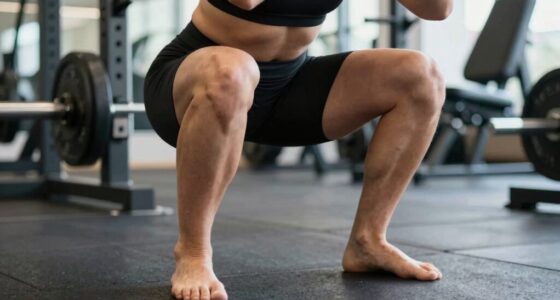
Certified personal trainer Francesco Zen told Fit&Well that shifting weight toward the outer edges of the feet and pressing the knees outward helped him engage his glutes during the overhead squat. He recommends building the movement gradually, starting with mobility work and an exercise stick or plastic pipe before trying a barbell.
Certified personal trainer Francesco Zen says a small change in foot pressure and knee position helped him improve his overhead squat: shift weight toward the outer parts of the feet and push the knees outward while lowering. In a Fit&Well report, Zen said the cue helped him engage his glutes, which he described as central to supporting the movement.
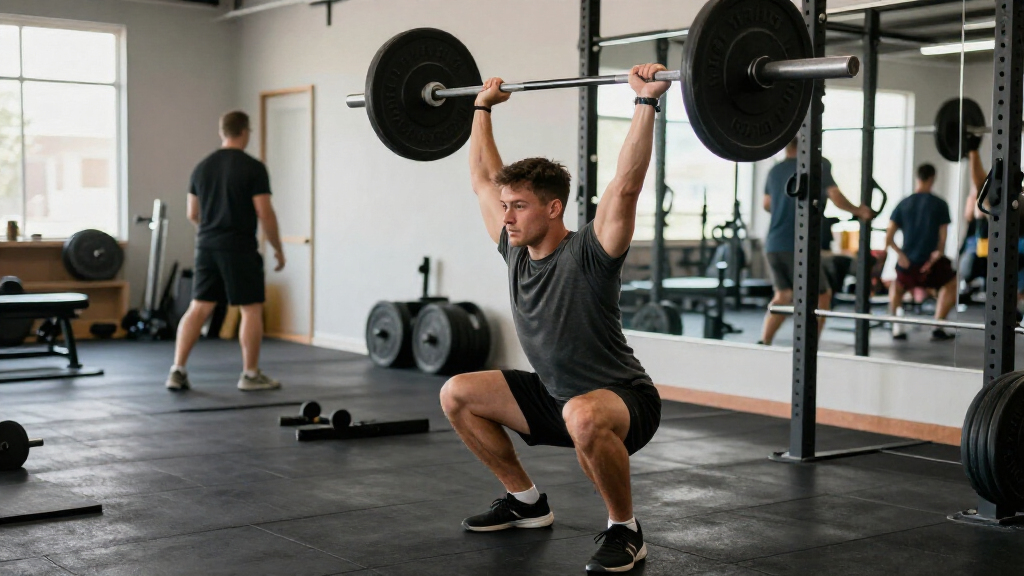
The overhead squat is an advanced variation in which a person holds an exercise stick, pipe or barbell overhead while squatting. Zen told Fit&Well that it combines mobility, core activation and stability, with the shoulders, spine, hips and ankles all involved. He said the glutes support the movement from the top to the bottom of the squat.
Zen’s main technique cue is to direct body weight toward the outer edges of the feet and keep the knees pressing outward as the body lowers. He said changing the angle of the position can alter how the movement feels. The report does not provide a measured test of the cue or establish that it will work the same way for every person; it presents Zen’s experience and coaching advice.
For people learning the movement, the report recommends progressing in stages rather than beginning with a loaded bar overhead. Suggested starting points include bodyweight squats with the arms raised, wall-based squat and reach drills, and then squatting while holding a dowel or plastic pipe. Zen also recommends the Frankenstein squat, with the arms extended forward at shoulder height, as an easier position to stabilize while practicing related core, glute and mobility demands.
A Cue for Better Squat Control
The advice gives readers a concrete technique adjustment to try while practicing an exercise that requires coordination across several parts of the body. Keeping the knees moving outward over the feet and maintaining pressure toward the outer feet are cues intended to support glute engagement and control, rather than a promise of a particular result.
The report also stresses that the overhead squat is not simply a matter of strength. A person needs adequate shoulder, spine, hip and ankle mobility to hold the implement overhead while staying upright. Practicing unloaded versions can help people work on positioning without immediately adding the demands of a barbell.
That distinction matters for readers deciding whether to add the lift to a workout. Zen’s cue is personal coaching guidance, not evidence that everyone should attempt the movement. The report advises mastering it first with a light, unweighted implement and suggests seeking help from an exercise professional or spotter for the more advanced version.
wooden mobility dowel stick for squat and shoulder mobility exercises
As an affiliate, we earn on qualifying purchases.
As an affiliate, we earn on qualifying purchases.
Building Toward the Overhead Position
Fit&Well’s report frames Zen’s advice as one trainer’s account of a cue that helped him progress with a movement he had struggled to perform. Zen is identified as a certified personal trainer and founder of ZLIFE. The article offers his technique suggestions alongside a staged introduction to the exercise.
The proposed progression begins with mobility and bodyweight practice. A squat with the arms overhead, a squat and reach against a wall, and a wall-facing squat with raised arms are listed as ways to practice the position. When ready to squat without wall support, a person can use a gym dowel, plastic pipe or broom to work on alignment before considering a weighted bar.
The Frankenstein squat is presented as an intermediate option: the arms reach forward at shoulder height, or a bar rests across the front of the shoulders, rather than being held overhead. Zen says this position is easier to stabilize while still working on related movement foundations. The report then describes the overhead squat with the bar held above the shoulders and elbows locked.
“The glutes support the whole movement, top to bottom.”
— Francesco Zen, as quoted by Fit&Well
PVC exercise pipe for overhead squat practice
As an affiliate, we earn on qualifying purchases.
As an affiliate, we earn on qualifying purchases.
Limits of the Trainer’s Advice
The account is based on Zen’s personal experience and coaching guidance. Fit&Well’s report does not cite a study comparing this foot-and-knee cue with other approaches, quantify its effect, or say how often it helped him practice. It is not clear whether the same adjustment suits every person or every mobility profile.
The report also does not set out screening criteria for attempting the exercise or address individual injuries and limitations. It advises people to master the movement with a stick or pipe before using a barbell and suggests working with an exercise professional or spotter where possible. Readers who experience pain or have a pre-existing condition should seek qualified guidance before attempting a challenging lift.
resistance band shoulder mobility and squat warm-up
As an affiliate, we earn on qualifying purchases.
As an affiliate, we earn on qualifying purchases.
Practice Before Adding Weight
Zen’s advice, as relayed by Fit&Well, is to build the movement step by step: work on mobility, practice bodyweight squats with the arms raised, then use a dowel or plastic pipe to check alignment. The Frankenstein squat offers another way to practice stability before progressing to the overhead position.
Anyone who advances to the full version should first be able to keep the implement steady overhead while squatting with control. The report recommends support from an exercise professional or spotter for the advanced movement. It does not provide a timetable for progressing or a weight target; those choices depend on the individual’s ability and should not be inferred from the trainer’s cue alone.
weightlifting squat shoes with stable flat sole
As an affiliate, we earn on qualifying purchases.
As an affiliate, we earn on qualifying purchases.
Key Questions
What squat cue did Francesco Zen recommend?
Zen said to shift weight toward the outer parts of the feet and push the knees outward while lowering. He said this helped him engage his glutes during the overhead squat.
Should beginners try the overhead squat with a barbell?
The Fit&Well report recommends first practicing with bodyweight and a dowel or plastic pipe. It says people should master the movement with an exercise stick or pipe before attempting it with a barbell.
What is a Frankenstein squat?
It is a squat variation in which the arms extend forward at shoulder height, or a bar rests across the front of the shoulders. Zen describes it as easier to stabilize than holding a weight overhead while practicing related movement foundations.
What mobility does an overhead squat require?
Zen says the movement calls for mobility in the ankles, hips, spine and shoulders, along with core activation and stability. The report suggests starting with mobility drills and unloaded practice.
Does this cue work for everyone?
The report presents the cue as Zen’s experience and advice; it does not provide evidence that it works for everyone. People with pain, injuries or pre-existing conditions should seek guidance from a qualified exercise professional before trying the lift.
Source: rss
Fall Picks
fall essentials
As an affiliate, we earn on qualifying purchases.