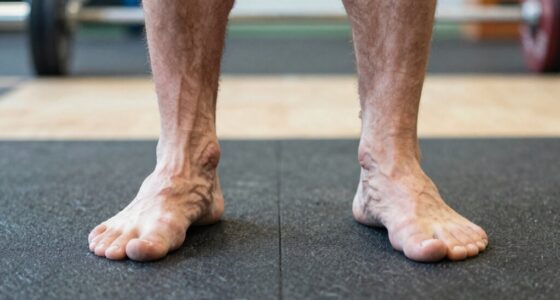

Slowing down a movement helps you spot hidden form problems that often go unnoticed at regular speed. When you move slowly, you can see if your joints are staying aligned and if your muscles are engaging properly. It also reveals any compensations, like wobbling or shrugging, that mask underlying issues. Staying mindful at a slow pace allows you to correct these flaws early, preventing injury and improving your technique over time—if you want to learn more, keep exploring these benefits.

Get workout gear delivered free — and shop member deals
- Fast, free delivery on millions of items
- Access to Prime Big Deal Days deals on October 6–7
- Prime Video, Amazon Music and more included
Key Takeaways
- Slowing down highlights misalignments and compensations that are hidden during quick movements.
- It increases control, making weak or inactive muscles more noticeable.
- Deliberate pace exposes joint instability and poor stabilization techniques.
- It reinforces proper technique, revealing flaws in movement execution.
- Slow movements improve neuromuscular awareness, identifying underlying weaknesses.
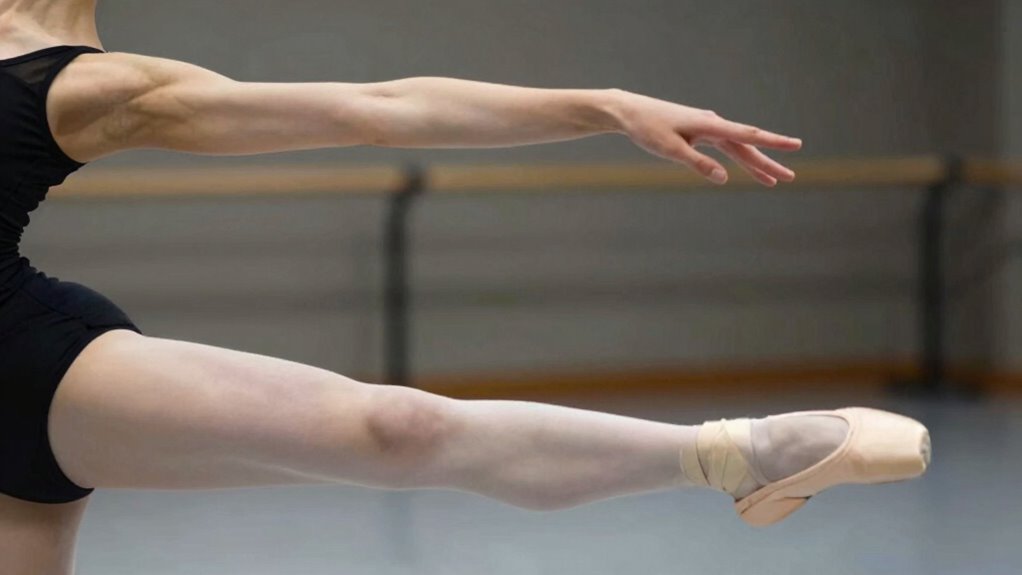
When you slow down a movement, you often uncover issues with your form that might go unnoticed at regular speed. Moving deliberately forces you to focus on how your muscles engage and how your joints stabilize throughout the exercise. This slow pace exposes weaknesses in muscle engagement—areas where certain muscles aren’t activating properly—and reveals instability in your joints that could lead to injury if left uncorrected. As you pause and analyze each phase of the movement, you get a clearer picture of whether you’re truly using the right muscles or just relying on momentum to complete the exercise.
Slowing down reveals hidden form flaws and enhances muscle control for safer, more effective workouts.
Slowing down also enhances your awareness of joint stability. When you move quickly, your body can compensate automatically, masking flaws in alignment or control. But at a slower pace, these compensations become obvious. You might notice your knees wobble during a squat or your shoulders shrug during a press. These signs point to insufficient joint stability, which can be problematic over time, especially if left unchecked. Recognizing these issues early gives you the opportunity to correct your form before they develop into injuries or chronic problems.
Furthermore, a slow movement demands greater control, forcing your muscles to work harder to maintain proper alignment. This increased muscle engagement helps you identify whether specific muscles are weak or underactive. For example, during a slow push-up, you may realize your chest muscles aren’t doing as much work as they should, or your core isn’t stabilizing your spine effectively. In turn, this awareness allows you to target those weak points with specific strengthening exercises, ultimately improving your overall movement quality. Incorporating proper technique into your routine also ensures that your efforts are effective and safe. Additionally, slowing down can improve your muscle memory, making correct form more instinctive over time. Developing this mindful approach can also be supported by understanding the importance of movement control, which enhances both safety and performance.
Practicing slow, controlled movements can also improve your neuromuscular connection. When you deliberately execute each phase of a movement, you reinforce the brain-muscle link, making it easier to activate the right muscles during faster repetitions. This leads to better muscle engagement and joint stability, which are essential for safe, effective workouts. Over time, this mindful approach helps you refine your technique, making your movements more efficient and reducing the risk of injury.
As an affiliate, we earn on qualifying purchases.
Frequently Asked Questions
How Slow Is Too Slow When Analyzing Movement Form?
You should slow down your movement enough to clearly see each detail in your form, but not so much that it becomes awkward or loses natural flow. Using video playback or motion capture helps identify issues, and if you find yourself struggling to maintain control or consistency at a very slow pace, it’s probably too slow. Aim for a speed that reveals form problems without disrupting your overall movement rhythm.
Can Slowing Down Cause Muscle Fatigue or Injury?
Slowing down a movement can increase muscle strain, raising the injury risk if you push too hard or lose control. When you decelerate, your muscles work longer and harder, which can lead to fatigue or overstress. This fatigue might cause improper form or sudden injury. So, while slowing down helps improve technique, you need to be mindful of your limits to prevent muscle strain and avoid injury.
What Tools or Techniques Can Assist in Slow-Motion Analysis?
You can use video playback tools and slow motion apps to analyze your movements in detail. These tools allow you to playback footage at reduced speeds, highlighting subtle form issues you might miss in real time. By slowing down your workout videos, you can identify improper technique, muscle imbalances, or joint misalignments. This detailed analysis helps you correct your form, prevent injuries, and improve overall performance more effectively.
How Does Individual Flexibility Affect Movement Form When Slowed Down?
Your flexibility variability can dramatically alter your movement form when slowed down. As you examine each motion in detail, you notice subtle shifts—tight spots or overly flexible joints—that reveal underlying issues. This heightened awareness exposes how your movement adaptability depends on your flexibility. If you’re inflexible, your form may become compromised, risking injury. Conversely, greater flexibility allows smoother, more controlled movements, highlighting the importance of consistent flexibility for ideal form.
Are There Specific Movements That Benefit More From Slow Analysis?
Certain movements, like complex lifts or balance exercises, benefit more from slow analysis because it reveals movement variability and guarantees proper muscle engagement. By slowing down, you can pinpoint issues, improve technique, and prevent injury. You become more aware of how muscles coordinate and identify imbalances. This detailed focus helps you refine your form, optimize muscle engagement, and develop better control, leading to more efficient and safe movement patterns.
stability training balance discs
As an affiliate, we earn on qualifying purchases.
As an affiliate, we earn on qualifying purchases.
Conclusion
Slowing down your movements can reveal hidden form issues, allowing you to correct them before they cause injury. It’s a proven approach used by many trainers and athletes to optimize performance and prevent setbacks. By taking the time to move deliberately, you give your body the chance to identify and fix faulty mechanics. This technique isn’t just about safety—it’s about releasing your full potential. So, next time you train, consider slowing down to truly understand and improve your form.
joint stability exercise equipment
As an affiliate, we earn on qualifying purchases.
As an affiliate, we earn on qualifying purchases.
muscle engagement training tools
As an affiliate, we earn on qualifying purchases.
As an affiliate, we earn on qualifying purchases.
Halloween Picks
halloween
As an affiliate, we earn on qualifying purchases.