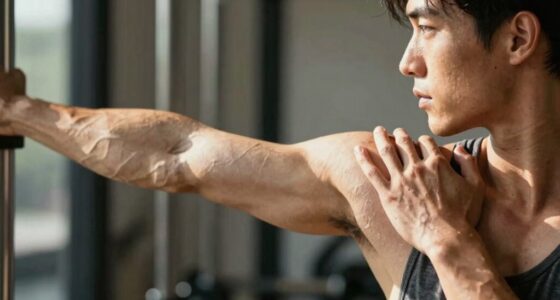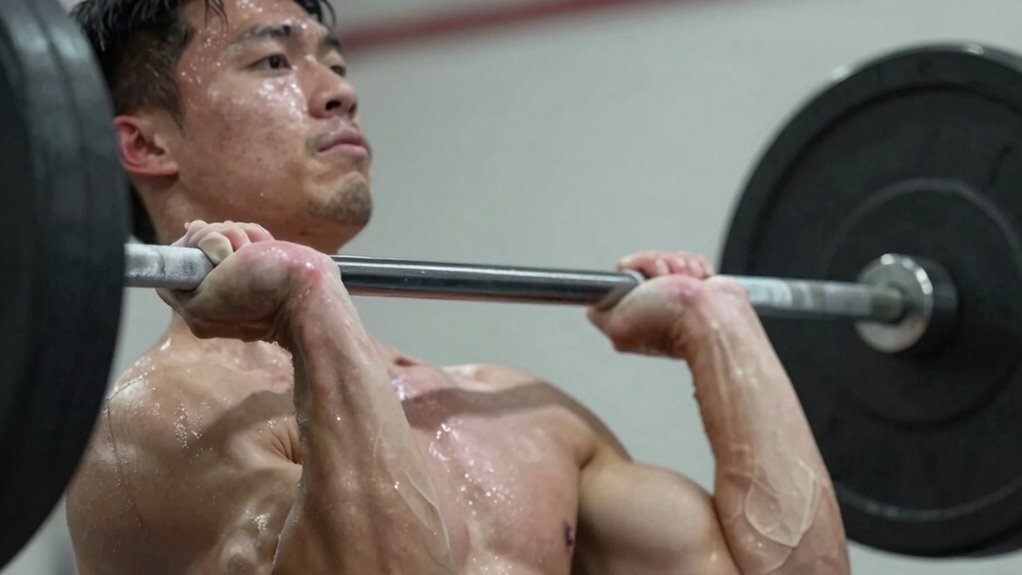

You’ll notice your technique needs attention more than weight when you experience discomfort or pain during lifts, especially in your lower back or joints. Unnatural movements, hips or shoulders twisting, or shifting your body in ways that don’t match proper form are signs you’re compensating or risking injury. Regularly reviewing your form and working with a trainer helps catch these issues early. Keep going, and you’ll discover how to identify and correct these technique issues effectively.

Get workout gear delivered free — and shop member deals
- Fast, free delivery on millions of items
- Access to Prime Big Deal Days deals on October 6–7
- Prime Video, Amazon Music and more included
Key Takeaways
- You experience discomfort or pain during lifts, indicating possible form issues needing correction before increasing weight.
- Notice body compensation patterns, such as twisting hips or shoulders, which signal improper technique.
- Visual feedback or trainer assessments reveal deviations from proper form, suggesting focus on technique first.
- Persistent effort to lift heavier weights without proper form increases injury risk and long-term damage.
- Correcting technique improves efficiency and strength gains, making heavier lifting safer and more effective.
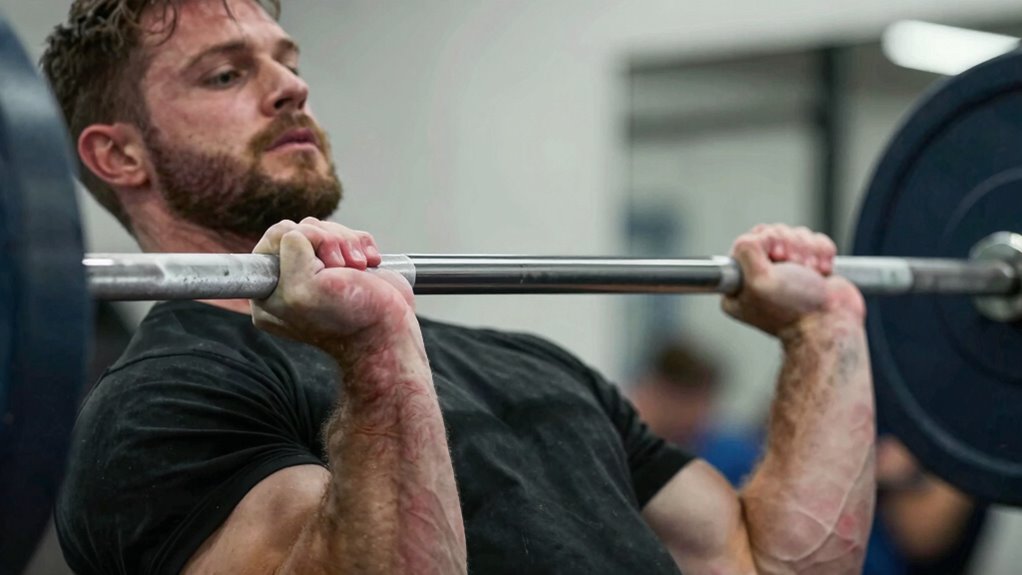
When you’re focused on lifting heavier weights, it’s easy to overlook the importance of proper technique. The temptation to push your limits can lead you to prioritize adding more plates over ensuring your form stays correct. But neglecting form correction can backfire, increasing your risk of injury and hindering long-term progress. Recognizing when your technique needs attention is essential; it’s often more important than simply increasing the weight on the bar.
One clear sign that your technique needs adjustment is if you notice any discomfort or pain during a lift. Pain isn’t normal, and it usually indicates that something’s off—your body is warning you that your form might be compromised. For instance, if you feel strain in your lower back during squats or deadlifts, it’s a sign that your technique may be incorrect. Addressing these issues early through form correction helps prevent injuries, which could sideline your training entirely. Proper form isn’t just about safety; it’s also about efficiency. When your technique is correct, you engage the right muscles, making each lift more effective and helping you build strength steadily.
Discomfort or pain during lifts signals technique issues; correcting form prevents injury and improves strength efficiency.
Another indicator that your technique needs work is if you find yourself compensating with other parts of your body. For example, if your hips or shoulders start to twist or shift during a lift, it’s a sign that your movement pattern isn’t ideal. These compensations can lead to imbalances and increase injury risk over time. Regularly checking your form—either by recording yourself or working with a trainer—can help you spot these issues early. Remember, it’s better to lift lighter with perfect form than to lift heavy with sloppy technique, which can cause long-term damage. Incorporating form correction techniques and paying attention to body mechanics are essential for safe lifting. Additionally, understanding the importance of form correction in training can motivate you to prioritize technique over sheer weight.
lifting technique correction tools
As an affiliate, we earn on qualifying purchases.
As an affiliate, we earn on qualifying purchases.
Frequently Asked Questions
Can Poor Technique Still Lead to Progress?
Poor technique can still lead to progress temporarily, but it often risks injury and hinders long-term gains. When your form isn’t correct, you miss out on ideal muscle engagement, making progress less efficient. Focusing on form correction helps you lift safer, prevents injuries, and guarantees you target the right muscles. Prioritizing technique over heavier weights ultimately leads to better results and a healthier, more sustainable workout routine.
How Often Should I Reassess My Technique?
You should reassess your technique regularly, ideally every few weeks, to guarantee proper form correction and prevent injury. Pay attention to coaching feedback during workouts, and don’t hesitate to seek a professional assessment if you notice persistent issues. Consistent form checks help you identify small errors early, allowing for timely adjustments. This proactive approach keeps your technique sharp, enhances performance, and reduces the risk of developing bad habits over time.
What Signs Indicate a Technique Is Causing Injury?
Think of your body as a finely-tuned musical instrument—if you notice unusual squeaks, persistent tension, or sharp pains during practice, your technique might be causing injury. These signs signal it’s time for form correction to prevent further harm. Ignoring these cues can lead to overuse injuries, so listen carefully. Prioritizing proper technique guarantees injury prevention and keeps your performance harmonious and sustainable over time.
Should Technique Be Prioritized Over Weight at All Times?
No, technique shouldn’t always be prioritized over weight. You should focus on form correction and equipment adjustment when technique starts to break down or you’re risking injury. Sometimes, reducing weight temporarily helps you refine your form before progressing. Remember, proper technique guarantees long-term strength gains and safety. Prioritize quality over quantity; if your form suffers, address it first before increasing weight to prevent setbacks and injuries.
How Do I Improve Technique Without Losing Strength?
Did you know that focusing on proper form can increase muscle engagement by up to 30%? To improve technique without losing strength, prioritize proper form during each rep. Use lighter weights to master the movement, ensuring your muscles engage correctly. Gradually increase weight as your technique becomes solid. This approach boosts strength safely and prevents injury, helping you build power while maintaining excellent form.
form feedback mirror for weightlifting
As an affiliate, we earn on qualifying purchases.
As an affiliate, we earn on qualifying purchases.
Conclusion
Remember, mastering your technique is like tending to a fine tapestry—each stitch matters more than the weight of the fabric. If you find yourself sacrificing form or feeling unusual discomfort, it’s time to pause and reassess. Don’t be a Don Quixote chasing after heavier loads without care. Focus on your form first; the weight will follow, just like the knight’s true strength came from his unwavering skill, not just his armor.
personal trainer form assessment
As an affiliate, we earn on qualifying purchases.
As an affiliate, we earn on qualifying purchases.
weightlifting form coaching videos
As an affiliate, we earn on qualifying purchases.
As an affiliate, we earn on qualifying purchases.
Halloween Picks
halloween
As an affiliate, we earn on qualifying purchases.