
TL;DR

Get workout gear delivered free — and shop member deals
- Fast, free delivery on millions of items
- Access to Prime Big Deal Days deals on October 6–7
- Prime Video, Amazon Music and more included
A blog post recommends raising the legs of an unconscious person as a way to help circulation, but it offers no cited evidence for its claims that the maneuver can restore a heartbeat or substitute for CPR. The post also says leg elevation can do no harm; that assurance is unsupported by the material provided. In a suspected cardiac arrest, call emergency services and follow dispatcher instructions rather than relying on leg elevation.
A post published by bookofjoe2.blogspot.com in October 2026 recommends lifting the legs of a person who has collapsed, presenting the action as a way for someone without CPR training to help. The post claims the maneuver increases blood returning to the heart and lungs, but it provides no cited clinical evidence that leg elevation can restore a heartbeat or replace CPR or emergency medical care.
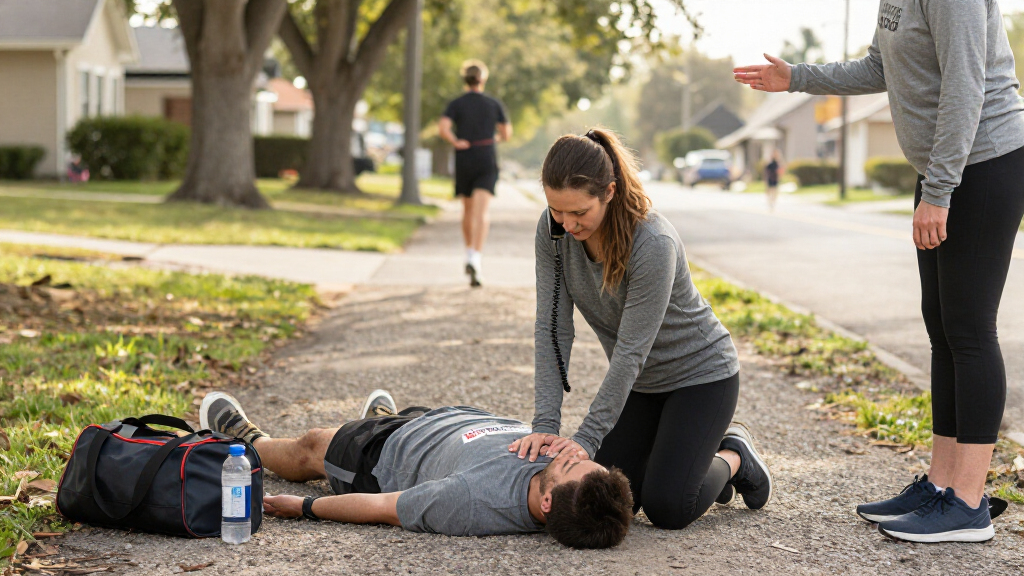
The post says a bystander should bend down, lift the person’s feet and hold the legs around waist height. It describes this as a simple action for someone who feels unable or afraid to perform CPR. The article says the technique boosts blood return from the limbs to the body’s central circulation, including the heart and lungs.
It makes stronger claims as well: that raising the legs is equivalent to a transfusion of two units of blood, or 40% of an average adult’s circulating blood volume, and that it makes CPR more effective. The source gives no research citation, clinical guideline, patient details or measurement method to support those comparisons. Its author also asserts that the maneuver cannot cause harm, without providing evidence or qualifications.
The post says its author gives the instruction first when arriving at a “Code Blue” scene, but does not identify the author’s medical role or provide further details about the circumstances. The account therefore cannot establish that the practice is recommended by emergency-care professionals or appropriate for every person who collapses.
Why CPR Guidance Matters
Advice about what to do when someone collapses can shape decisions in a time-sensitive emergency. A reader who interprets leg elevation as a substitute for CPR or emergency services could delay getting help. The post’s suggestion is especially consequential because it is framed for people who do not know CPR and says the maneuver can help someone survive.
The distinction between an easy action and an established emergency response matters. This source does not demonstrate that raising a person’s legs can restart a stopped heart, nor does it establish that it improves CPR outcomes. People encountering a suspected cardiac arrest should contact local emergency services promptly and follow the dispatcher’s instructions; the blog post alone is not a sound basis for changing emergency response.
As an affiliate, we earn on qualifying purchases.
What the Blog Post Says
The original item is titled “How to save a life without knowing CPR” and appeared on the bookofjoe2.blogspot.com site in October 2026. It contrasts the value of CPR with its assertion that few people know or perform it, then offers leg elevation as a simple alternative or aid. The source supplies no data for its statements about how many bystanders know CPR or act during emergencies.
The post also links the maneuver to circulation and describes the blood-volume comparison in emphatic terms. But it does not cite a study, name a medical organization, or point to an emergency-care guideline. Its account of the author’s practice at Code Blue scenes is presented without a verifiable professional biography or independent corroboration. Those gaps limit what readers can conclude from the post.
““Bend down, pick up their feet, and hold their legs in the air waist-high.””
— bookofjoe2.blogspot.com post
automated external defibrillator AED
As an affiliate, we earn on qualifying purchases.
As an affiliate, we earn on qualifying purchases.
Evidence Behind the Advice
The source does not identify the medical evidence behind its claims about blood returning to the heart, the comparison with a two-unit transfusion, or improved CPR effectiveness. It also does not explain whether the advice applies to suspected cardiac arrest, fainting or other causes of collapse. The post’s statement that the technique cannot cause harm is not supported by details about patient condition or clinical assessment.
It is also unclear who wrote the post, what qualifications that person has, and whether the described Code Blue practice has been reviewed by a medical authority. No response from emergency-care organizations or independent specialists is included in the supplied source material. Until those points are checked against reliable clinical guidance, the post should be treated as an unverified recommendation, not a proven lifesaving method.
As an affiliate, we earn on qualifying purchases.
Use Emergency Services First
The immediate practical step in a suspected life-threatening collapse is to contact local emergency services and follow the dispatcher’s directions. If the person is unresponsive or not breathing normally, tell the dispatcher what you see and ask what to do. Do not delay a call or recommended emergency response to try an unverified technique from a blog post.
Readers seeking CPR instruction can look for training and guidance from recognized emergency-care or public-health organizations in their area. Any future assessment of this blog’s specific claims would need to compare them with clinical evidence and current professional guidelines. The source material provides no such assessment, and it does not report any update or formal review.
As an affiliate, we earn on qualifying purchases.
Key Questions
Does raising someone’s legs replace CPR?
The supplied blog post does not provide evidence that leg elevation can replace CPR or emergency medical care. Call emergency services and follow the dispatcher’s instructions in a suspected cardiac arrest.
What does the blog post claim about leg elevation?
It claims that holding a collapsed person’s legs around waist height increases blood return to the heart and lungs, equates to a two-unit blood transfusion, and improves CPR effectiveness. The post provides no citations or clinical evidence for those claims.
Does the source show that raising the legs is harmless?
No. The post says the action cannot cause harm, but the supplied material does not substantiate that assurance or discuss different causes of collapse and patient circumstances.
What should a bystander do if someone collapses?
Contact local emergency services promptly, describe the person’s condition and follow the dispatcher’s directions. Do not rely on the blog post’s leg-elevation advice instead of emergency guidance.
Source: hn
Halloween Picks
halloween
As an affiliate, we earn on qualifying purchases.