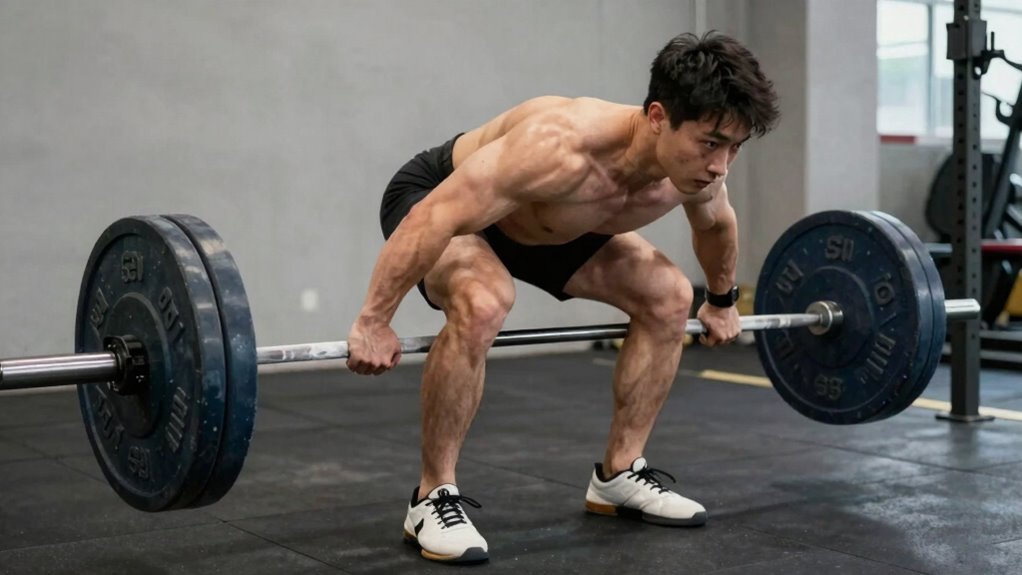

One common deadlift setup mistake is wearing improper footwear, which can compromise your stability. Make sure your shoes have flat soles or use deadlift slippers for better grip. Another error is incorrect hip height, which can strain your back; set your hips at the right level to optimize leverage. Poor foot positioning and breathing technique also weaken your lift and safety. Correcting these issues can greatly improve your form and results—keep going to get the full picture.

Get workout gear delivered free — and shop member deals
- Fast, free delivery on millions of items
- Access to Prime Big Deal Days deals on October 6–7
- Prime Video, Amazon Music and more included
Key Takeaways
- Ensure proper foot placement with hips at the correct height and toes slightly pointed outward for balanced force transfer.
- Avoid using improper footwear like flat-soled shoes or slippers that compromise stability.
- Maintain a consistent, controlled breathing pattern, avoiding breath-holding or premature exhalation during lifts.
- Set your hips at the right height to optimize leverage and reduce strain on the lower back.
- Choose and correctly position equipment, such as belts and bar thickness, to support proper form and core engagement.
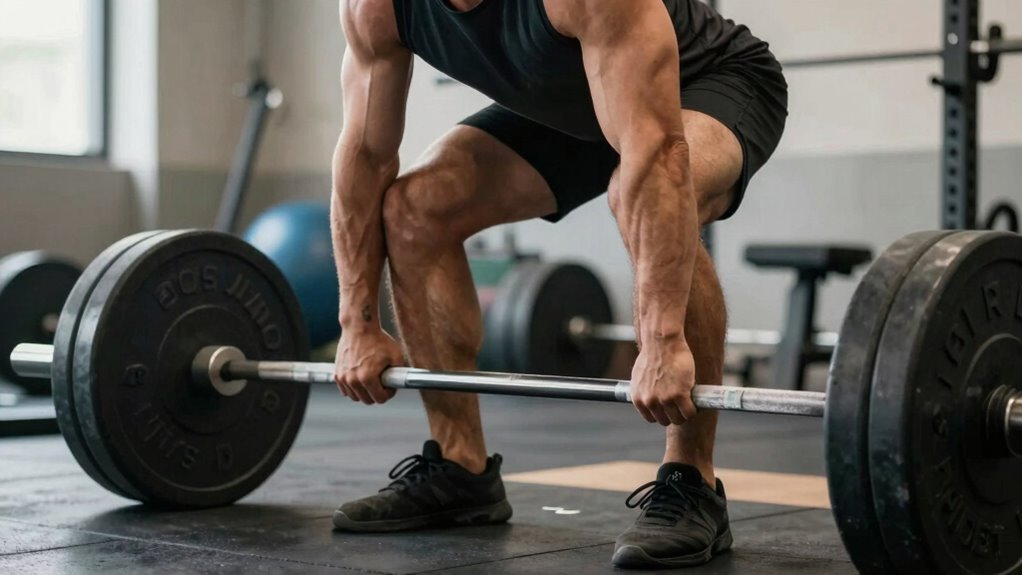
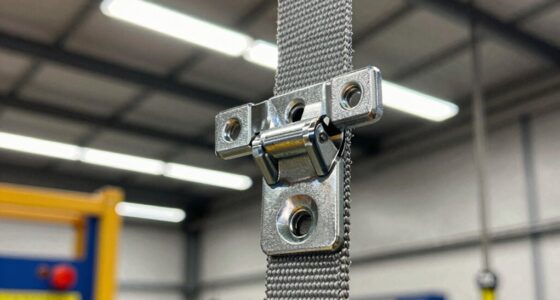
The deadlift is a powerful exercise, but many lifters unknowingly make setup errors that can compromise performance and increase injury risk. One common mistake involves equipment choices. If you’re not using the right gear, you might struggle to maintain proper form or risk injury. For example, choosing the wrong footwear can affect your stability—flat-soled shoes or specialized deadlift slippers are usually best because they help keep you grounded. Additionally, using a lifting belt properly can provide core support, especially during heavier lifts, but relying on it too early or improperly can hinder your natural core engagement. Similarly, using a barbell that’s too thick or too thin can impact your grip and overall control, so selecting an appropriate bar that fits your hand size and strength level is essential.
Proper equipment and setup are key to safe, effective deadlifts and peak performance.
Breathing techniques are another critical aspect often overlooked during setup. Proper breathing not only boosts your performance but also stabilizes your spine during the lift. Before you pull, take a deep breath into your belly—this is known as bracing—filling your abdomen with air to create intra-abdominal pressure. When you do this, your core becomes tight, providing a more solid foundation for the lift. As you begin the pull, avoid holding your breath too long or exhaling prematurely, which can cause your torso to lose stability. Instead, focus on maintaining a steady, controlled breath throughout the movement, exhaling slowly at the top or as you complete the lift. This breathing rhythm helps you generate maximum power and minimizes the risk of injury from sudden core instability. Additionally, understanding how equipment choices and proper breathing techniques interact can significantly improve your deadlift setup and overall safety. Incorporating consistent setup cues**** into your routine can further enhance your lifting efficiency and confidence.
Many lifters also neglect proper setup cues that are tied to these factors. For instance, failing to set your feet correctly can lead to imbalance or inefficient force transfer. Your feet should be positioned approximately hip-width apart, with your toes slightly pointed outward, aligning with your knees and hips. Grip placement on the bar matters too—whether you choose double overhand, mixed grip, or hook grip—each affects how securely you hold the bar and engage your lats. Once you’ve set your equipment and chosen the right breathing technique, ensure your hips are at the right height—too high or too low can compromise your leverage and increase strain on your back.
In the end, paying close attention to equipment choices and breathing techniques during your deadlift setup can dramatically improve your form, power, and safety. Take the time to get these details right before every lift, and you’ll see better results while reducing your injury risk.
Frequently Asked Questions
How Do I Identify My Correct Deadlift Stance Width?
To identify your correct deadlift stance width, start by standing with your feet hip-width apart and grip the bar. Your stance width should feel natural and comfortable, allowing proper foot positioning and balance. Slightly wider or narrower than hip-width might work better for some. Focus on keeping your feet pointed slightly outward, aligning your shins and knees. Adjust until you find a stance that maximizes stability and power during the lift.
What Are Signs of Improper Bar Path During Setup?
If your bar path deviates during setup, it’s a sign of improper setup errors. You might notice the bar drifting away from your body or moving unevenly as you lift. This can cause instability and reduce lift efficiency. To fix this, make certain your feet are properly aligned, your grip is balanced, and your shoulders are over the bar. Maintaining a straight, consistent bar path keeps your lift safe and effective.
How Can I Improve Grip Strength for Deadlifts?
To improve grip strength for deadlifts, focus on building grip endurance through exercises like farmer’s carries and static holds. Pay attention to hand positioning—use a mixed grip or hook grip to enhance security. Incorporate grip-specific workouts into your routine and gradually increase the weight to challenge your grip. Consistent practice strengthens your hands and forearms, making your grip more reliable during heavy lifts.
Should I Use Lifting Straps or Chalk for Better Grip?
They say “practice makes perfect,” and that’s true for grip endurance too. Use chalk benefits to improve your grip without relying solely on lifting straps, which can weaken your grip over time. Chalk helps you maintain a secure hold, especially when lifting heavier weights. Lifting straps are useful for added support, but chalk allows your grip to develop naturally, making your deadlift stronger and more reliable in the long run.
How Does Breathing Technique Affect Deadlift Setup?
Your breathing technique directly impacts your deadlift setup by enhancing core stability. When you take a deep breath and brace your core before lifting, you create intra-abdominal pressure that supports your spine and maintains proper posture. This stability helps prevent injuries and improves lift efficiency. Focus on inhaling deeply, bracing your core, and holding your breath briefly during the lift to maximize strength and control throughout the movement.
Conclusion
Mastering your deadlift setup isn’t just about avoiding mistakes; it’s about revealing your true strength. When you fix your form, you gain confidence and power, turning hesitation into control. Mistakes can hold you back, but precision propels you forward. Keep refining your technique, and you’ll find that what once seemed intimidating becomes second nature. Proper setup isn’t just a detail—it’s the foundation that transforms effort into results, lifting your performance to new heights.
Fall Picks
fall essentials
As an affiliate, we earn on qualifying purchases.