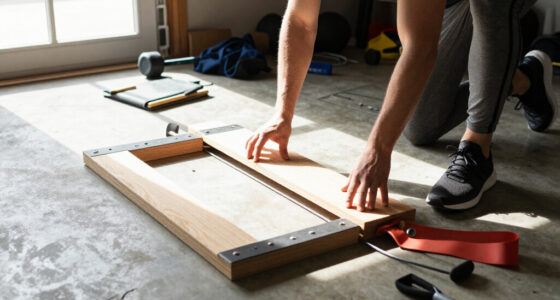

To bounce back after a fitness setback or injury, start by evaluating your condition and seeking professional guidance to prevent further damage. Create a gradual, personalized plan focused on gentle recovery, proper nutrition, and rest. Adjust your mindset by setting realistic goals and celebrating small wins. Stay motivated by tracking progress and reinforcing positive habits. If you keep these tips in mind, you’ll find it easier to return stronger—continue to explore how to optimize your comeback.

Get workout gear delivered free — and shop member deals
- Fast, free delivery on millions of items
- Access to Prime Big Deal Days deals on October 6–7
- Prime Video, Amazon Music and more included
Key Takeaways
- Seek professional assessment to accurately diagnose injury and guide tailored recovery plans.
- Prioritize rest, proper nutrition, and hydration to support tissue repair and overall healing.
- Gradually reintroduce activity, focusing on quality, technique, and listening to your body’s signals.
- Maintain a positive mindset, set realistic goals, and celebrate small victories to stay motivated.
- Create a supportive environment with organization and mental resilience practices to reinforce consistent progress.
As an affiliate, we earn on qualifying purchases.
Assessing Your Injury or Setback and Seeking Professional Guidance

When you experience a fitness setback or injury, it’s essential to assess the situation carefully before jumping back into your routine. Start by recognizing the signs and understanding the importance of an accurate injury diagnosis. Avoid guessing or ignoring pain, as this can worsen your condition. Instead, seek professional consultation from a healthcare provider or a sports medicine specialist. They can evaluate your injury thoroughly, identify the root cause, and recommend appropriate treatment. Proper assessment helps prevent further damage and ensures you’re taking the right steps toward recovery. Remember, rushing back too soon can prolong your setback. Prioritize expert advice and a clear understanding of your injury to set a solid foundation for a safe and effective comeback. Additionally, understanding injury prevention strategies can help minimize the risk of future setbacks.
As an affiliate, we earn on qualifying purchases.
Creating a Gradual and Personalized Rebuilding Plan

To effectively recover from a setback, you need to develop a gradual and personalized rebuilding plan that matches your specific injury and fitness level. Start by listening to your body and incorporating gentle stretching routines to improve flexibility without causing strain. Pay attention to ergonomic adjustments in your workspace or workout setup to prevent further injuries and promote proper posture. Create a schedule that gradually increases intensity, focusing on quality over quantity. Track your progress to stay motivated and adjust as needed. Remember, patience is key—rushing can hinder recovery. Consulting with a professional can help tailor your plan, ensuring it’s suitable for your unique needs. Additionally, checking the operating hours of local fitness centers or support services can help you plan your recovery schedule effectively. This personalized approach will set a strong foundation for a safe, sustainable comeback.
As an affiliate, we earn on qualifying purchases.
Incorporating Rest, Recovery, and Proper Nutrition

Incorporating adequate rest, recovery, and proper nutrition is crucial for your body to heal and regain strength after a setback. Effective nutrition strategies support tissue repair and replenish energy stores, so focus on balanced meals rich in protein, healthy fats, and complex carbs. Prioritize rest and recovery by allowing your muscles time to repair and adapt, preventing further injury. Avoid rushing back into intense activity; instead, listen to your body’s signals and give yourself enough downtime. Hydration also plays a key role in recovery, helping to reduce inflammation and flush out toxins. Additionally, utilizing sleep hygiene practices can enhance overall recovery by improving sleep quality and supporting healing processes. Incorporating top mattress toppers can improve sleep comfort, aiding your recovery process. Understanding how gold IRA investments work can also provide peace of mind during your recovery, as diversifying your assets can offer financial stability. Paying attention to injury prevention strategies can help you avoid future setbacks and build resilience. Building a strong foundation for recovery also involves understanding muscle adaptation, which helps your body respond effectively to gradual increases in activity. Combining these elements ensures your body can rebuild stronger, reducing the risk of setbacks and setting a solid foundation for your comeback. Remember, patience and consistency are essential in this process.
As an affiliate, we earn on qualifying purchases.
Adjusting Your Mindset and Setting Realistic Goals

To move forward, you need to embrace patience and persistence, understanding progress takes time. Redefining your success metrics helps keep motivation high and realistic. By cultivating positive self-talk, you can build confidence and stay focused on your goals. Additionally, recognizing the importance of setting realistic expectations ensures your recovery process remains sustainable and less frustrating. Incorporating effective recovery strategies can also optimize your healing process and prevent setbacks. Moreover, being aware of relationship warning signs can help you seek support or make adjustments if you notice emotional distances or negative patterns developing during your recovery journey. Paying attention to the role of environment can further support your mental resilience and overall recovery. Staying informed about legislative changes related to personal debt forgiveness bills can provide additional financial relief options that support your overall wellbeing.
Embrace Patience and Persistence
When recovering from a fitness setback, embracing patience and persistence becomes essential. You’ll need mindset shifts to stay positive and emotional resilience to handle setbacks without losing momentum. Remember, progress may be slow, but consistency is key, and celebrating small victories can boost your motivation. Staying patient helps you avoid frustration, while persistence ensures you keep moving forward despite challenges. Focus on the long-term vision rather than quick fixes. Developing a growth mindset can facilitate a more positive outlook and foster continuous improvement during recovery. Recognizing the importance of homeostasis in your recovery process can help you maintain balance and prevent burnout. Incorporating diversification strategies from your overall approach to investments can help you adapt to different recovery phases and avoid overexertion. Cultivating resilience by viewing setbacks as opportunities for learning can strengthen your mental toughness. Remind yourself that setbacks are part of the journey, not the end. By maintaining a steady mindset and trusting the process, you’ll rebuild strength and confidence over time. Keep in mind that resilience and patience are your best tools for bouncing back stronger than ever.
Redefine Success Metrics
Adjusting your success metrics is essential after a setback because it helps reset expectations and keeps you motivated. When you redefine what success means, you build mental resilience by focusing on progress rather than perfection. Instead of solely aiming for previous performance levels, celebrate small victories and improvements aligned with your current condition. Community support plays a significant role here, offering encouragement and accountability as you adjust your goals. Recognizing that setbacks are part of the journey allows you to stay committed and reduces frustration. By setting realistic, achievable targets, you reinforce a positive mindset and foster resilience. Understanding the importance of Pimple Patch technology and its targeted effects can serve as a reminder that small, consistent efforts lead to healing and progress. Incorporating wall organization solutions into your space can also help create a calming environment that supports your mental and physical recovery. Additionally, exploring merchant services options that are tailored to your needs can provide helpful tools for managing your goals and tracking progress. This shift in perspective ensures you stay motivated, moving forward steadily while honoring your body’s healing process.
Cultivate Positive Self-Talk
Cultivating positive self-talk is a powerful way to shift your mindset and set realistic goals after a setback. By using positive affirmations, you reinforce your ability to recover and grow stronger. This practice boosts your mental resilience, helping you stay motivated even when progress feels slow. Focus on phrases like “I am capable of overcoming this” or “Every day, I get closer to my goals.” Be mindful of your inner dialogue, replacing self-doubt with encouragement. Surround yourself with supportive thoughts that remind you of your strength. Incorporate these habits daily to rebuild confidence and maintain focus on your recovery journey. Remember, your mindset shapes your progress—choose words that empower you to bounce back better than before. Additionally, integrating principles of mindful decluttering can help you create a more organized environment that supports your mental well-being during recovery. Recognizing the importance of juice cleansing and detox principles, like proper nutrition and hydration, can also aid in optimizing your recovery process. Developing a growth mindset can further enhance your ability to see setbacks as opportunities for learning and improvement.
Reinforcing Motivation and Tracking Progress

Staying motivated after a setback can be challenging, but actively reinforcing your reasons for pursuing your fitness goals keeps you focused and energized. Mindset renewal is key—remind yourself of why you started and how far you’ve come. Celebrate your progress, no matter how small; this reinforces positive habits and boosts your confidence. Tracking your achievements provides tangible evidence of your efforts, helping you see your growth over time. Use journals, apps, or charts to monitor milestones, ensuring you stay aligned with your goals. Regularly revisiting your progress fuels motivation, making setbacks feel like opportunities rather than failures. By reinforcing your commitment through mindset renewal and progress celebration, you create a resilient foundation for continued success.
Preventing Future Setbacks Through Safe Practices

To prevent future setbacks, adopting safe exercise practices is vital. Start with a solid stretching routine to prepare your muscles and reduce injury risk. Make sure you wear proper footwear that supports your feet and suits your activity, which can prevent strains and misalignments. Listen to your body—don’t push through pain, and gradually increase your workout intensity. Incorporate rest days to allow recovery and avoid overtraining. Proper technique is essential; consider consulting a trainer to ensure you’re performing exercises correctly. Staying consistent with these habits helps you build strength safely and reduces the chance of setbacks down the line. Remember, safety is key to maintaining progress and enjoying your fitness journey long-term.
Frequently Asked Questions
How Long Does Complete Recovery Typically Take After a Major Injury?
Recovery duration after a major injury varies, but it typically takes several months to a year for complete healing. Your rehabilitation timeline depends on the injury’s severity, your age, and overall health. During this period, you’ll follow a structured rehabilitation plan, gradually regaining strength and mobility. Patience and consistency are key; listen to your healthcare provider’s guidance to guarantee a safe and effective recovery journey.
Can Alternative Therapies Speed up My Recovery Process?
Yes, alternative therapies like acupuncture therapy and herbal remedies can help accelerate your recovery process. Acupuncture may reduce pain and inflammation, promoting quicker healing, while herbal remedies can support your immune system and tissue repair. Be sure to consult with your healthcare provider before starting these therapies to ensure they’re appropriate for your specific injury. Combining traditional treatments with alternative options might give you a more effective and faster recovery.
Should I Consider Psychological Support During Injury Recovery?
Yes, you should consider psychological support during injury recovery. Focusing on your mental health helps build emotional resilience, making it easier to cope with setbacks. Talking to a counselor or therapist can provide strategies to manage frustration, anxiety, or depression that often accompany injuries. Strengthening your mental health supports your overall recovery process, ensuring you stay motivated and positive as you work towards regaining your strength and fitness.
How Do I Balance Pushing Myself and Avoiding Re-Injury?
You should listen to your body, balancing mental resilience with injury prevention. Push yourself gradually, recognizing your limits to avoid re-injury. Focus on consistent, controlled progress rather than pushing too hard too soon. Incorporate rest days and proper technique, and stay aware of warning signs. By maintaining this balance, you strengthen your resilience while safeguarding against setbacks, ensuring a safe, effective recovery and long-term fitness success.
What Signs Indicate I Am Ready to Return to Full Activity?
You’re ready to return to full activity when your muscle strength feels restored and you can perform exercises without pain or discomfort. Make certain you’ve incorporated flexibility training to regain range of motion and prevent future injuries. Pay attention to how your body responds during light activity, and if you experience no swelling or soreness, it’s a good sign you’re prepared to progress. Always consult with a healthcare professional for personalized guidance.
Conclusion
Remember, setbacks are part of your fitness journey. For instance, if you sprain your ankle, focus on proper rehab and patience. By following a personalized plan, staying positive, and listening to your body, you’ll bounce back stronger. Keep tracking your progress and adjusting your routines. With perseverance, you’ll not only recover but also reach new heights. Every challenge you overcome builds resilience—making your comeback even more rewarding.
Fall Picks
fall essentials
As an affiliate, we earn on qualifying purchases.