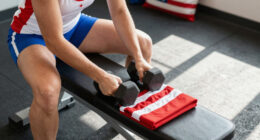

To avoid common gym injuries during lifting and cardio, start with a proper warm-up to increase blood flow and prepare your muscles. Focus on correct technique, controlling your movements, and engaging your core to prevent strain. Listen to your body, stop if you feel pain, and avoid pushing through discomfort. Use supportive gear and stay hydrated for ideal recovery. Keep safety in mind to work out effectively — discover more key strategies ahead.

Get workout gear delivered free — and shop member deals
- Fast, free delivery on millions of items
- Access to Prime Big Deal Days deals on October 6–7
- Prime Video, Amazon Music and more included
Key Takeaways
- Warm up thoroughly with light cardio and dynamic stretches before lifting or cardio sessions.
- Maintain proper technique and controlled movements to prevent strain and injury.
- Listen to your body and stop immediately if you experience pain or discomfort.
- Use correct equipment and gear, such as supportive shoes and proper lifting belts.
- Stay hydrated and allow adequate recovery time to promote muscle healing and prevent overtraining injuries.

Going to the gym can be a great way to improve your fitness, but it’s vital to prioritize safety to prevent injuries. One of the most effective ways to do this is by starting each session with a proper warm-up. A proper warm-up increases blood flow to your muscles, raises your core temperature, and prepares your body for the workout ahead. Skipping this step can lead to strains, pulls, or worse injuries. Spend at least 5-10 minutes doing light cardio, such as brisk walking or cycling, followed by dynamic stretches that mimic the movements you’ll perform during your workout. This prep helps loosen stiff muscles and joints, making them more resilient to strain.
A proper warm-up prepares your muscles and joints, reducing injury risk and enhancing workout effectiveness.
Equally important is maintaining correct technique throughout your exercises. Using improper form not only diminishes the effectiveness of your workout but also puts you at a higher risk of injury. When lifting weights, focus on controlled movements rather than rushing through repetitions. Keep your core engaged, and avoid using momentum to lift or lower weights. If you’re unsure about your form, don’t hesitate to ask a trainer for guidance or use mirrors to monitor your posture. For cardio exercises, such as running or cycling, pay attention to your posture and alignment to prevent overuse injuries like stress fractures or joint pain. Proper technique ensures that the load is distributed evenly across your muscles and joints, reducing unnecessary strain. Additionally, understanding the importance of muscle recovery can help you prevent injuries caused by overtraining and ensure consistent progress.
Listening to your body is vital. If you experience pain or discomfort during an exercise, stop immediately. Pushing through pain can lead to serious injuries, especially if your form deteriorates under fatigue. Rest and recover when needed, and don’t sacrifice proper technique just to complete more repetitions or spend extra time on the machine. Incorporate periods of rest into your workout to allow your muscles to recover and prevent overtraining injuries.
Hydration and appropriate gear also contribute to injury prevention. Wearing supportive shoes and using correct equipment can make a significant difference. For example, using a weightlifting belt when performing heavy lifts can provide extra stability. Staying hydrated helps keep your muscles functioning at their best and reduces cramping risks.
supportive running shoes for gym
As an affiliate, we earn on qualifying purchases.
As an affiliate, we earn on qualifying purchases.
Frequently Asked Questions
How Can I Prevent Dehydration During Workouts?
To prevent dehydration during workouts, stay consistent with hydration strategies by drinking water before, during, and after exercise. Incorporate electrolyte balance by consuming drinks containing electrolytes, especially during intense or long sessions. Listen to your body for signs of dehydration, like dry mouth or dizziness, and adjust your fluid intake accordingly. Proper hydration helps maintain performance and reduces the risk of cramps, ensuring you stay safe and energized through your workout.
What Should I Do if I Experience Sharp Pain?
If you experience sharp pain, don’t ignore it—stop immediately. This could be a muscle strain or joint sprain that needs attention. Pushing through might worsen the injury, leading to longer recovery or permanent damage. Apply ice to reduce swelling, rest, and avoid putting weight on the area. If pain persists or worsens, seek professional medical help. Trust your body; it knows when something’s wrong.
Are There Specific Warm-Up Routines for Beginners?
Yes, as a beginner, you should start with dynamic stretching to prepare your muscles and increase blood flow. Incorporate foam rolling to loosen tight muscles and improve flexibility before your workout. These routines help prevent injuries and enhance performance. Spend about 5-10 minutes on dynamic stretches like leg swings or arm circles, then use foam rolling on major muscle groups to guarantee your body is ready for exercise.
How Often Should I Rest Between Intense Sessions?
Ever wonder how often you should rest between intense sessions? You should take at least 48 hours of recovery time between high-intensity workouts targeting the same muscle groups. This rest period allows your muscles to repair and reduces injury risk. Listen to your body—if you feel sore or fatigued, extend your recovery time. Proper rest periods optimize performance and help prevent overuse injuries, keeping you healthier and stronger.
What Gear Is Essential for Injury Prevention?
You should prioritize proper footwear and supportive gear to prevent injuries. Invest in well-fitting, cushioned shoes tailored to your activity, whether running or lifting, to protect your joints and reduce strain. Additionally, use supportive gear like weight belts, wrist wraps, or knee sleeves during intense workouts. These tools provide stability, improve form, and help you avoid strains or sprains, ensuring you stay safe and injury-free during your gym sessions.
As an affiliate, we earn on qualifying purchases.
Conclusion
Staying safe at the gym keeps you sailing smoothly on your fitness journey. Remember, listening to your body is like having a trusted compass guiding you away from injury’s stormy waters. Prioritize proper form, warm up, and don’t push beyond your limits. By taking these precautions, you’ll turn your workouts into a steady, empowering wave rather than a crash. Keep safety at the forefront, and your fitness dreams will stay afloat and flourish.
As an affiliate, we earn on qualifying purchases.
As an affiliate, we earn on qualifying purchases.
Fall Picks
fall essentials
As an affiliate, we earn on qualifying purchases.