
If you want to build muscle size, focus on hypertrophy training by doing moderate reps (8–12), using moderate weights, and increasing volume. For strength gains, lift heavier weights with fewer reps (1–6) and longer rest periods to maximize force. Both approaches involve different techniques, recovery strategies, and progression plans. Understanding these key differences can help you tailor your workouts to reach your specific goals—keep exploring to learn more.
Key Takeaways
- Hypertrophy focuses on moderate reps (8–12) and volume to maximize muscle size, while strength training uses lower reps (1–6) with heavier loads to increase force.
- Hypertrophy emphasizes muscle fiber growth through moderate weights and higher volume; strength training prioritizes lifting heavier weights with longer rest periods.
- Recovery strategies differ: hypertrophy benefits from consistent nutrition and rest for muscle repair; strength training requires longer rest for nervous system recovery.
- Training goals guide focus: hypertrophy aims for muscle size, while strength training targets maximal force and lifting capacity.
- Proper technique and gradual progression are essential in both, but overload in hypertrophy emphasizes volume, whereas in strength, it emphasizes load.
Have you ever wondered whether to focus on building muscle size or increasing strength? The answer depends on your goals, but understanding the differences can help you tailor your training for better results. When training for hypertrophy, you’re aiming to maximize muscle growth by increasing the size of your muscle fibers. This process involves performing exercises with moderate to high reps—typically between 8 and 12—and moderate weights. Your muscles are subjected to enough stress to stimulate growth, but not so much that they become overly fatigued or prone to injury. An important aspect of hypertrophy training is developing muscle endurance, which allows you to perform more reps over time, leading to greater muscle size. To optimize this, recovery strategies play a vital role. Proper rest, nutrition, and hydration help your muscles repair and grow, making your workouts more effective. Incorporating rest days and ensuring adequate sleep are essential to prevent overtraining and burnout, which can hinder muscle endurance and recovery. Additionally, training volume is a key factor in stimulating hypertrophy, as it determines the total workload your muscles are exposed to during a session.
On the other hand, training for strength focuses on increasing your ability to lift heavier weights. This involves lifting heavier loads with lower reps—usually between 1 and 6—and longer rest periods between sets. Your muscles are driven to produce maximum force, and the nervous system adapts to recruit more muscle fibers for greater strength output. While hypertrophy training emphasizes volume, strength training emphasizes intensity. Because of the heavier loads, recovery strategies are just as critical here. Your body needs ample time to recover from the strain of lifting near-maximal weights, and this often involves longer rest periods and strategic deload weeks. Proper recovery helps prevent injury and ensures your nervous system remains responsive and capable of handling increases in weight. It’s also important to prioritize good technique and gradual progression to avoid overtraining, which can compromise both muscle endurance and strength gains.
Both training styles demand discipline and patience, but they serve different purposes. If your goal is to look more muscular and develop muscle endurance, hypertrophy training with a focus on recovery is your best bet. For raw strength and the ability to lift heavier, strength training with appropriate recovery strategies will serve you better. Remember, the key is aligning your workouts with your goals and listening to your body—incorporating proper recovery strategies guarantees you stay healthy and make steady progress toward your objectives.

ATIVAFIT Adjustable Dumbbell Set 88 LB Pair with Storage Box, 12-in-1 Quick Dial Free Weights with Safety Lock & Anti-Slip Steel Handle, Heavy Home Gym Equipment for Strength Training
Up to 88 LB Adjustable Dumbbell System:Engineered for advanced lifters with twelve weight levels from 11 to 88…
As an affiliate, we earn on qualifying purchases.
As an affiliate, we earn on qualifying purchases.
Frequently Asked Questions
Can You Train for Hypertrophy and Strength Simultaneously?
Yes, you can train for hypertrophy and strength simultaneously by balancing workout intensity and volume. Focus on different exercises, adjusting sets and reps to avoid muscle fatigue. Incorporate varied workout frequency, allowing muscles to recover while still challenging them. This approach helps you build muscle size and strength at the same time, but listen to your body to prevent overtraining and optimize progress.
How Does Nutrition Differ Between Hypertrophy and Strength Training?
Imagine you’re a knight preparing for battle—your nutrition differs for hypertrophy and strength. For hypertrophy, you focus on higher protein intake and balanced macronutrient ratios, eating more frequently to support muscle growth. For strength, you prioritize carbs for energy and slightly increased fats, optimizing meal timing around workouts for maximal power. You adapt your diet to fuel your goals, ensuring your body gets what it needs to succeed.
What Are the Best Exercises for Hypertrophy Versus Strength?
You should focus on exercises that maximize muscle activation and offer exercise variety. For hypertrophy, incorporate compound movements like squats and bench presses with moderate weights and higher reps. To build strength, prioritize heavy lifts like deadlifts and Olympic lifts with lower reps. Mixing in different exercise variations keeps your muscles challenged and promotes balanced growth, ensuring both hypertrophy and strength development over time.
How Long Does It Take to See Results in Each Training Style?
Seeing results in training is like watching a sunrise; it varies for everyone. For hypertrophy, you might notice muscle size increases within 6-8 weeks, while strength gains often appear in 4-6 weeks. Your training timeline and progress indicators depend on consistency, intensity, and recovery. Stay dedicated, and you’ll start noticing changes in your physique and strength—just give your body time to adapt and grow stronger.
Are There Age Considerations for Hypertrophy and Strength Training?
Age considerations play a vital role in hypertrophy and strength training. As you age, you might need to incorporate training modifications like lighter weights, longer rest periods, and focus on proper form to prevent injury. It is important to adapt your routine to your body’s changing needs, ensuring safe progress. Consulting with a fitness professional can help tailor your program, making hypertrophy and strength gains achievable at any age.
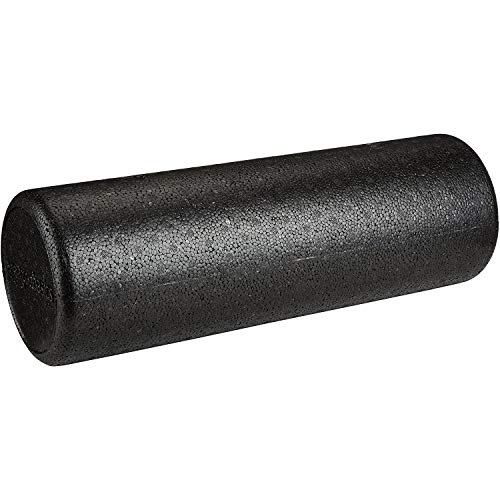
Amazon Basics High-Density Foam Roller for Exercise and Recovery, 18 Inches, Black
High-density foam roller in Black
As an affiliate, we earn on qualifying purchases.
As an affiliate, we earn on qualifying purchases.
Conclusion
Think of hypertrophy and strength training as two different roads to the same mountain peak. Hypertrophy is like sculpting a statue—focusing on size and detail—while strength is about building a solid foundation to support that sculpture. Depending on your goal, choose your path wisely. Whether you’re chiseling away or laying bricks, remember that progress comes with consistency. Keep moving forward, and you’ll reach your summit faster than you think.

ATERCEL Workout Gloves for Men and Women, Exercise Gloves for Weight Lifting, Cycling, Gym, Training, Breathable and Snug fit (Black, L)
Innovative Palm Design Maximizes Your Grip: We researched how hundreds of people use workout gloves to enhance our…
As an affiliate, we earn on qualifying purchases.
As an affiliate, we earn on qualifying purchases.

WHATAFIT Resistance Bands,Exercise Bands,Workout Bands with Handles,Door Anchor and Ankle Straps,5 Resistance Levels Fitness Bands,for Strength,Training, Physical Therapy, and Home Gym Equipment
5 Adjustable Resistance Levels for Versatile Training: This resistance bands set includes 5 color-coded bands with individual poundage…
As an affiliate, we earn on qualifying purchases.
As an affiliate, we earn on qualifying purchases.