To stay fit without straining your joints, choose low-impact workouts like walking, swimming, cycling, or yoga. These exercises protect your joints by reducing stress while boosting cardiovascular health, flexibility, and strength. Incorporate activities like chair exercises or water aerobics to add variety and accessibility. By focusing on controlled movements and proper form, you can maintain an effective fitness routine that’s gentle on your joints. Keep exploring to find the best options for your lifestyle.
Key Takeaways
- Engage in water-based workouts like swimming or water aerobics to reduce joint stress and improve cardiovascular health.
- Incorporate walking or power walking with proper technique to boost fitness while protecting joints.
- Practice low-impact activities such as cycling, stationary biking, yoga, or Pilates to enhance strength and flexibility safely.
- Use chair exercises and seated stretches to maintain mobility and muscle strength without joint strain.
- Focus on mindful movement and proper form to prevent injuries and support long-term joint health.
Benefits of Low-Impact Exercise
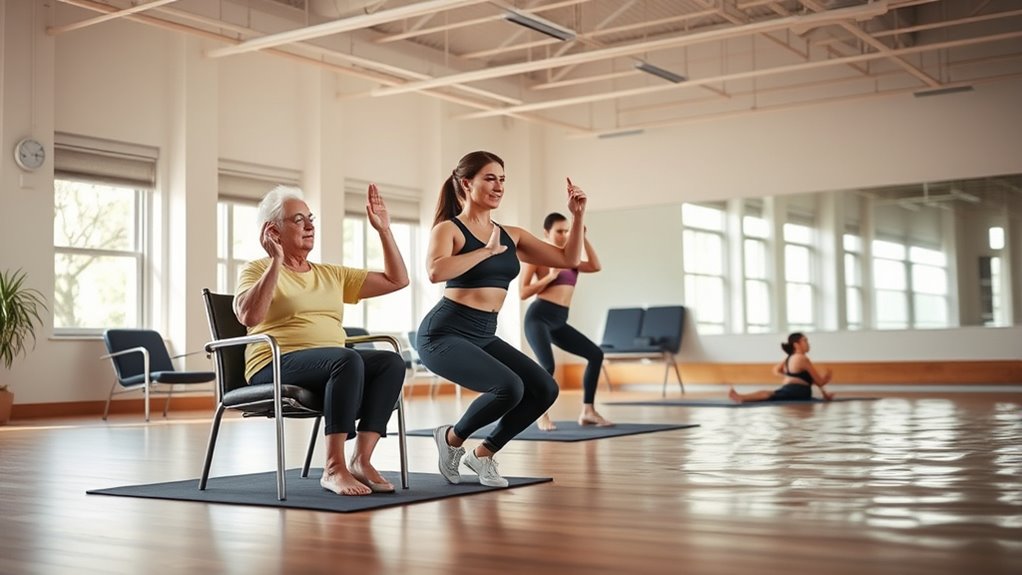
Low-impact exercise offers numerous benefits, making it an excellent choice for people of all fitness levels. One key advantage is joint preservation, as these activities reduce stress on your joints, helping prevent wear and tear over time. This makes low-impact workouts ideal if you’re recovering from an injury or aiming to avoid one altogether. By minimizing joint strain, you’re less likely to experience inflammation or pain, which supports long-term mobility. Additionally, low-impact exercises promote injury prevention, since they typically involve controlled movements that decrease the risk of falls or sudden strains. This safe approach allows you to build strength and endurance without risking setbacks. Incorporating mindful movement practices can further enhance the benefits of low-impact workouts, as they promote mindfulness and focus during exercise. Engaging in controlled movements also helps ensure proper form, further reducing the risk of injury. Moreover, integrating technology-assisted workouts, such as virtual coaching or wearable devices, can optimize your training and motivation. Utilizing professional guidance can help tailor exercises to your individual needs and abilities. Furthermore, many low-impact exercises can be adapted for various fitness levels, making them accessible and sustainable for everyone. Overall, choosing low-impact workouts helps you stay active and healthy while protecting your joints and reducing injury potential.
Walking and Power Walking

Walking and power walking are great low-impact exercises, but mastering proper technique helps you get the most benefits and avoid injury. Power walking boosts your cardiovascular health and burns more calories, making it an efficient workout. Remember to follow safety tips and listen to your body to keep your walking routine safe and effective.
Proper Walking Technique
To walk efficiently and reduce the risk of injury, paying attention to your technique is essential. Focus on your foot placement, landing softly on your heel and rolling through to push off with your toes. Keep your steps natural and avoid overstriding, which can strain your joints. Your arm swing should be relaxed and coordinated with your stride; swing your arms forward and back, not across your body, to help maintain balance and momentum. Keep your elbows bent at about 90 degrees and let your arms move freely without stiffening. Maintain an upright posture, with your head aligned over your shoulders. Proper walking technique not only enhances your workout but also minimizes stress on your joints, making your low-impact routine safer and more effective. Incorporating proper biomechanics practices can further improve your form and reduce injury risk during walks. Paying attention to your body alignment can help ensure you are engaging the right muscles and avoiding unnecessary strain. Additionally, focusing on joint stability can support your overall gait and prevent discomfort. Developing awareness of your walking form can lead to better movement efficiency and injury prevention over time.
Benefits of Power Walking
Ever wonder how you can maximize your fitness benefits while minimizing joint stress? Power walking offers an excellent way to do just that. It boosts your cardiovascular health without the high impact of running, reducing strain on your joints. By walking briskly with purposeful arm movements, you engage your muscles more effectively, enhancing overall endurance. This activity helps maintain joint health by promoting lubrication and flexibility without pounding your joints like high-impact exercises. Plus, power walking burns more calories in less time, making it a time-efficient workout. It’s accessible, low-cost, and easy to incorporate into your daily routine. Whether outdoors or on a treadmill, power walking provides a safe and effective way to strengthen your heart, improve joint health, and stay active without risking injury. Incorporating tuning options into your routine can further optimize your overall health and performance.
Safety Tips and Precautions
While power walking is a gentle, low-impact workout that benefits joint health and cardiovascular fitness, it’s important to prioritize safety to prevent injuries. Always wear proper footwear with good arch support and cushioning to protect your feet and joints. Stay aware of your surroundings to avoid obstacles or uneven surfaces that could cause falls. Hydration strategies are vital—drink water before, during, and after your walk to stay well-hydrated, especially in warm weather. Warm up with light stretching to prepare your muscles and cool down afterward to reduce stiffness. Incorporating appropriate footwear can significantly reduce the risk of joint strain and injury. Additionally, choosing safe walking routes with even terrain can minimize the likelihood of accidents. Monitoring your physical limits and listening to your body; if you experience pain or discomfort, slow down or rest. Being mindful of home environment hazards can further help prevent falls or accidents during outdoor exercise. Following these safety tips helps you enjoy the benefits of power walking without risking injury.
Swimming and Water Aerobics

Swimming and water aerobics offer gentle resistance that helps build strength without straining your joints. They provide effective, joint-friendly cardio options that keep your heart healthy and energized. Plus, these exercises improve flexibility and balance, supporting overall mobility.
Gentle Resistance Benefits
Have you noticed how water-based workouts provide gentle resistance that’s easy on your joints? The buoyancy of water allows you to move against resistance without putting stress on your body. Water’s natural pushback helps strengthen muscles with minimal impact. Additionally, incorporating tools like resistance bands in water can boost the workout’s effectiveness while maintaining gentle stretching movements. These bands add controlled resistance, helping you target specific muscle groups without overexertion. As you perform water aerobics or swimming, focusing on slow, deliberate motions enhances muscle engagement while protecting your joints. This combination of water’s resistance and gentle stretching makes these exercises ideal for improving strength and flexibility without risking injury or strain. It’s a smart way to stay active and protect your joints at the same time. Practicing mindful movement during water workouts further enhances benefits by promoting awareness and reducing unnecessary tension. Incorporating low-impact exercise techniques, like glycolic acid, can also support skin health, especially when engaging in regular water activities. Additionally, understanding the importance of joint-friendly workouts can help you choose activities that maximize benefits while minimizing discomfort. Being aware of divorce guidance and its principles can also inspire a mindful approach to your fitness journey, encouraging resilience and personal growth.
Joint-Friendly Cardio Options
Water-based workouts like swimming and water aerobics are excellent options for low-impact cardio that protect your joints. These activities reduce stress on your cartilage and help preserve joint mobility. The buoyancy of water supports your body, minimizing impact while allowing effective cardiovascular work. You can move freely without the fear of joint strain, making it suitable for all fitness levels. Additionally, engaging in sustainable fitness practices can help you maintain a healthy lifestyle while caring for the environment. Incorporating mindful movement techniques can further enhance your workout experience by reducing the risk of injury and promoting overall well-being. Exploring innovative exercise methods rooted in research can also optimize joint health and overall fitness.
Enhances Flexibility and Balance
Since these activities involve gentle movements and supported postures, swimming and water aerobics are particularly effective at improving flexibility and balance. The buoyancy of water reduces strain on your joints while allowing you to perform a variety of stretching routines and balance exercises. These workouts help you increase your range of motion and stability without risking injury. As you engage in water-based exercises, you’ll notice better posture, improved coordination, and heightened awareness of your body’s movements. Incorporate simple activities like leg lifts, arm stretches, and core twists to enhance your flexibility. You can also practice balance exercises such as standing on one leg in the water. With consistency, you’ll develop greater control and suppleness, making everyday movements easier and safer.
Cycling and Stationary Biking
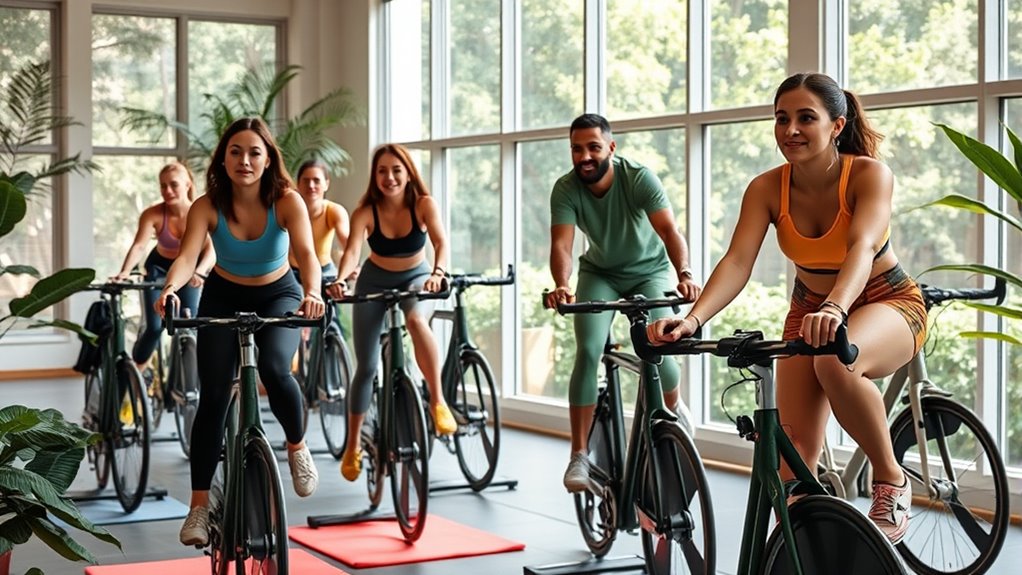
Cycling and stationary biking offer effective low-impact workouts that improve cardiovascular health without stressing your joints. These exercises boost your endurance and strengthen leg muscles, making them ideal for joint-sensitive individuals. Cycling benefits include improved heart health, enhanced stamina, and reduced injury risk. When using stationary bikes, safety is key—adjust the seat properly, maintain good posture, and start slowly to prevent strain. Incorporate these activities into your routine a few times weekly for ideal results. They’re versatile, accessible, and easy on your joints, making them perfect for staying active without pain. Whether outdoors on a bike or indoors on a stationary model, you’ll enjoy a safe, effective workout that keeps you fit and healthy.
| Cycling Benefits | Stationary Biking Safety |
|---|---|
| Boosts cardiovascular health | Adjust seat height for comfort |
| Strengthens leg muscles | Use proper pedal technique |
| Low-impact exercise | Warm-up and cool down |
| Enhances stamina | Avoid overexertion |
| Promotes overall fitness | Keep handlebars steady |
Yoga for Flexibility and Strength
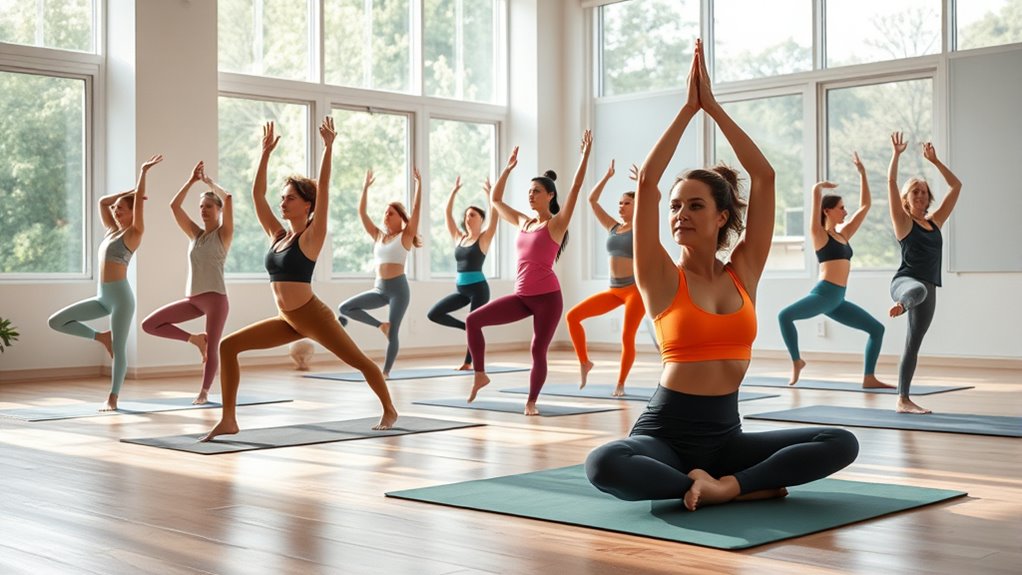
Building on the benefits of low-impact exercise, yoga is an excellent choice to enhance flexibility and strength without putting stress on your joints. By practicing mindful stretching, you improve your range of motion while protecting sensitive areas. Incorporating breathing techniques helps you stay focused and relaxed, deepening each pose’s benefits. Yoga encourages you to listen to your body and move at your own pace, reducing the risk of strain. To get started, try:
- Gentle stretches that target tight muscles
- Controlled breathing to enhance relaxation
- Consistent practice to build strength gradually
These elements make yoga a safe, effective way to boost your flexibility and muscular endurance without risking joint pain or injury. You’ll notice improved posture, reduced stiffness, and a greater sense of well-being.
Pilates for Core Stability
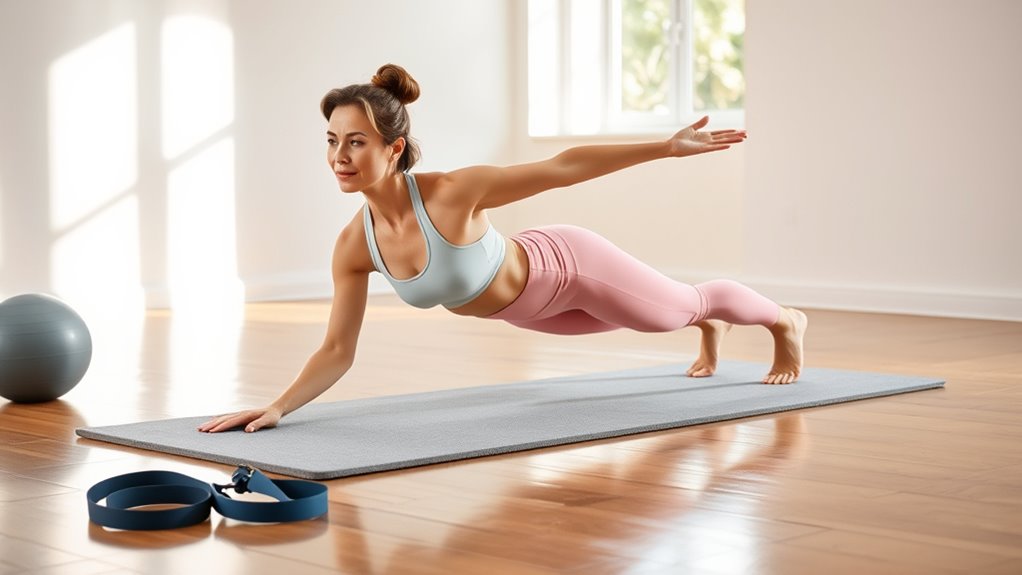
Have you ever wondered how to strengthen your core without putting stress on your back or joints? Pilates is perfect for this, focusing on precise movements that promote core engagement and improve posture alignment. By targeting deep abdominal muscles, you can build a strong, stable core without high-impact strain. Pilates exercises emphasize controlled movements, helping you develop better posture and reduce joint stress. As you perform each exercise, focus on engaging your core muscles and maintaining proper alignment. This approach not only enhances stability but also supports overall body balance. With regular practice, you’ll notice improved posture, less joint discomfort, and a stronger core—all achieved through gentle, low-impact techniques that keep you safe and effective.
Chair Exercises for All Ages
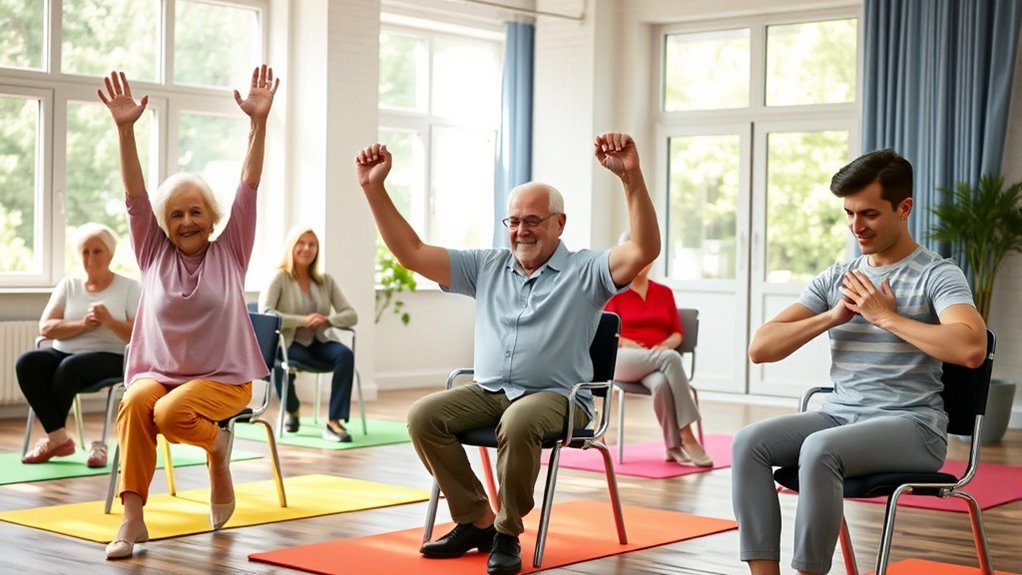
Since they can be performed comfortably from a seated position, chair exercises are an excellent option for people of all ages and fitness levels. They help improve flexibility, strength, and balance without putting stress on your joints. You can easily incorporate seated stretching or chair yoga into your daily routine for added benefits. These exercises are simple, safe, and adaptable to your ability level.
Chair exercises are safe, simple, and perfect for all ages to improve flexibility, strength, and balance.
Here are some ways to enjoy chair exercises:
- Practice seated stretching to loosen tight muscles
- Try chair yoga poses to enhance flexibility and relaxation
- Incorporate gentle arm and leg movements for strength
Whether you’re at home or in the office, chair exercises make staying active accessible and enjoyable for everyone.
Incorporating Low-Impact Workouts Into Your Routine

Incorporating low-impact workouts into your routine is a practical way to stay active without putting excessive stress on your joints. Start by choosing activities like swimming, cycling, or brisk walking, which are considered low impact sports. Wearing joint friendly footwear can help reduce strain and improve comfort during these exercises. Schedule regular sessions, gradually increasing intensity to avoid injury. Mix in strength training and flexibility exercises to complement your cardio. You can also explore classes or online videos designed specifically for low-impact workouts, making it easier to stay consistent. Remember, consistency is key, so find activities you enjoy and fit into your daily routine. With the right gear and approach, you’ll protect your joints while maintaining your fitness goals.
Frequently Asked Questions
Can Low-Impact Exercises Help With Weight Loss Effectively?
Yes, low-impact exercises can help with weight loss effectively. They boost calorie burning without stressing your joints, making workouts more sustainable. These activities also provide a metabolic boost, helping you burn calories more efficiently even after you’re done exercising. By maintaining consistency with low-impact workouts, you can achieve your weight loss goals while keeping your joints healthy and minimizing injury risk.
Are There Specific Injuries That Low-Impact Workouts Can Prevent?
Yes, low-impact workouts can help prevent injuries like ligament tears and joint instability. By reducing stress on your joints, these exercises improve joint stability and strengthen surrounding muscles, which lowers the risk of ligament injuries. You’re less likely to strain or hyperextend your joints during activities, making low-impact workouts a smart choice for injury prevention, especially if you’re recovering from or prone to joint issues.
How Often Should I Do Low-Impact Exercises for Best Results?
Oh, sure, you can do low-impact exercises every day and still see results. For ideal workout duration, aim for at least 150 minutes of moderate activity weekly, spread across most days. Exercise frequency depends on your goals, but consistency beats intensity here. So, don’t overthink it—just stay active regularly, and your joints will thank you for choosing gentle, effective workouts over strenuous ones.
Can Seniors Safely Start Low-Impact Workouts Without Prior Experience?
Yes, seniors can safely start low-impact workouts without prior experience. These exercises promote joint safety and help build beginner confidence, making it easier to stay active. Begin with gentle routines like walking or chair exercises, and gradually increase intensity. Always listen to your body and consult a healthcare professional if needed. Consistency and patience are key to developing confidence and ensuring a safe, enjoyable fitness journey.
What Equipment Is Essential for Low-Impact Exercise Routines?
You only need a few key pieces of equipment for effective low-impact exercises. Resistance bands are versatile for strength training, while stability balls help improve balance and core stability. Both are lightweight, affordable, and easy to store, making them perfect for home workouts. With these essentials, you can perform a variety of gentle, joint-friendly movements that boost your fitness safely and comfortably.
Conclusion
Incorporating low-impact workouts into your routine is like planting seeds for a healthier future—you’ll see steady growth with less strain. Whether you choose walking, swimming, or yoga, these exercises help you stay fit without pounding your joints. Stick with them consistently, and you’ll enjoy increased strength, flexibility, and energy. Remember, it’s about progress, not perfection, so find what you love and make it part of your lifestyle. Your body will thank you for it.